The AMX Mouse (originally marketed as a core component of the AMX Desktop System) was the most revolutionary, influential, and commercially successful pointing input peripheral in the history of the Amstrad PCW 8256 / 8512 (and the subsequent Schneider Joyce series in the German market). Launched in mid-1986 at a bundle price of £69.95 and developed by the prestigious British engineering firm Advanced Memory Systems (AMS) Ltd., this three-button optomechanical hardware disrupted the rigid paradigm of a purely keyboard-driven office computer, transforming the PCW into an interactive graphical workstation suitable for artistic drawing and advanced desktop publishing (DTP).
At the physical hardware level, the mouse did not utilize a standard serial connection. Instead, the package included the AMX Interface, a dedicated external expansion bus controller module that plugged directly into the rear edge connector slot of the computer's mainboard. Advanced Memory Systems designed the hardware to be completely pass-through: the interface housing replicated the electric signal lines of the expansion bus via an integrated rear connector to preserve the native Amstrad dot-matrix printer capabilities. Concurrently, it injected a standard Centronics parallel port (enabling links to third-party Epson dot-matrix or early professional laser printers) and an Atari-standard DE-9 9-pin joystick port directly into the PCW layout.
Regarding the technical low-level register architecture of the 8-bit Z80 microprocessor, the AMX interface protocol stands out for its synchronous simplicity. The expansion board did not integrate an intelligent processing chip; instead, it dumped the mechanical switch states and optical counters directly onto specific Input/Output base addresses (I/O Ports):
- Button and Joystick Control Port (0A0h / &HA0): The digital lines of the alternative Atari joystick and the three mechanical mouse switches were intercepted by sharing this port under active-low logic (a binary 0 logic state flags an active contact to ground or a switch depression):
- Bit 7: Mouse Left Button state (returns a 0 value when pressed).
- Bit 6: Mouse Middle Button state (returns a 0 value when pressed).
- Bit 5: Mouse Right Button state (returns a 0 value when pressed).
- Bit 4: Up Direction / Fire Button of the alternative Atari-specification joystick.
- Bit 3: Down Direction of the alternative Atari-specification joystick.
- Bit 2: Left Direction of the alternative Atari-specification joystick.
- Bit 1: Right Direction of the alternative Atari-specification joystick.
- Bit 0: Complementary timing synchronization line for ground pulses.
- [[https://es.wikipedia.org/wiki/AMX_Mouse|AMX Mouse en Wikipedia]]
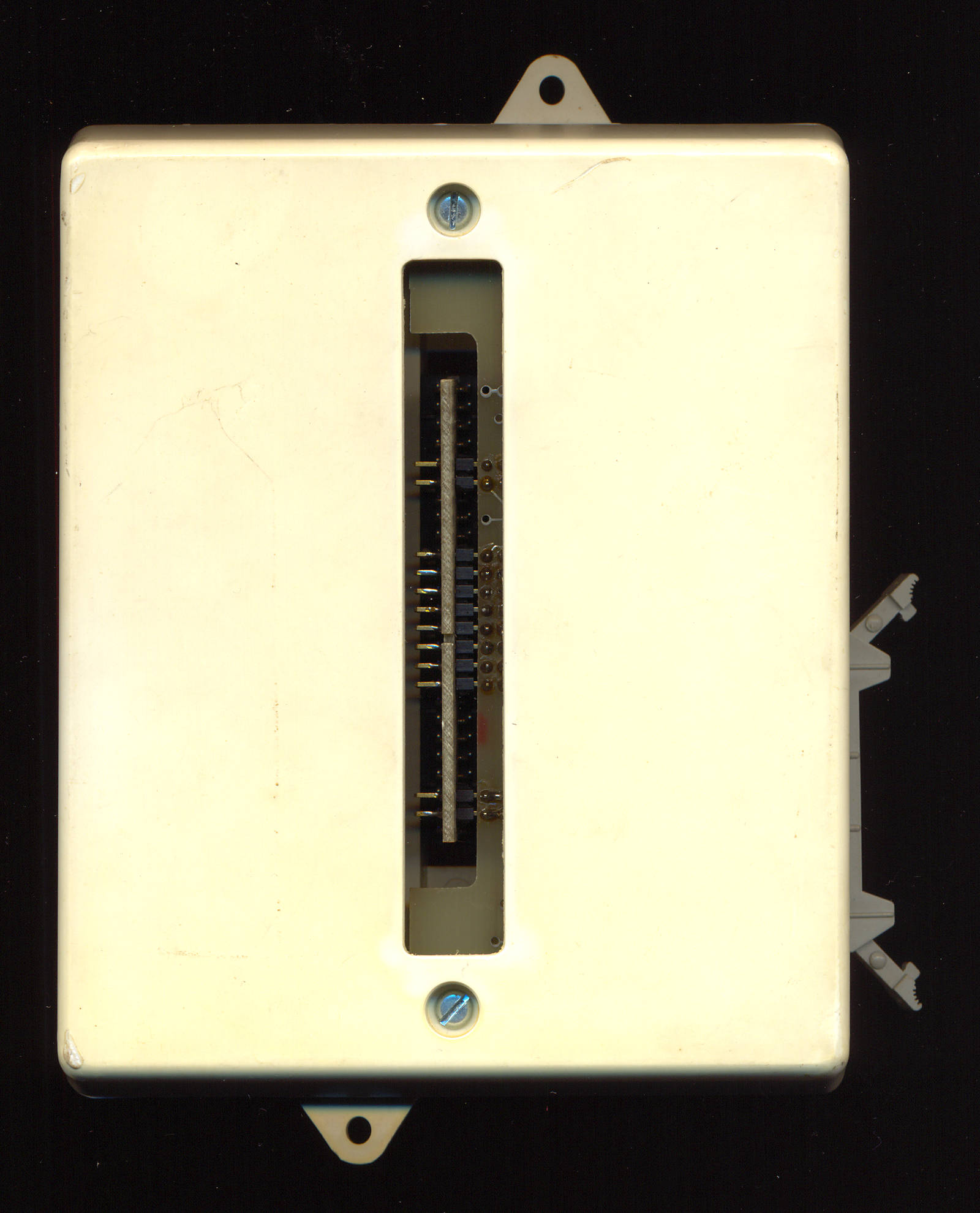 Frontal
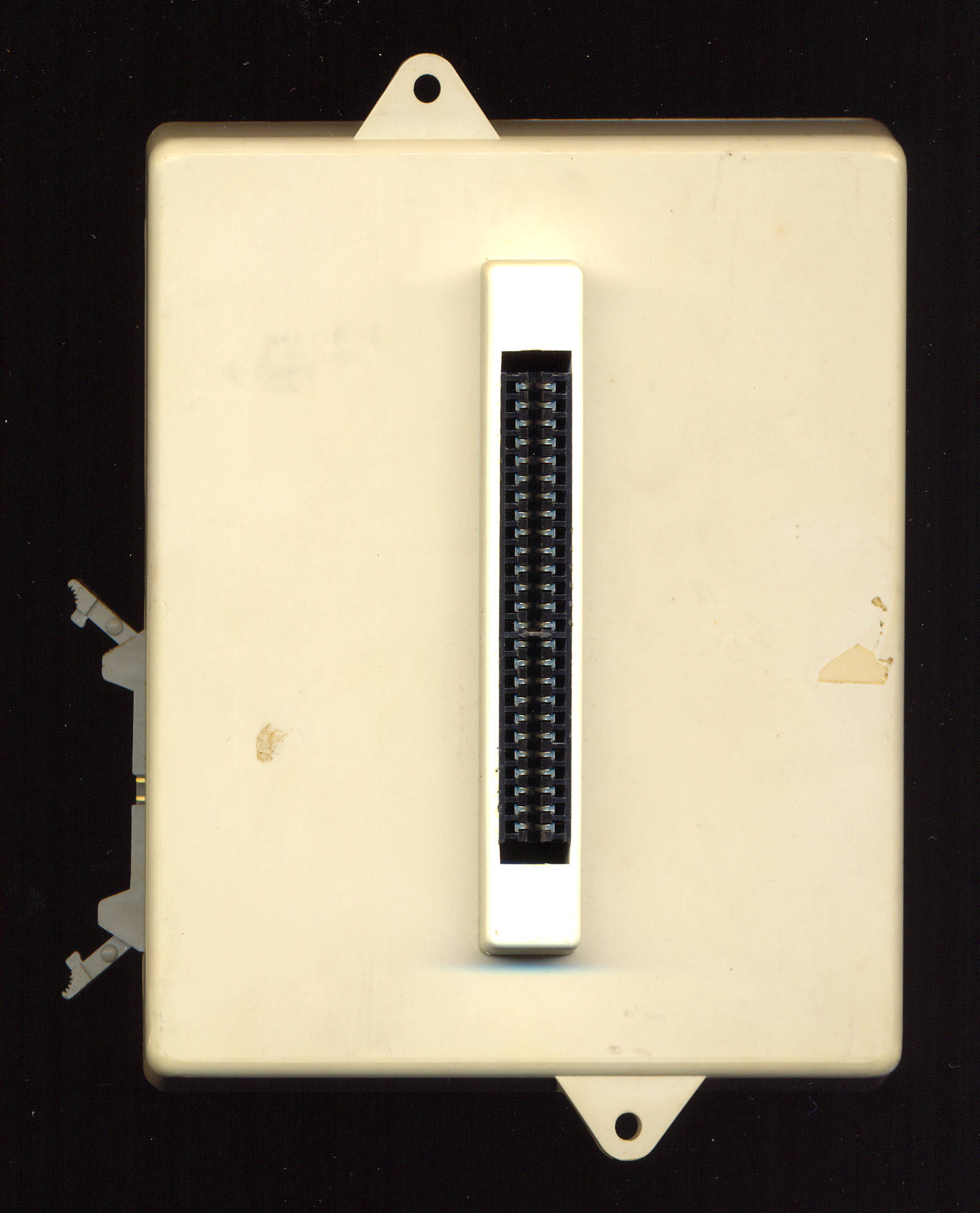 Rear
Rear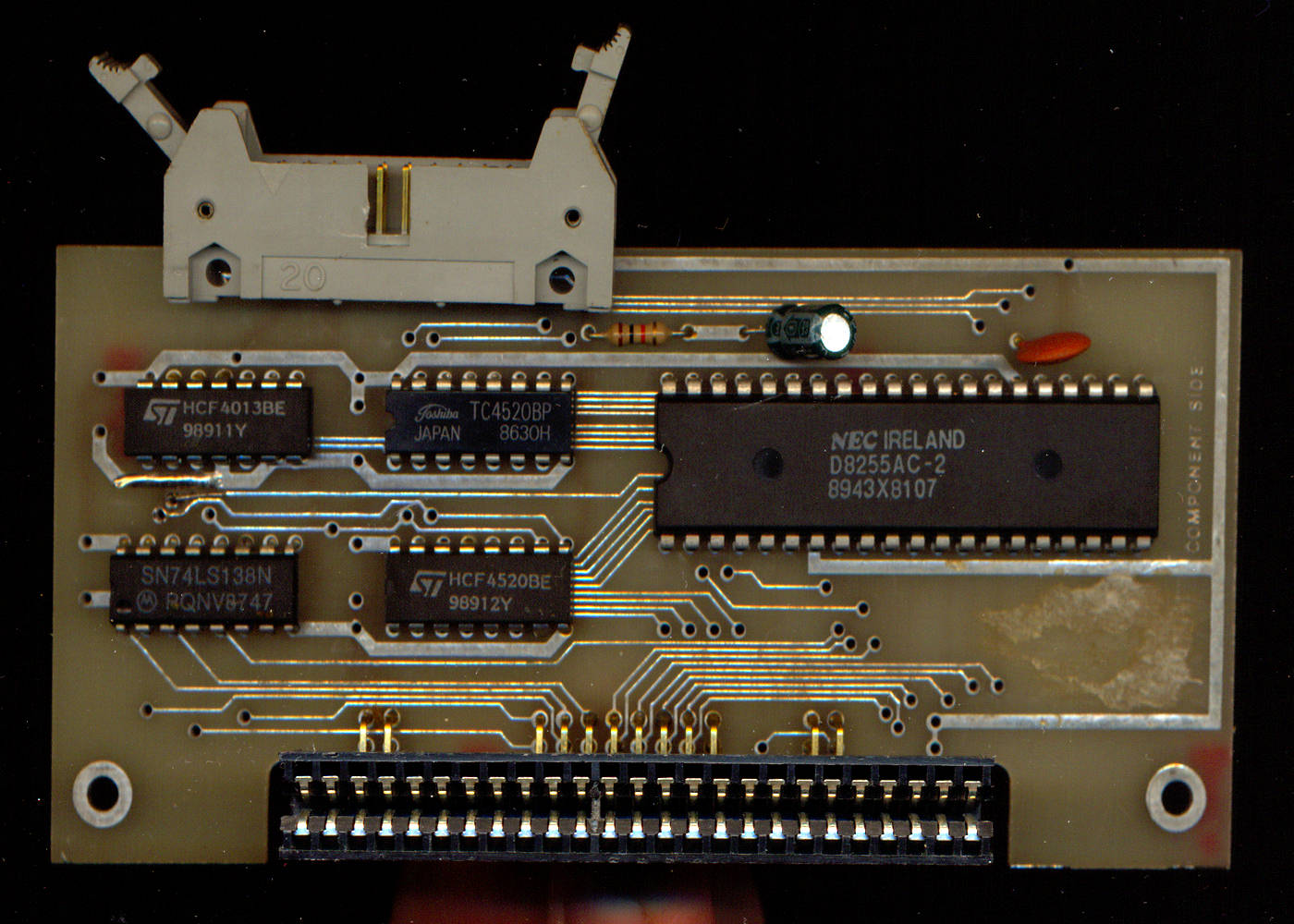 PCB Components
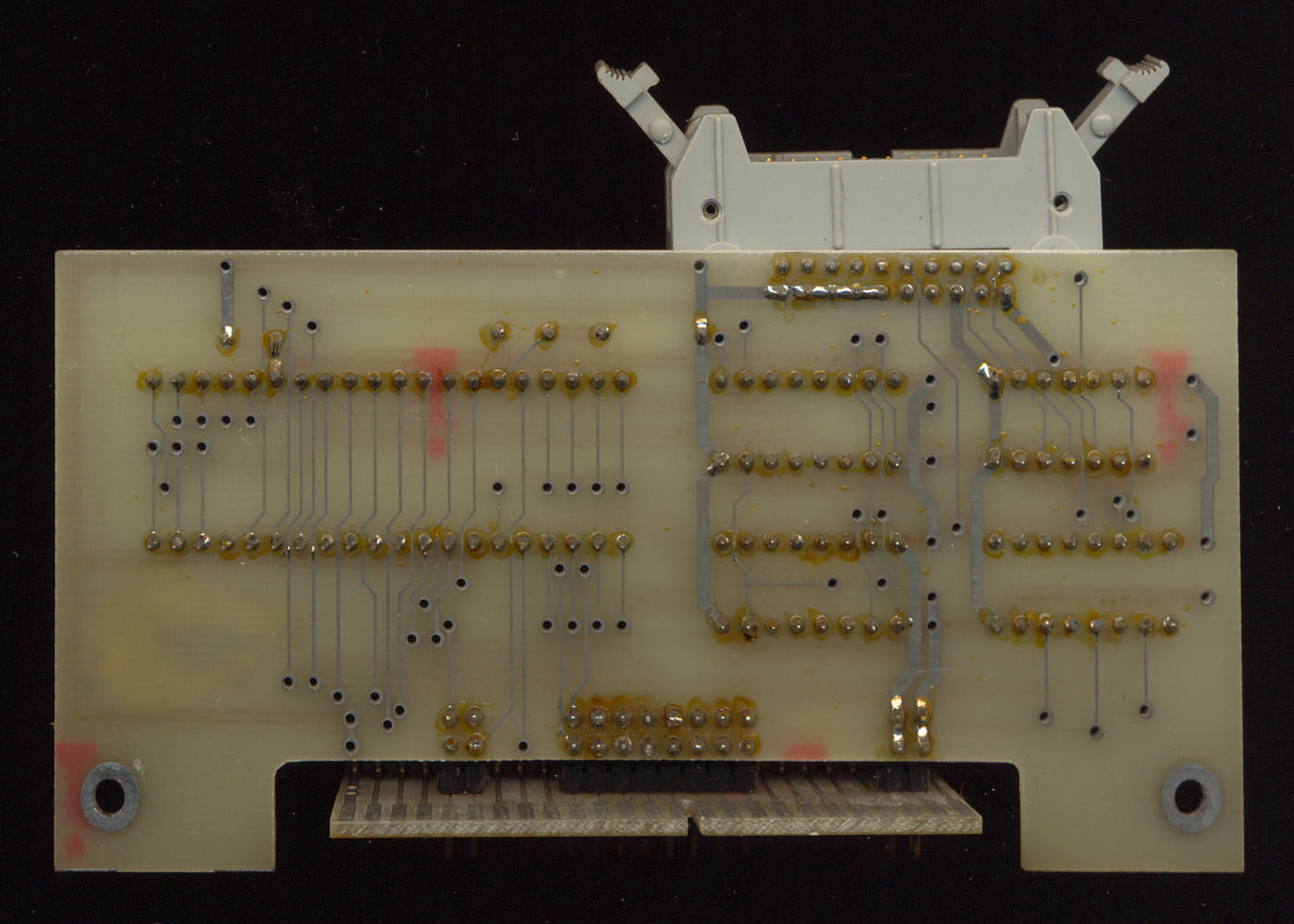 PCB Solder Tracks
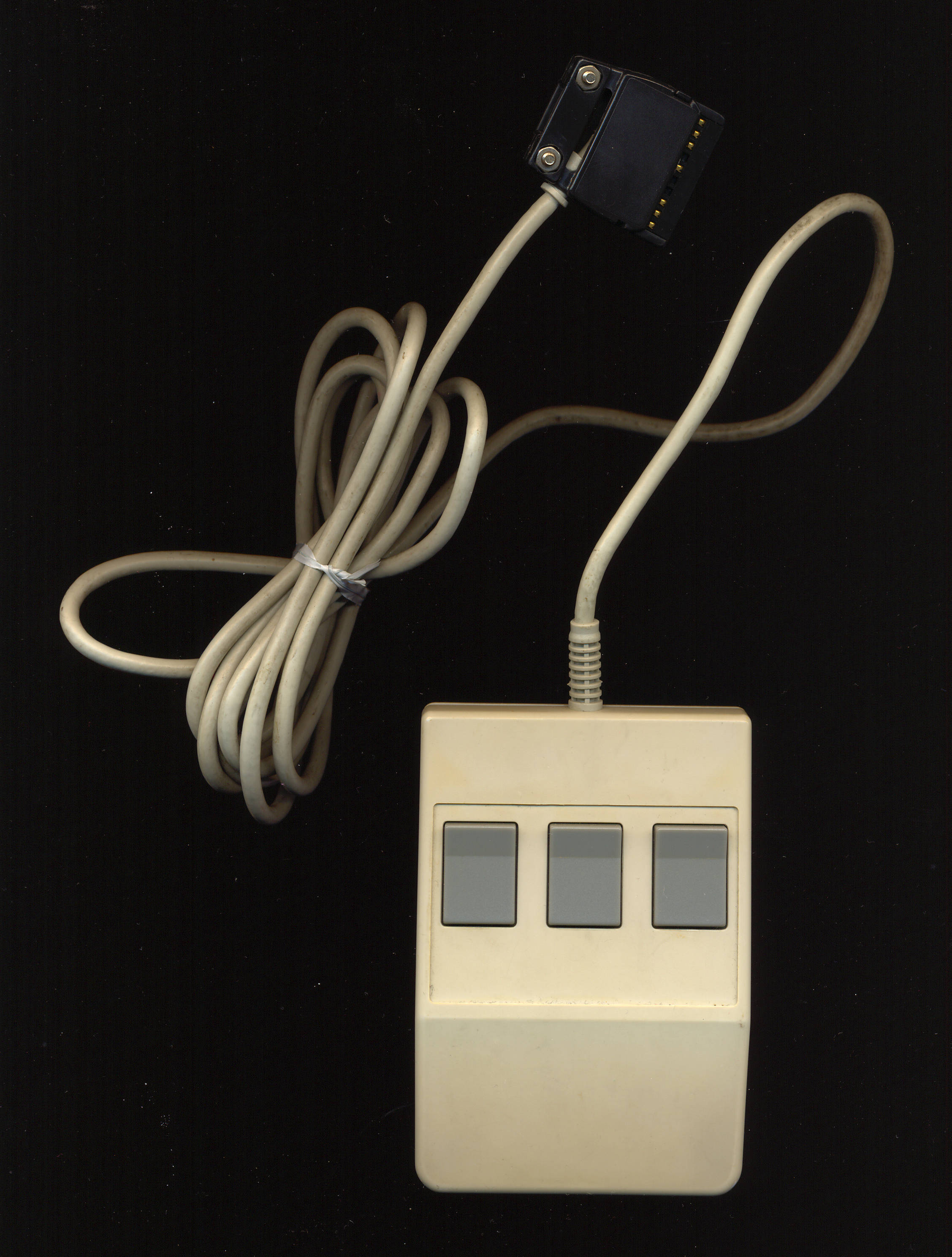 Top Casing
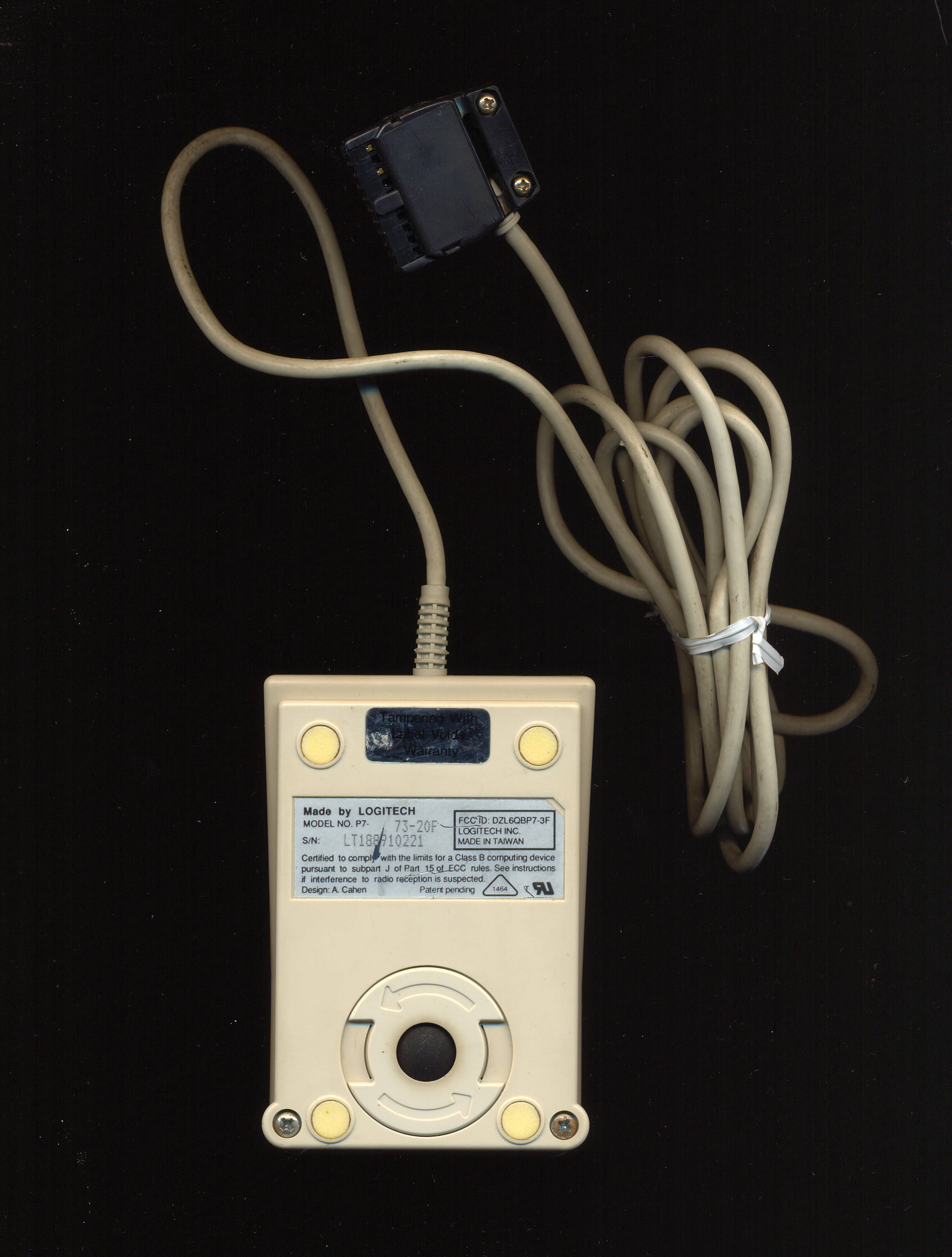 Bottom Casing
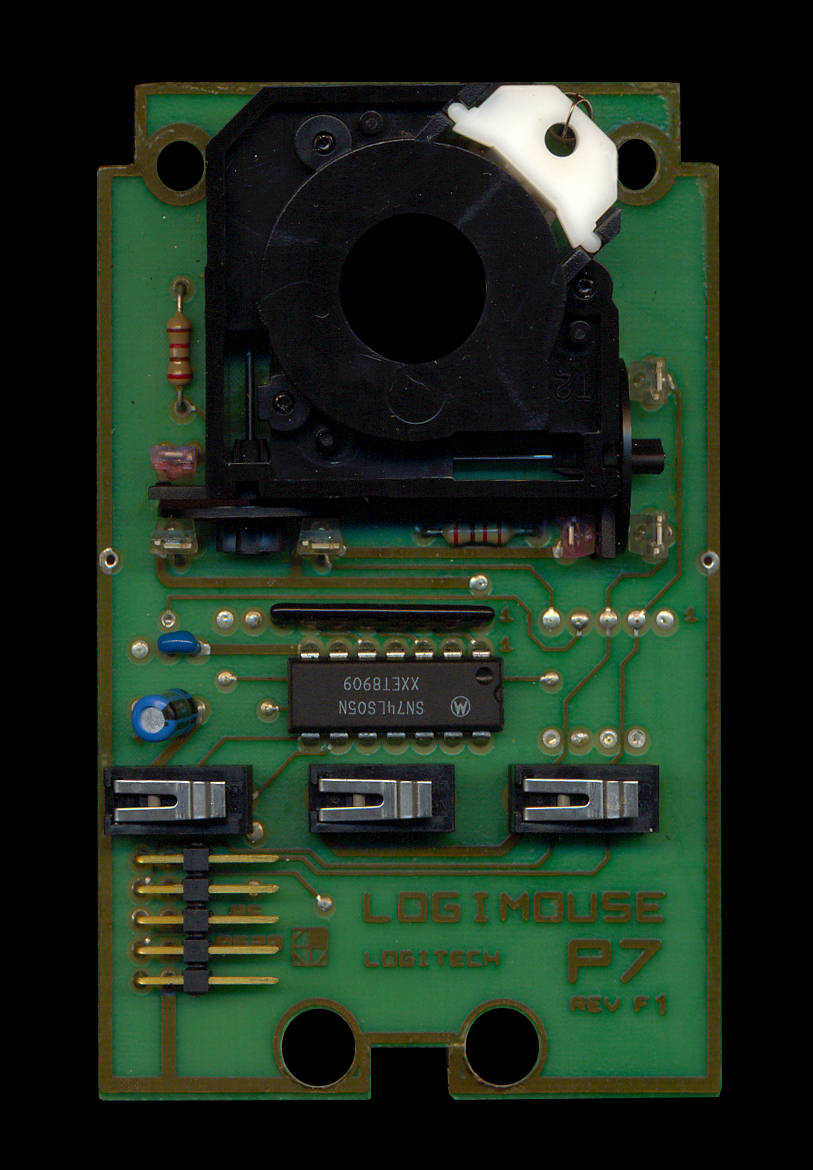 PCB Top View
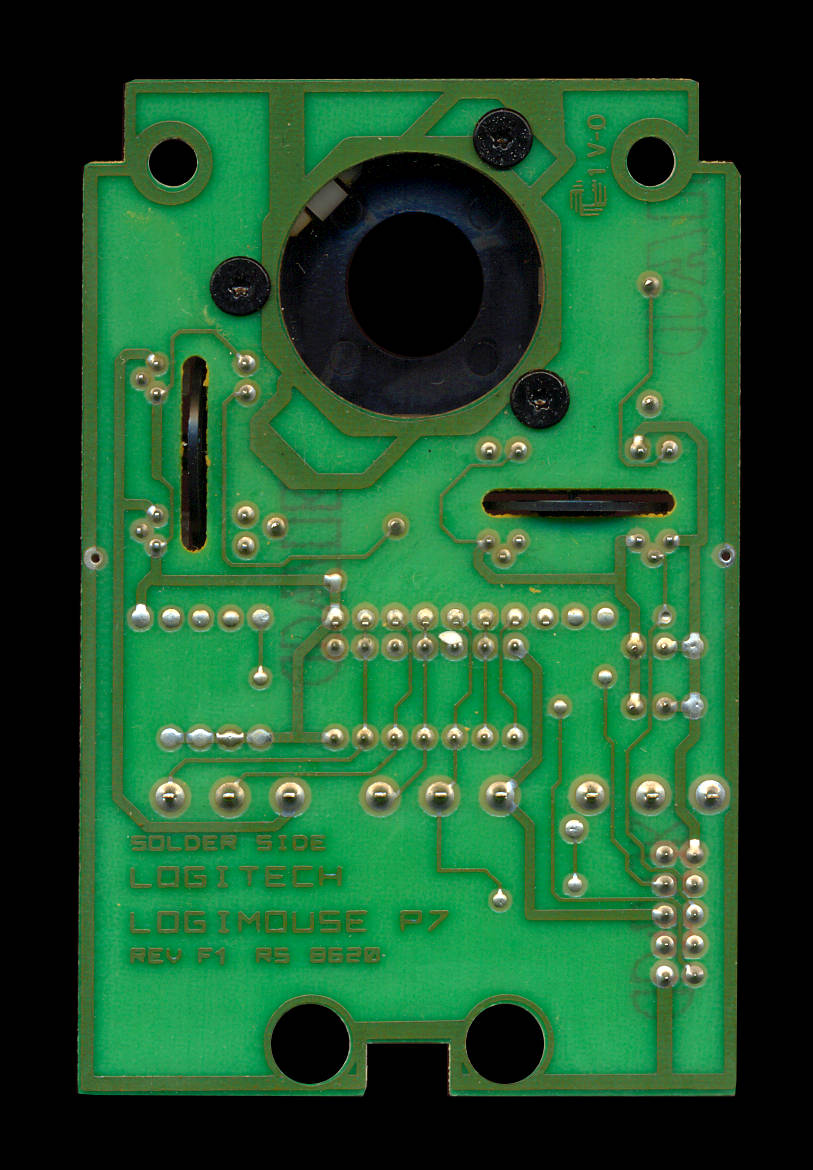 PCB Bottom View
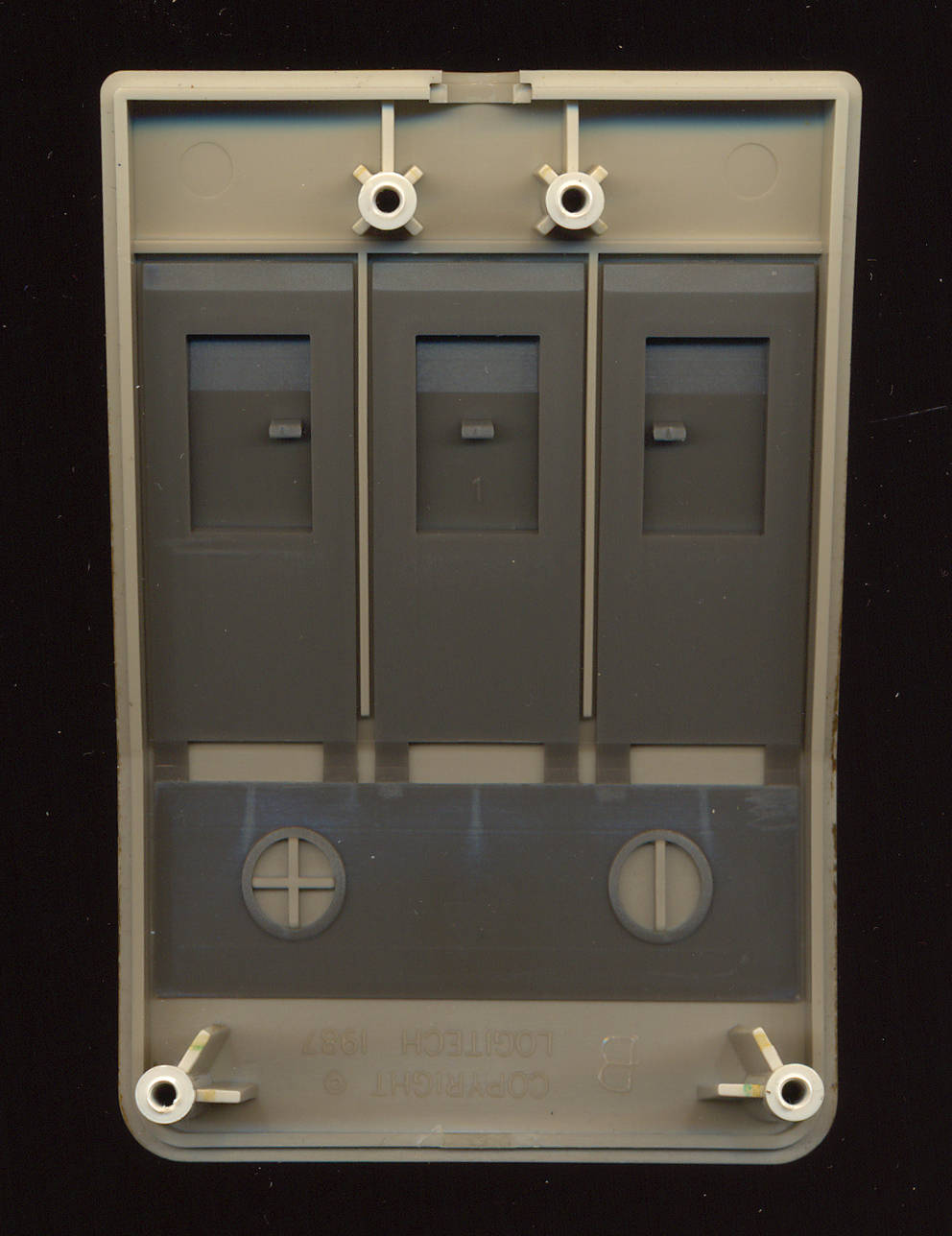 Inner Top Assembly
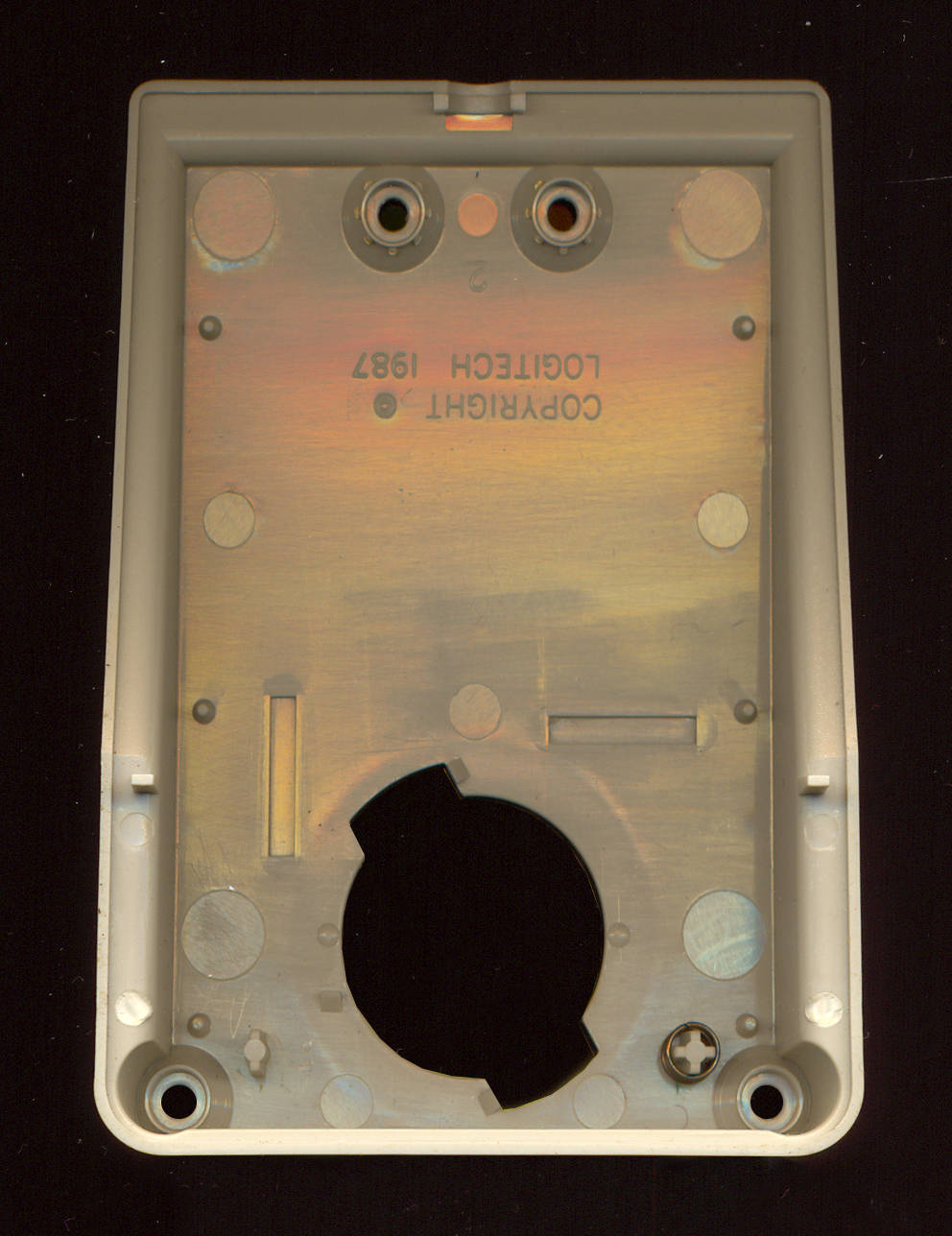 Inner Bottom Assembly