The CT Scanner by [[..:..:companias:Cirtech|Cirtech]] is an image capture device that connects to an interface fitted onto the PCW expansion port.
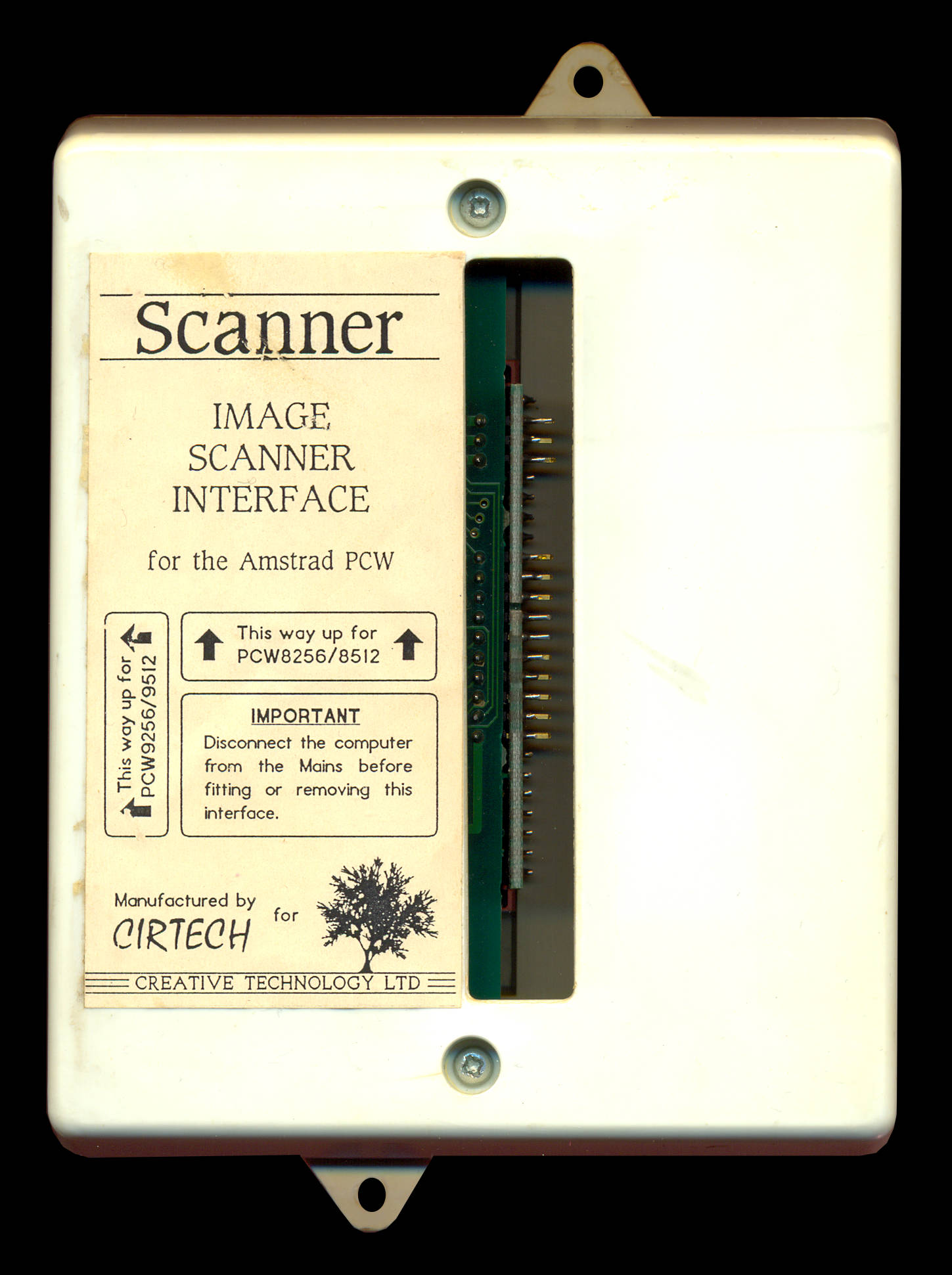
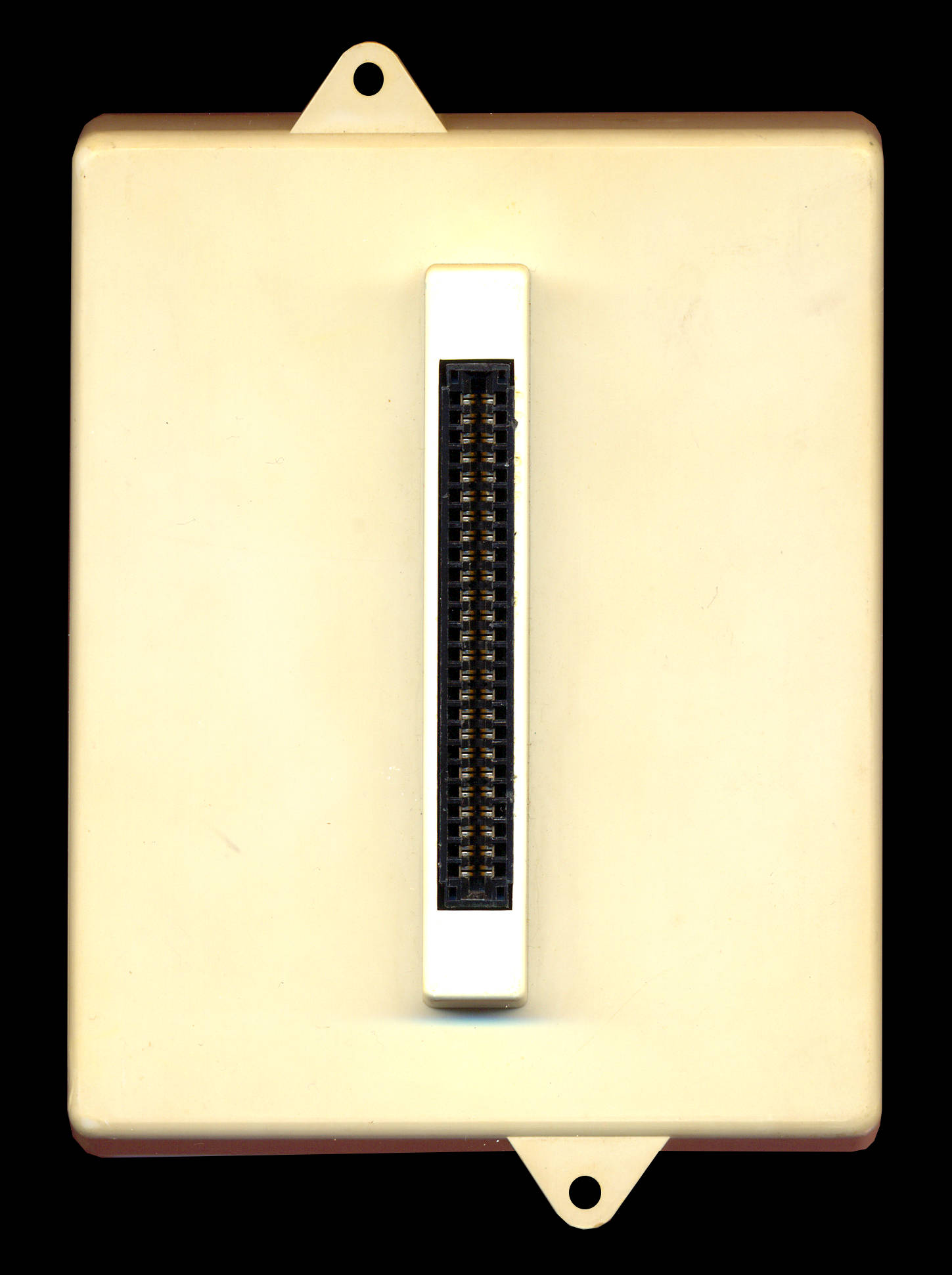
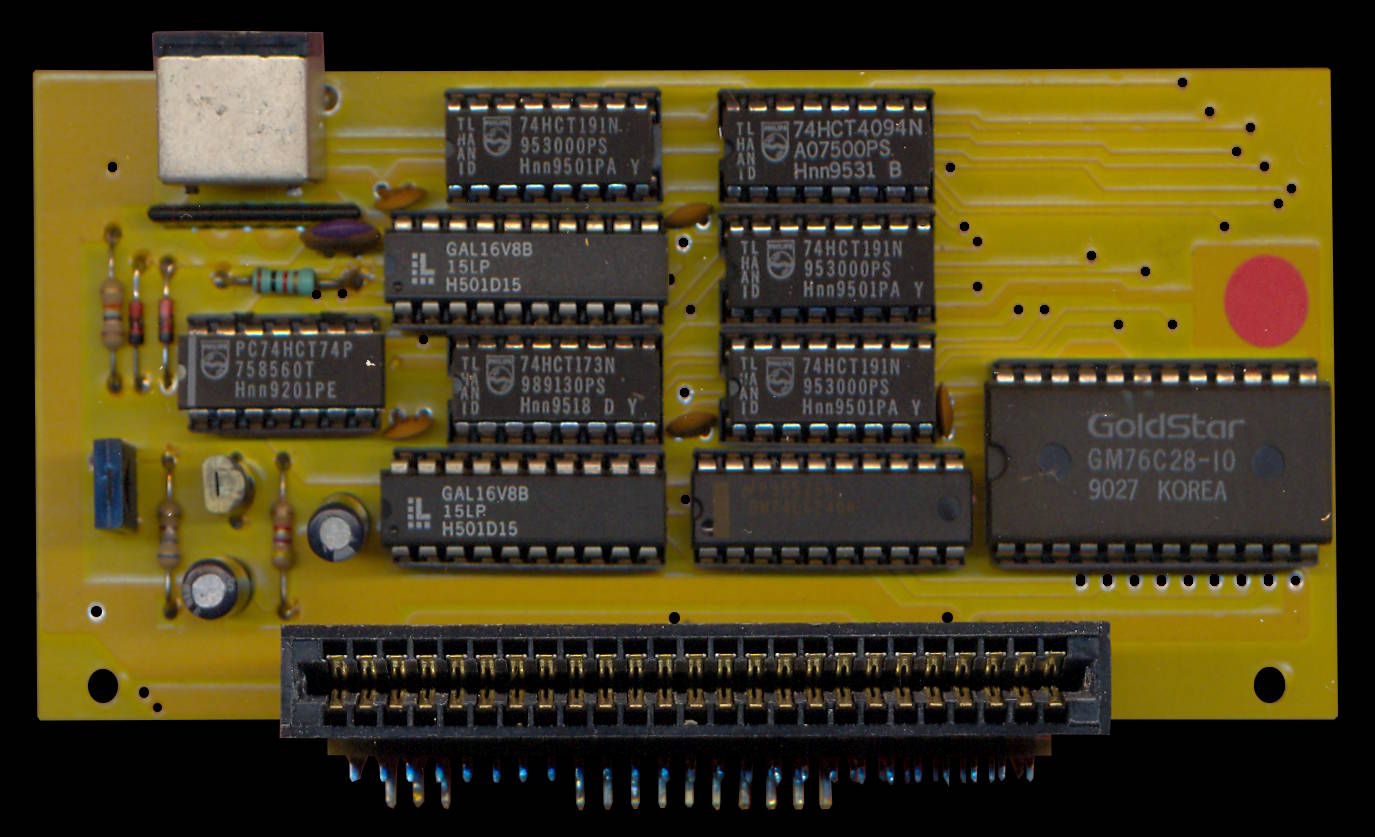
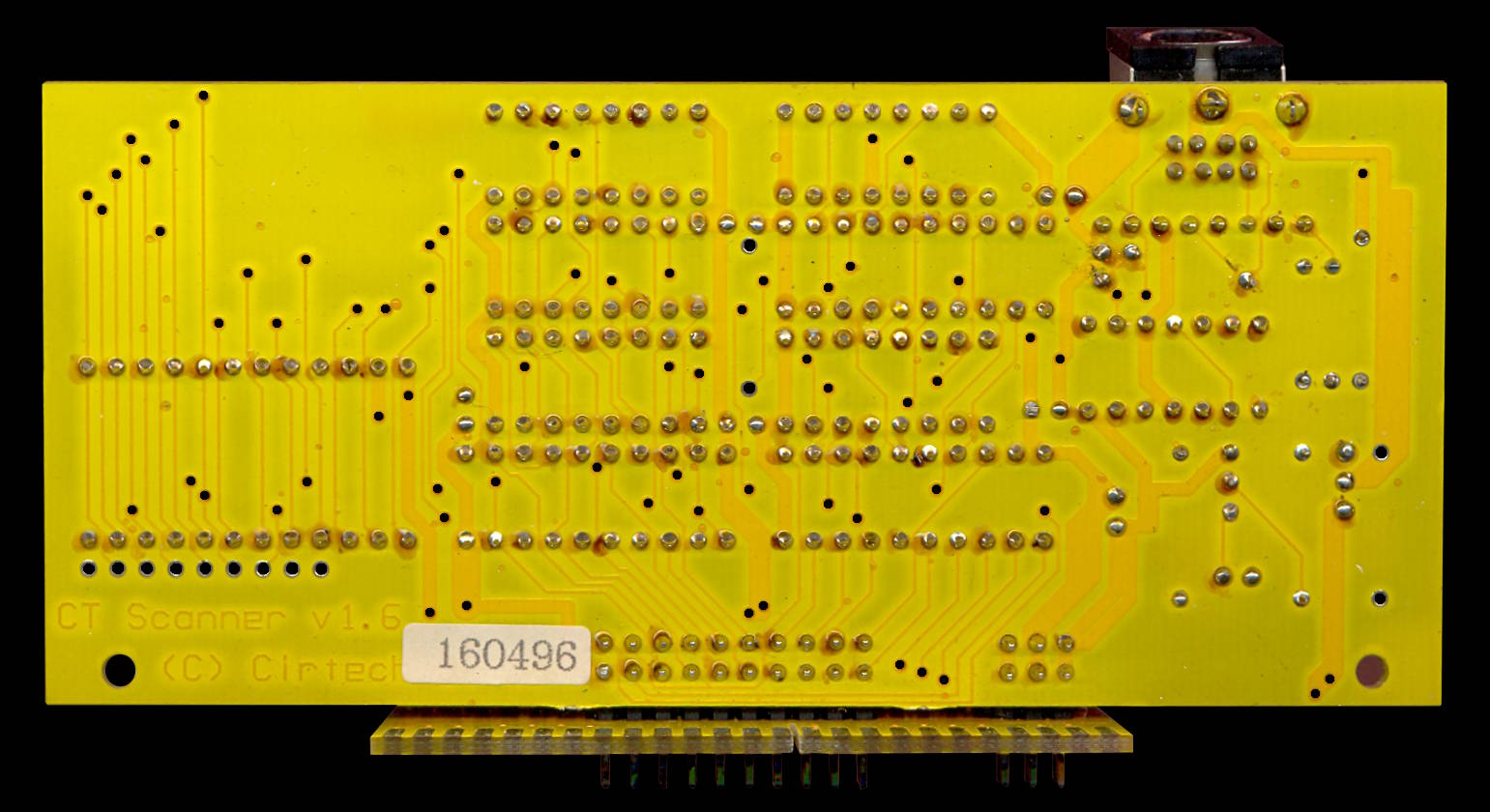
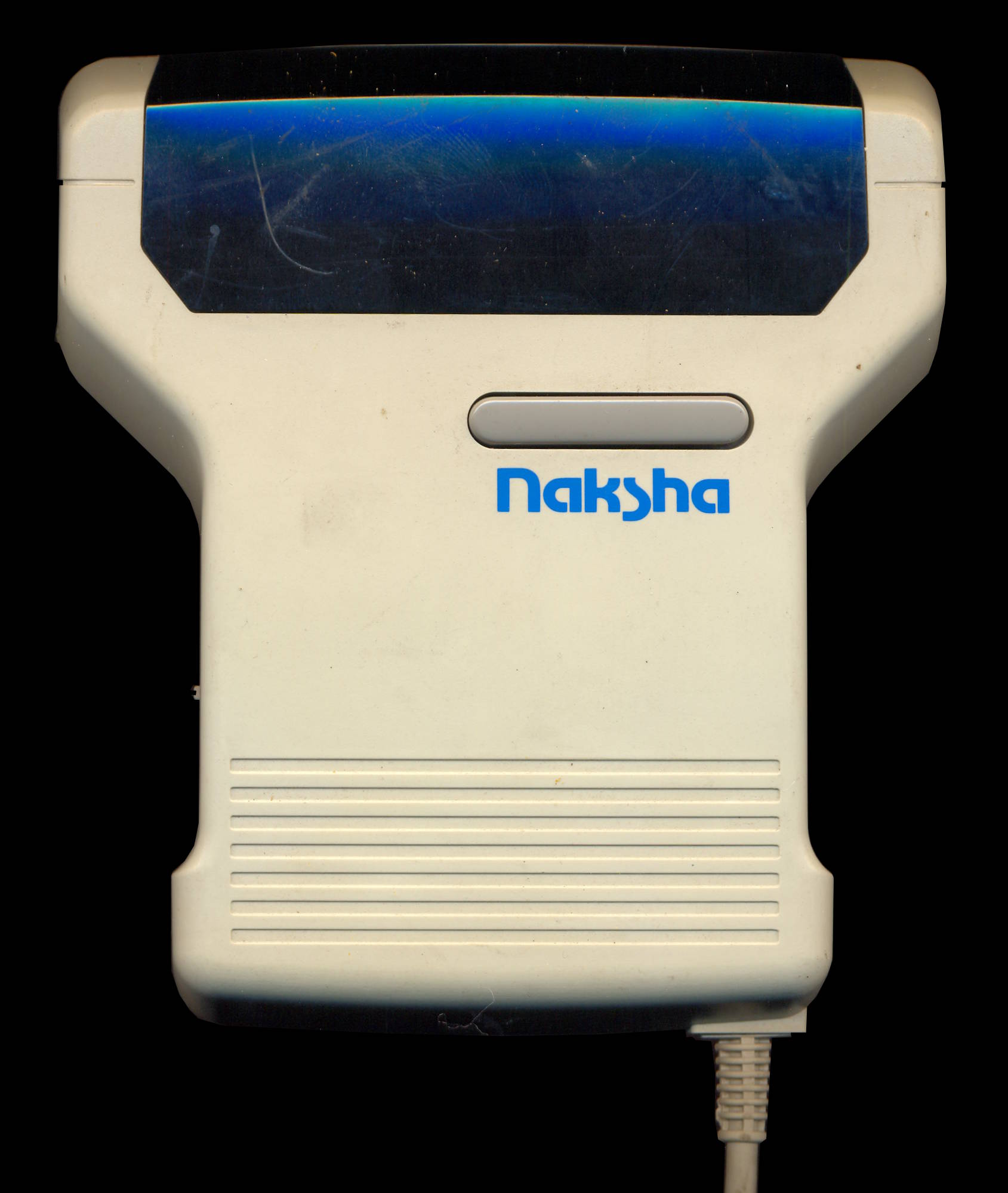
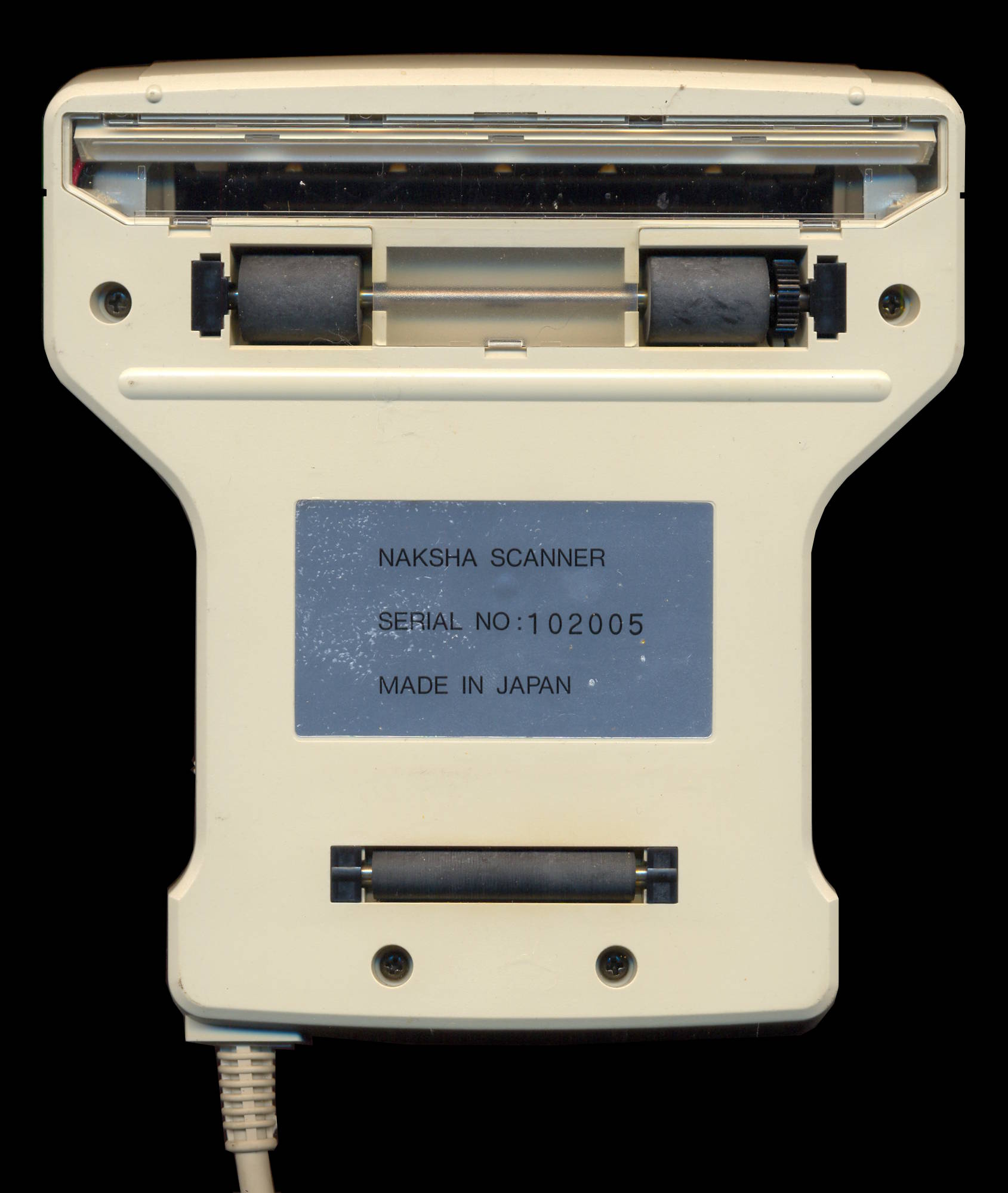
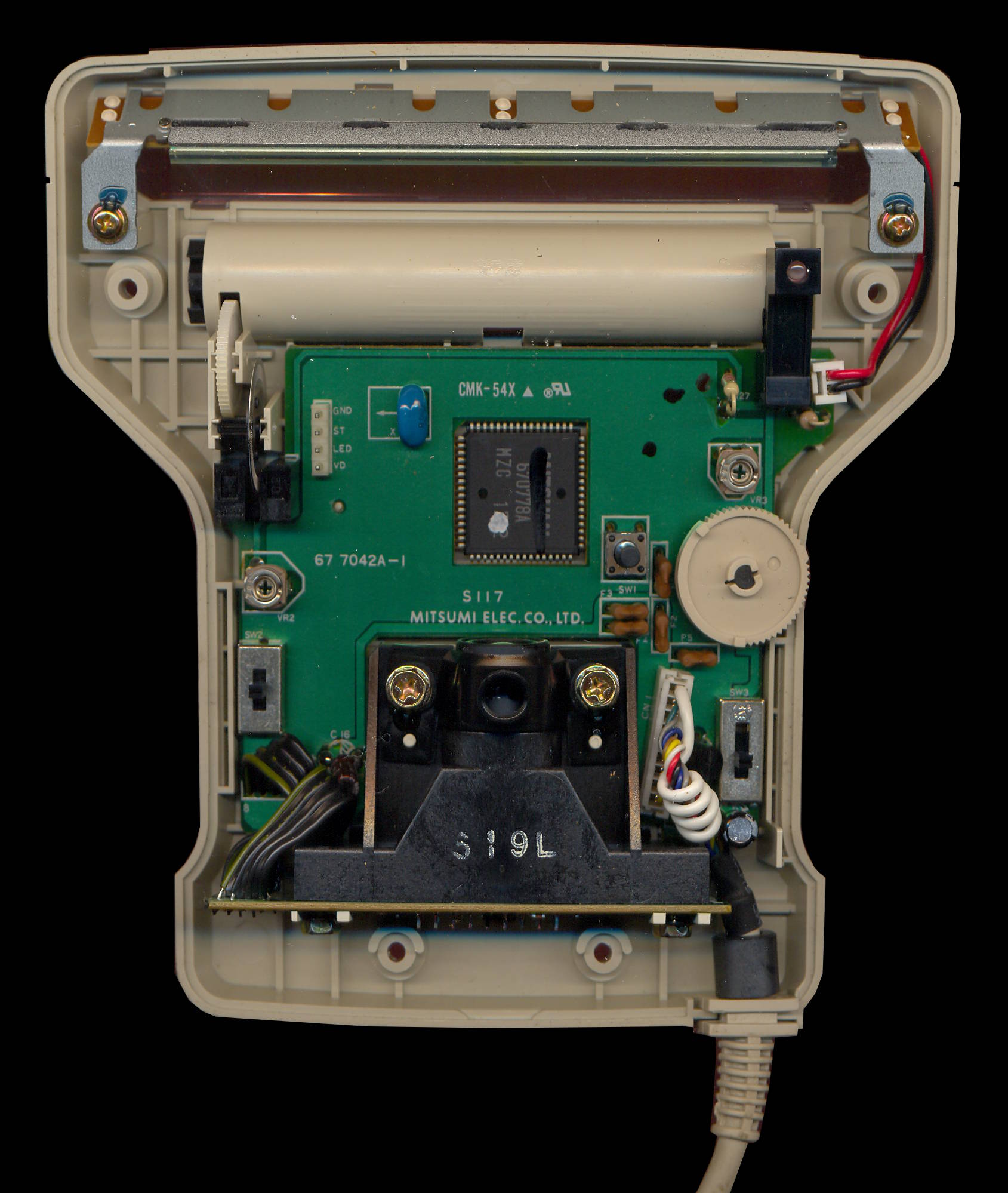
The CT Scanner by [[..:..:companias:Cirtech|Cirtech]] is an image capture device that connects to an interface fitted onto the PCW expansion port.
Interface TopInterface BottomInterface PCB TopInterface PCB BottomScanner TopScanner BottomScanner PCBDesigned, manufactured, and marketed in the United Kingdom starting in **1987** by the renowned Scottish firm **Cirtech** (led by engineer Ian Leyland), the CT Scanner (with hardware revision v1.6 established as the mature production standard) represents one of the most brilliant and highly sought-after peripheral engineering solutions in the Amstrad PCW ecosystem. In an era when traditional flatbed desktop scanners commanded prohibitive prices that easily doubled the cost of the computer itself, Cirtech developed a hybrid hardware kit capable of transforming the Amstrad PCW's native dot-matrix printer (8000 series models) into a high-resolution optical image digitizer.
Unlike independent capture devices, the CT Scanner lacked its own motors to move the optical sensor. Instead, the system relied entirely on reusing the precision servomechanisms already built into the stock Amstrad printer. The user removed the ink ribbon cartridge from the printer and, in its place, clipped a small optical reading head fitted with a reflective photodetector capsule.
Upon feeding the document or image into the platen roller and launching the dedicated software supplied by Cirtech, the computer sent bursts of "transparent" print commands. These commands forced the printer carriage to perform continuous horizontal sweeps (X-Axis) and synchronous roller micro-advances (Y-Axis). Simultaneously, the optical head projected a beam of light onto the paper and measured the bounced light intensity, digitizing the document line by line in a purely mechanical fashion.
The internal printed circuit board (PCB) of the modular interface in its v1.6 revision demonstrates Cirtech's high industrial manufacturing standards, utilizing discrete filtering components and optimized logic chips for real-time analog signal acquisition:
For direct communication with the Amstrad PCW's Zilog Z80 CPU, the Cirtech interface's PAL logic matrix decodes a specific port range on the upper hardware bus. This allows the software to pull digitized brightness data from the ADC in real time:
IN A, (C)) targeted at the address mapped by the Cirtech PAL forces the ADC to instantly dump the binary brightness state of the pixel currently pointed to by the optical reading head.The commercial kit was supplied with a 3-inch floppy disk containing advanced utility software engineered exclusively for the PCW's CP/M Plus operating system environment: