The Rampac from [[en:companias:SCA Systems|SCA Systems]] is a 512 KB RAM memory expansion that additionally features an RS232 serial port in some specific models.
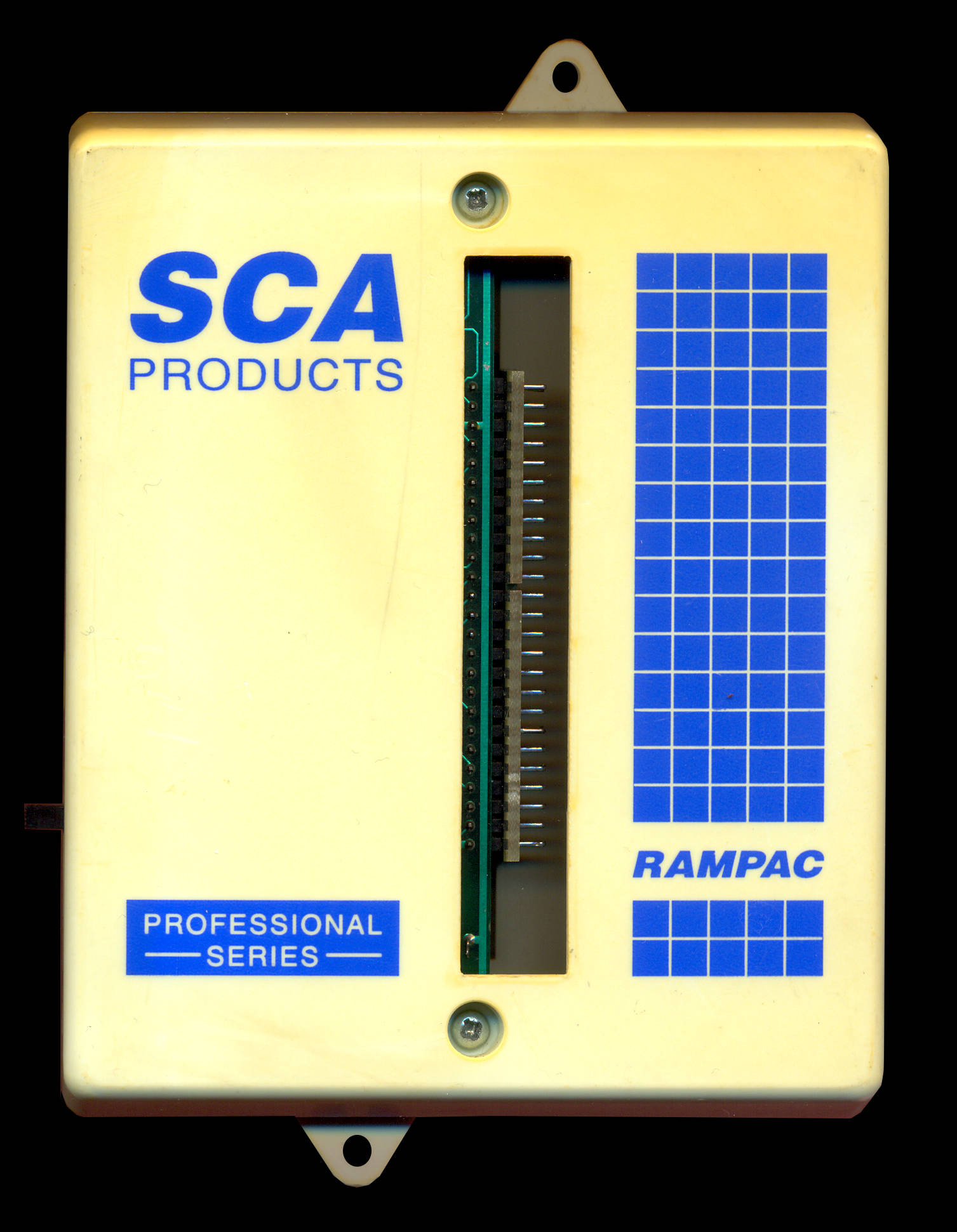
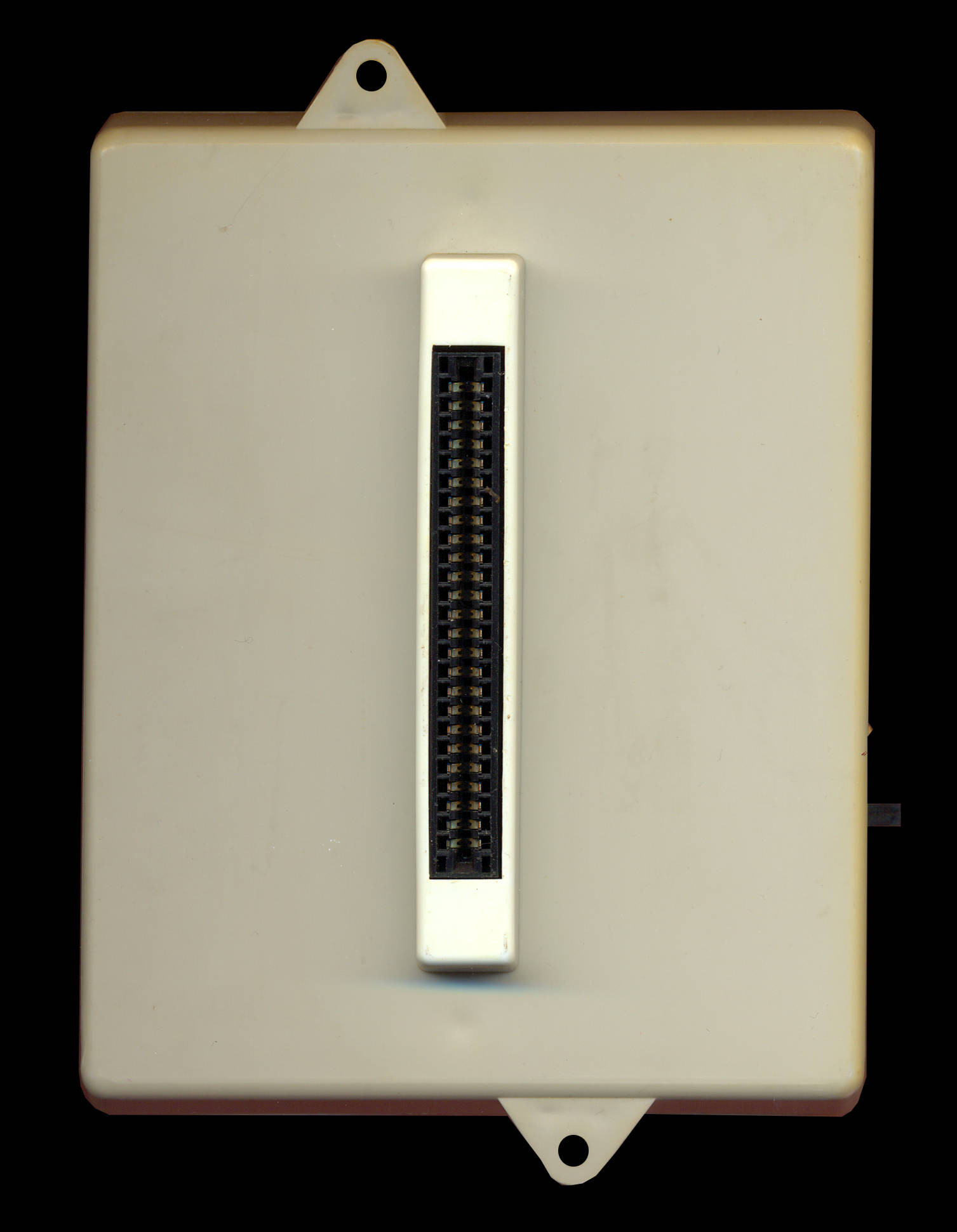
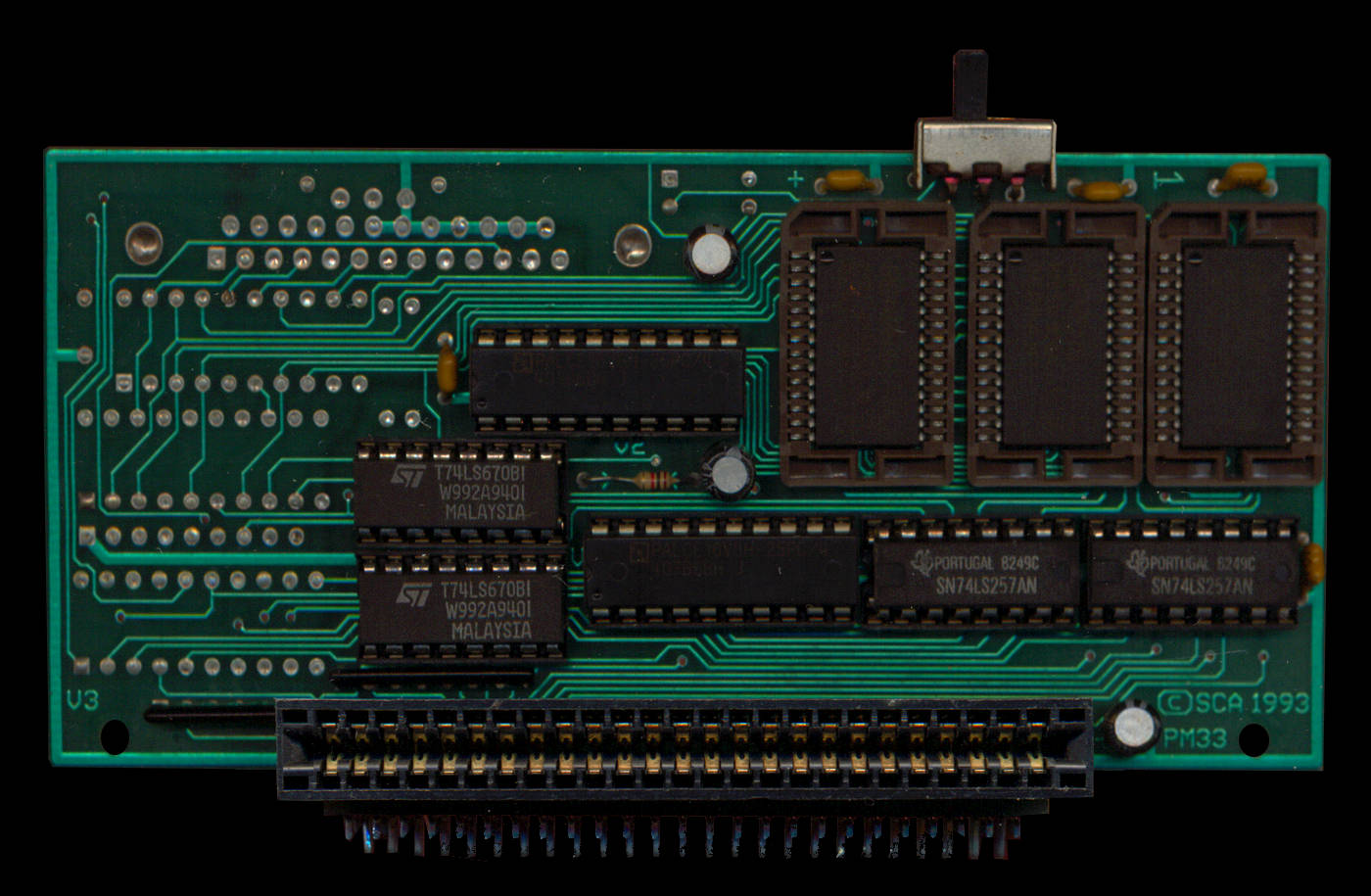
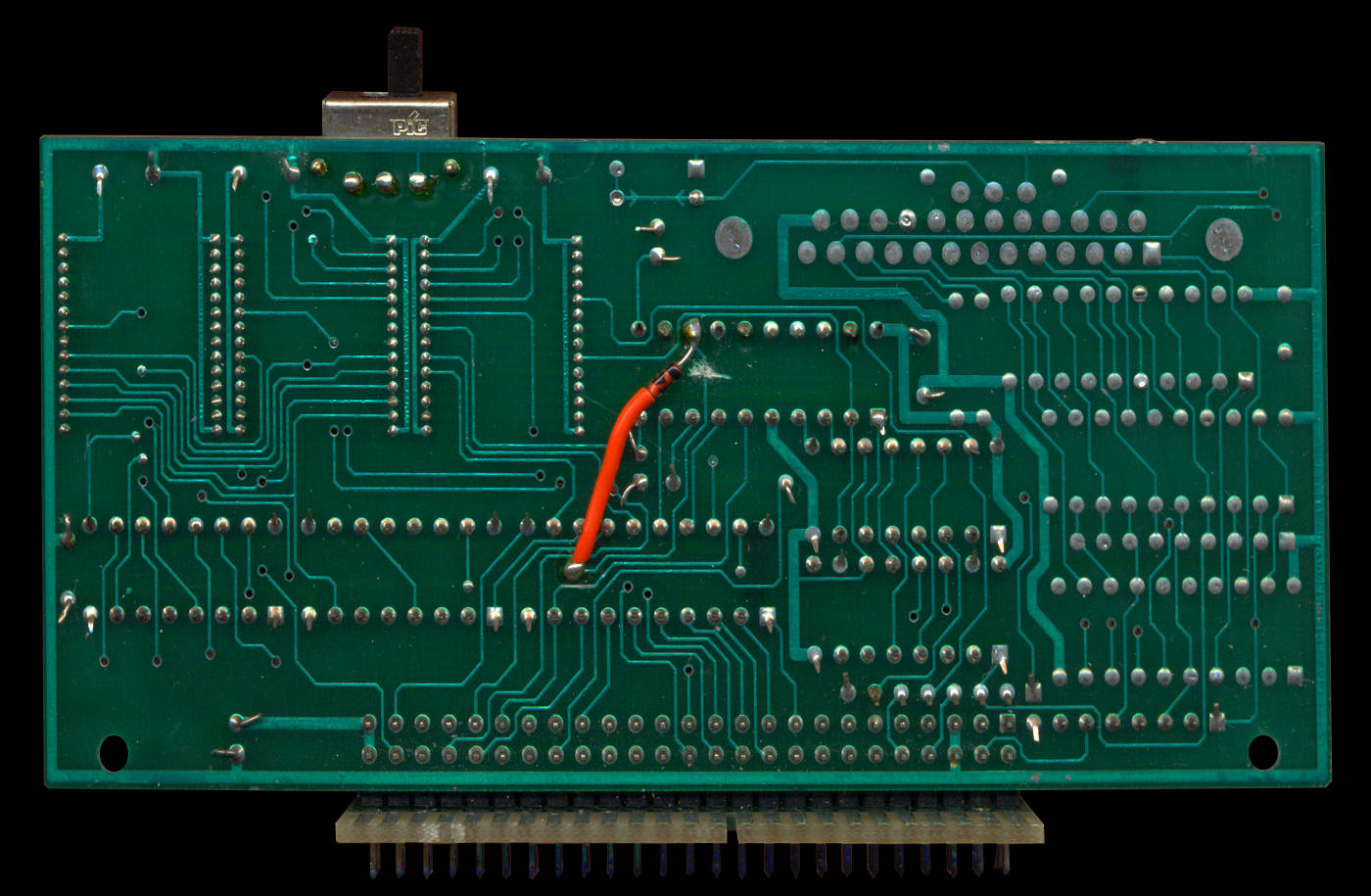
The Rampac from [[en:companias:SCA Systems|SCA Systems]] is a 512 KB RAM memory expansion that additionally features an RS232 serial port in some specific models.
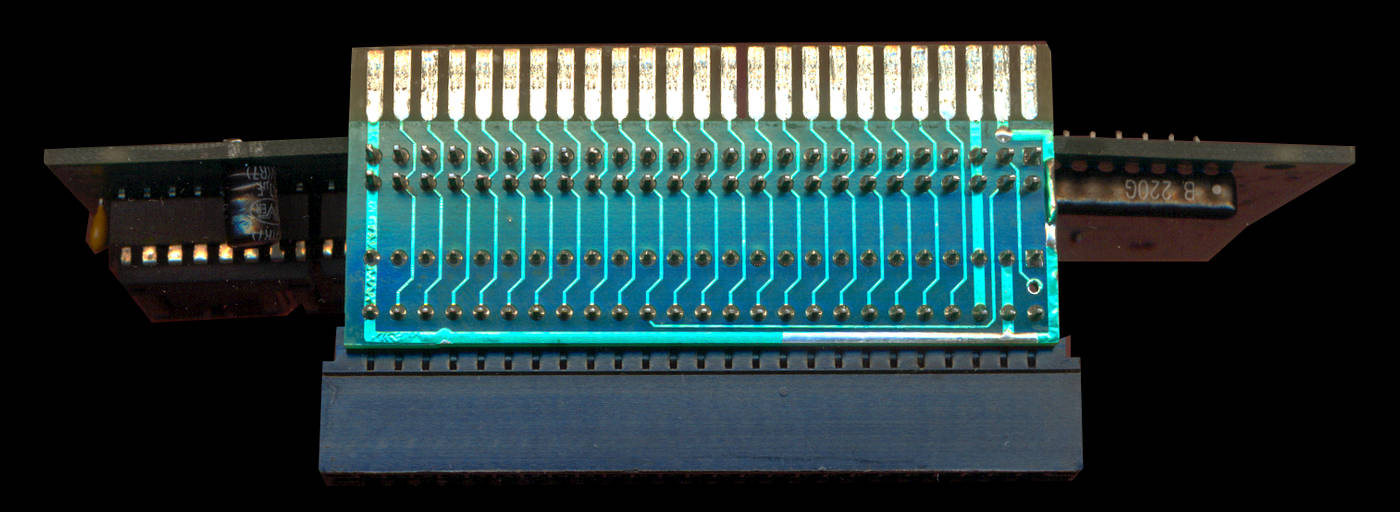
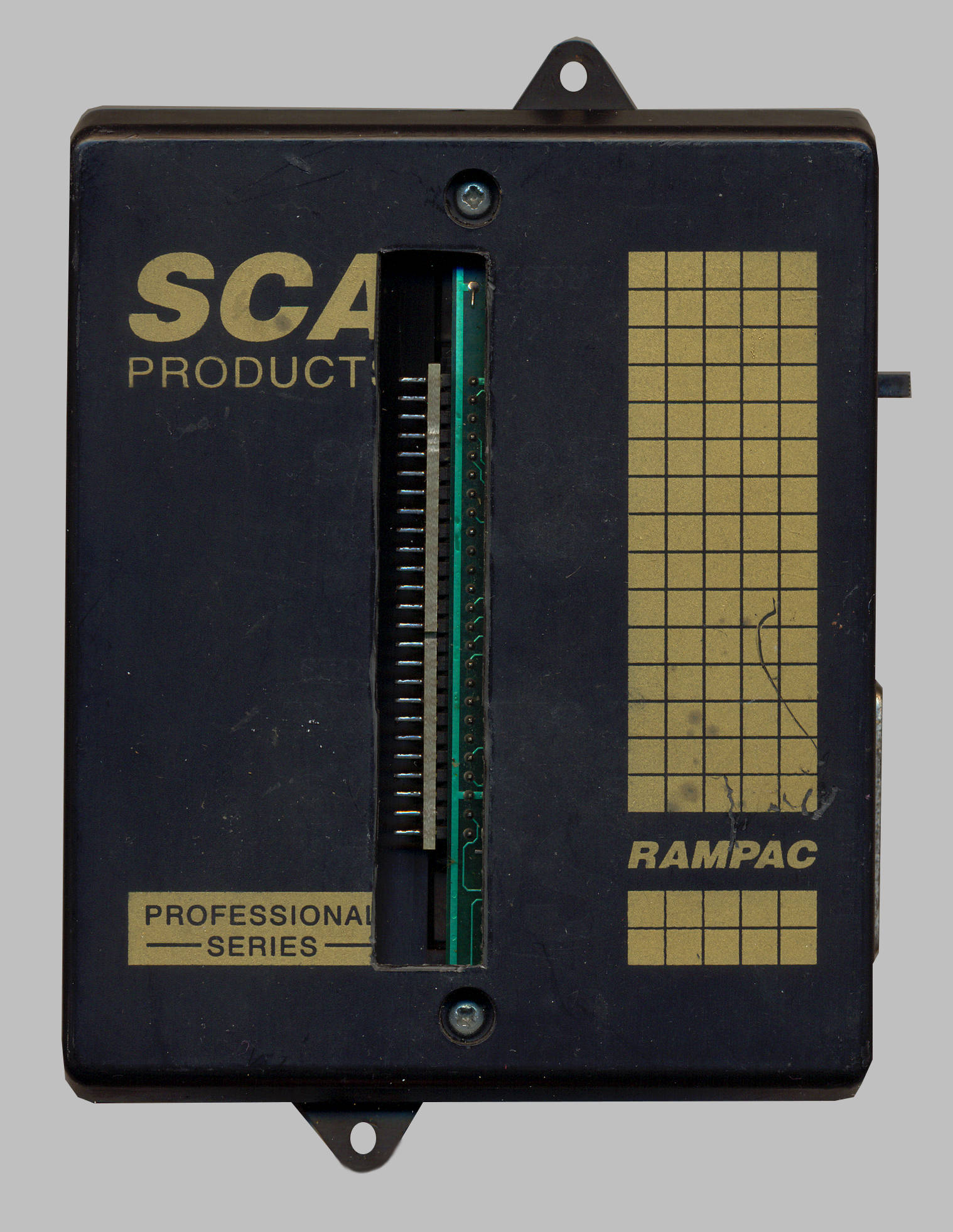
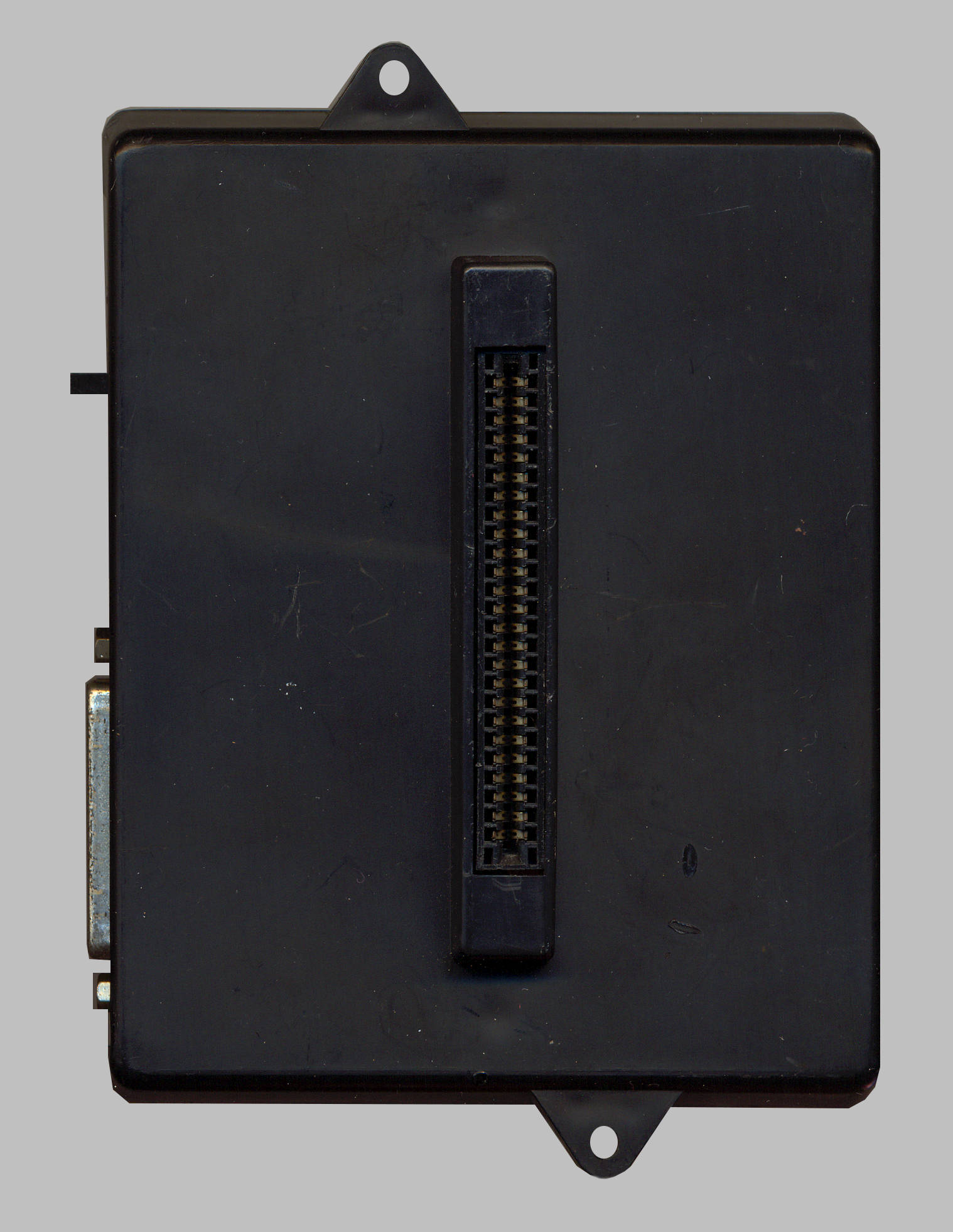
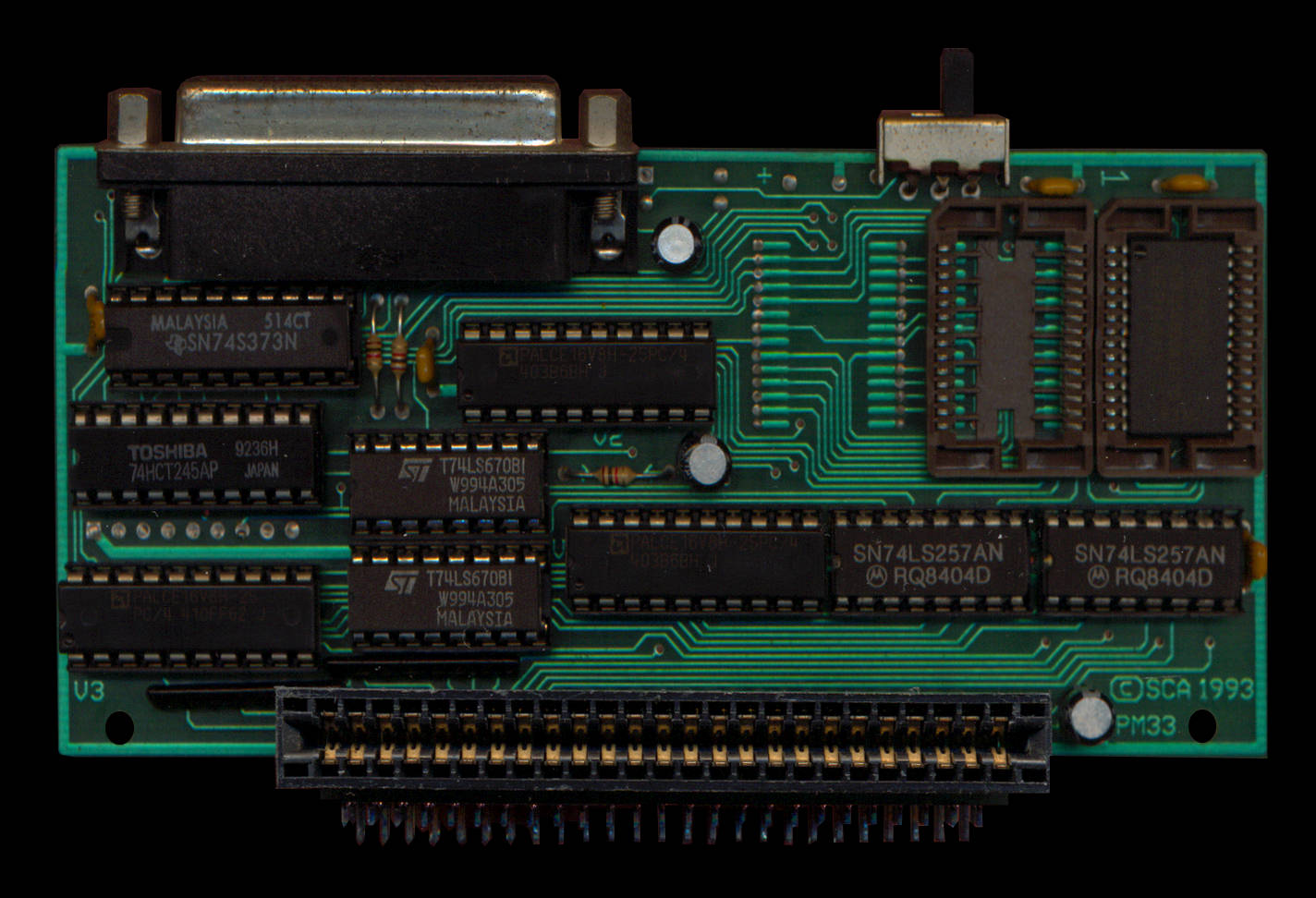
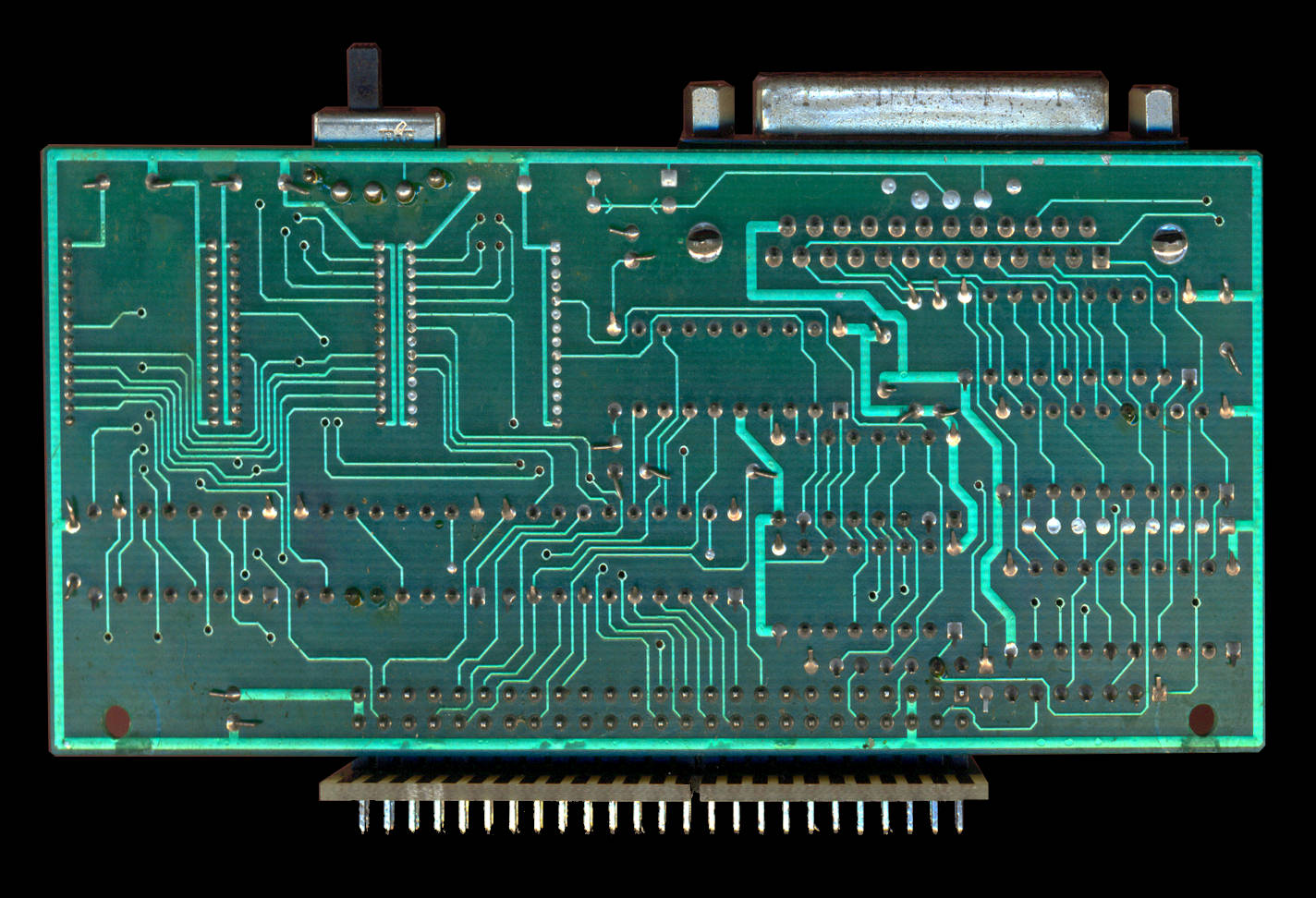
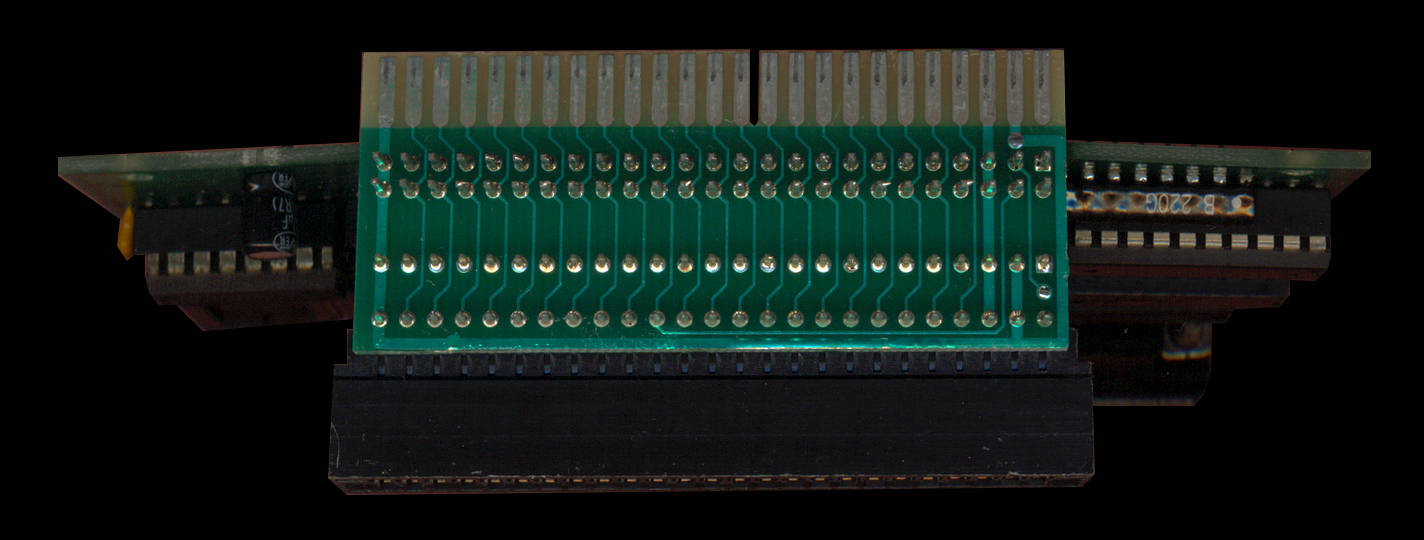
Front CaseRear CasePCB FrontPCB RearPCB BottomFront CaseRear CasePCB FrontPCB RearPCB BottomThe Rampac expansion line constitutes one of the most sophisticated hardware developments by the renowned firm SCA Systems (frequently cataloged in the desktop publishing market as SCA Products) for the Amstrad PCW 8000 series. Traditionally confused in collecting circles with modules from third-party companies, the component tracing on both the top and bottom PCBs confirms SCA Systems' authorship. The device was marketed under two physical commercial variants with distinct features: the basic model (intended for silicon memory expansion and printer control) and the premium model (which incorporated synchronous serial communications circuitry).
The engineering premise of the Rampac was to equip the PCW 8256 with a total workstation in a single pass-through expansion peripheral. The main bottleneck of the CP/M Plus operating system when executing heavily documented applications, such as the LocoScript word processor or design suites, was the physical slowness and constant mechanical access to the 3-inch floppy disks. By injecting a massive expansion of 512 KB of dynamic RAM inside the peripheral chassis, the computer instantly gained a high-speed electronic storage volume. This silicon block allowed the creation of transparent and persistent virtual disks (RAM Disks) that multiplied the machine's data transfer rates without overloading the bus.
At the level of discrete TTL and CMOS integrated circuits visible in the component and solder side PCB captures, the PRO Rampac interface precisely manages the addressing of the Zilog Z80 processor:
D0 to D7) and monitors the physical Centronics handshake lines (such as BUSY or the /ACK pulse). SCA Systems decoded these registers by strictly replicating the official Amstrad port range (0E0h to 0E3h), allowing LocoScript to recognize the interface automatically without altering a single line of code in the system disks.