TECHNICAL SHEET

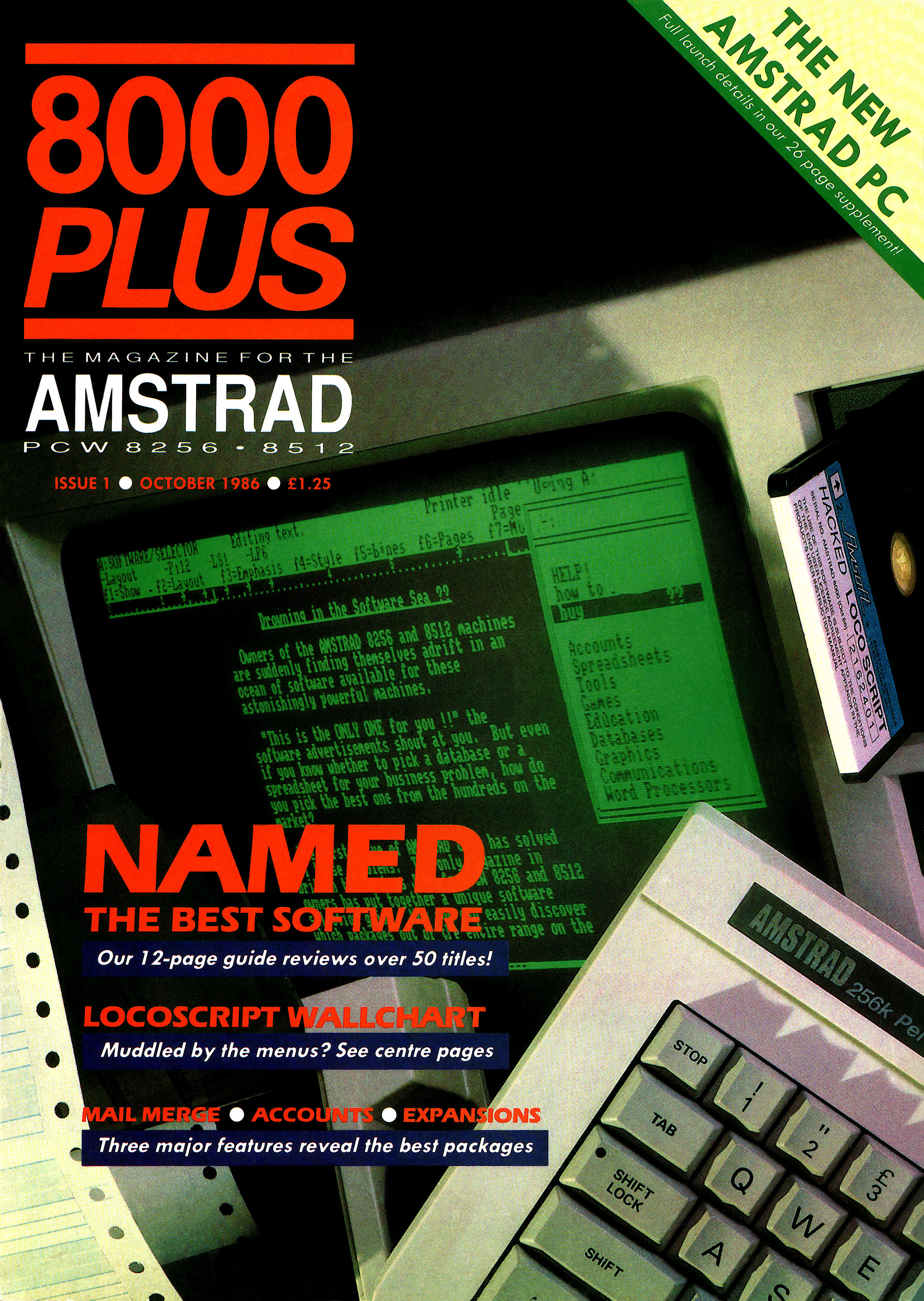
8000 Plus was a monthly British magazine dedicated exclusively to Amstrad PCW computers, published by Future plc for over a decade. Its first issue was released in October 1986, coinciding with the popularization of the PCW range, and it became one of the most comprehensive and consistent publications regarding these microcomputers. The magazine was founded to support the growing user base of the PCW 8256 and 8512, later expanding to the 9512, 9256 models, and the PcW10 range.
The magazine extensively covered hardware, software, utilities, programming, and news from the PCW ecosystem, offering its readers detailed analysis, tutorials, reviews, and practical tips that helped both new and experienced users get the most out of their machines. Among its contributors was the writer David Langford, who maintained a regular column throughout much of the publication's life.
After 63 issues under the title 8000 Plus, the masthead underwent a rebranding process to modernize its image, becoming PCW Plus as of January 1992, continuing its numbering and editorial focus but with an updated brand to reflect market evolution and the PCW hardware itself. PCW Plus continued to be published until late 1996, eventually reaching a total of 124 issues combined between both titles.
Throughout its trajectory, 8000 Plus stayed up to date with news from the PCW world, offering rigorous and specialized content at a time when microcomputer publications were an essential source of technical and practical information for the user community. Today, the magazine is considered a historical reference within the British computing press and the Amstrad PCW history, with many issues preserved in retro archives and digital collections.
TECHNICAL RIGOR AND EDITORIAL CONTENT
The magazine stood out for its superior editorial quality and deeply technical approach, aimed at both home users and office professionals:
- [#] Cutting-edge Software: It was the primary distribution platform for software from Soft (creators of LocoScript) and Arnor, offering detailed guides, tips, and patches to optimize the performance of word processors and spreadsheets.
- [#] Hardware and DIY Projects: Its pages were famous for including technical schematics to expand equipment memory, connect external 3.5" disk drives, and adapt other printer brands, which was vital given the PCW's closed architecture.
- [#] CP/M and Programming: It maintained fixed sections dedicated to the CP/M operating system, featuring code listings in Mallard BASIC and powerful Z80 assembly language routines.
- [#] Coverdisks: Starting in the late 80s, the magazine began including disks (in 3" or 3.5" format) containing essential utilities, fonts, and software demonstrations.
LEGACY AND PRESERVATION
8000 Plus was not just an informative magazine, but the center of an ecosystem that allowed the PCW to survive far beyond its commercial expectations. Its focus on productivity and its defense of the CP/M system against MS-DOS make it today the most important documentary archive for the preservation of this platform.
[ SELECT AN ISSUE TO DOWNLOAD ]
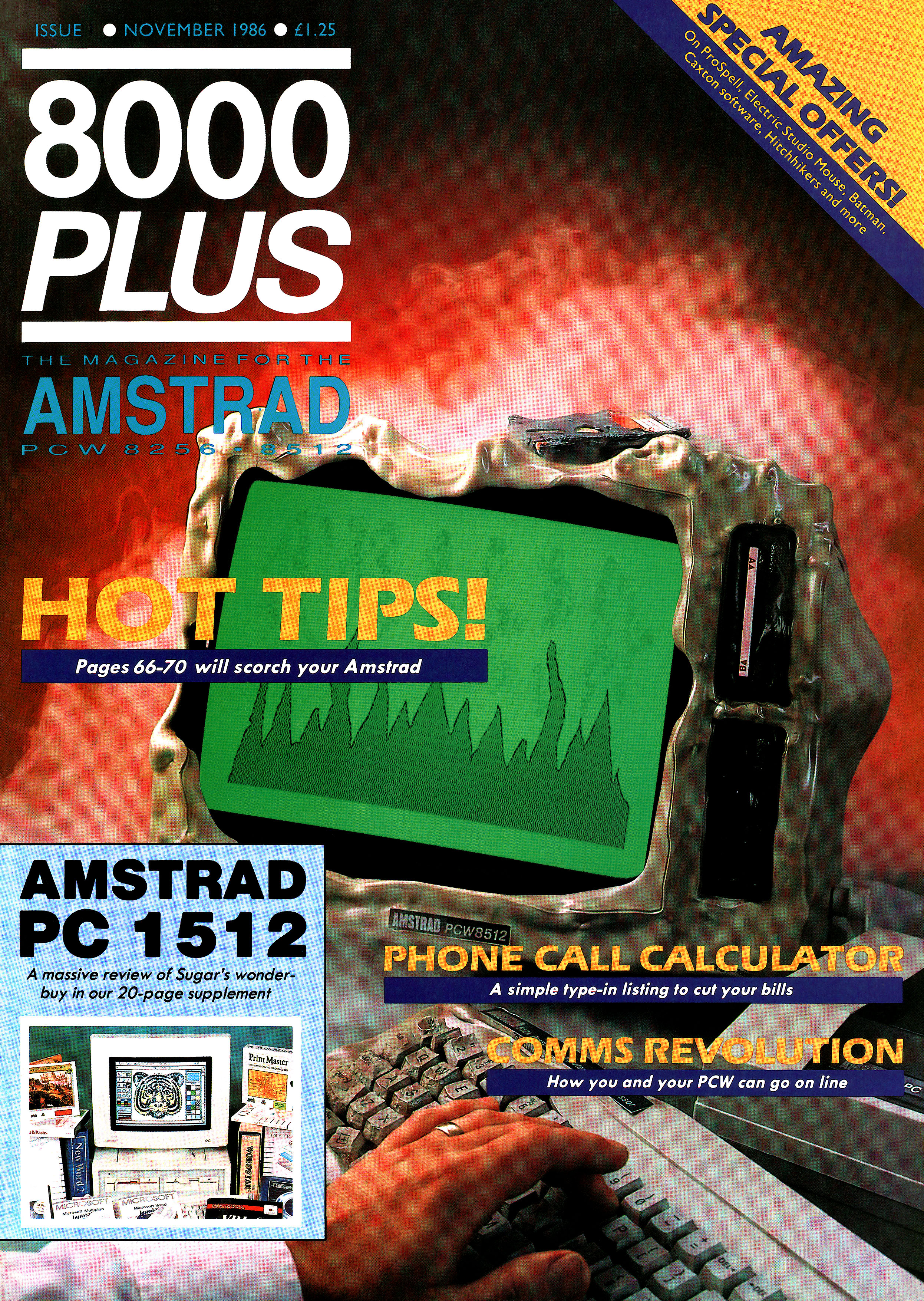
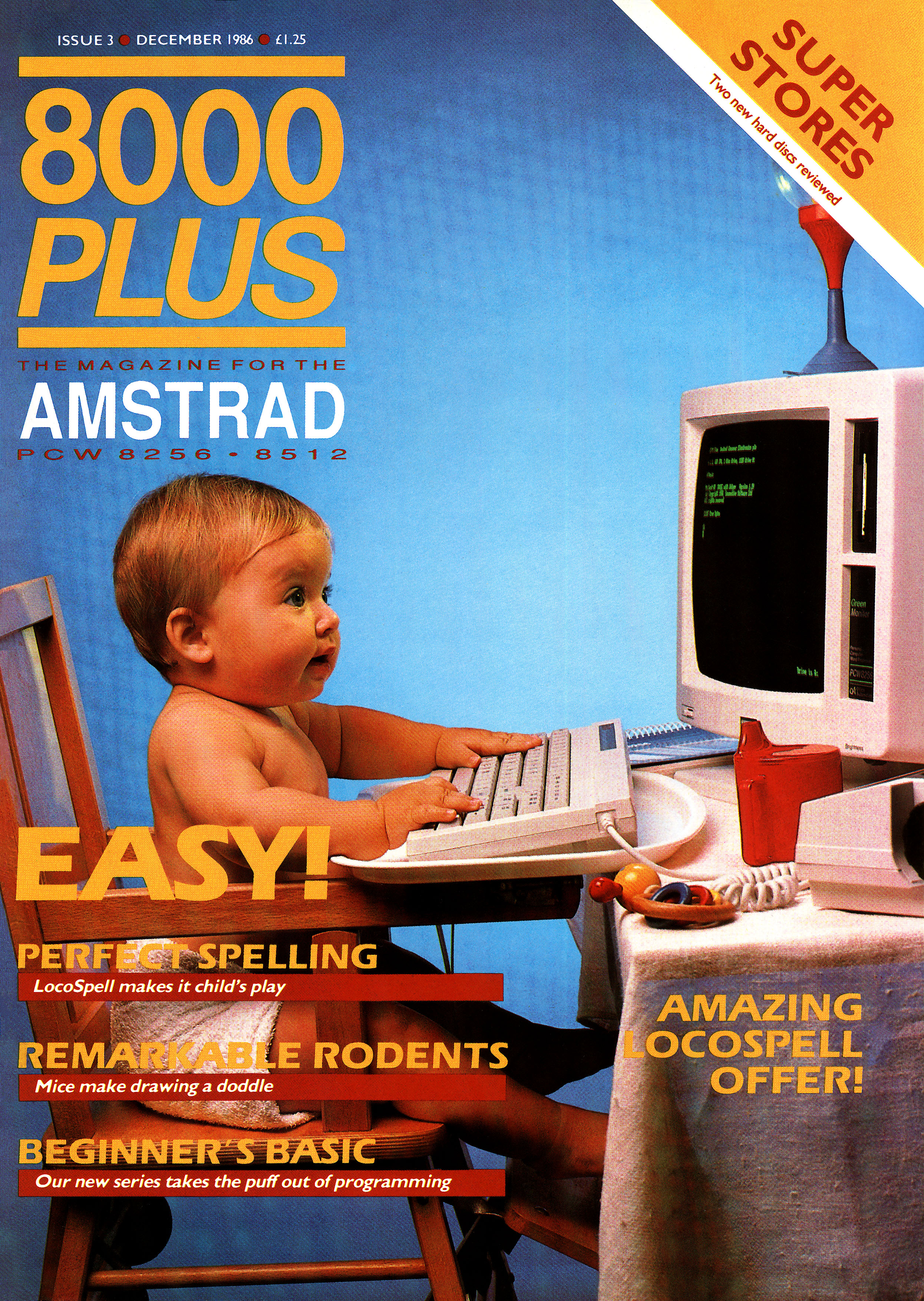
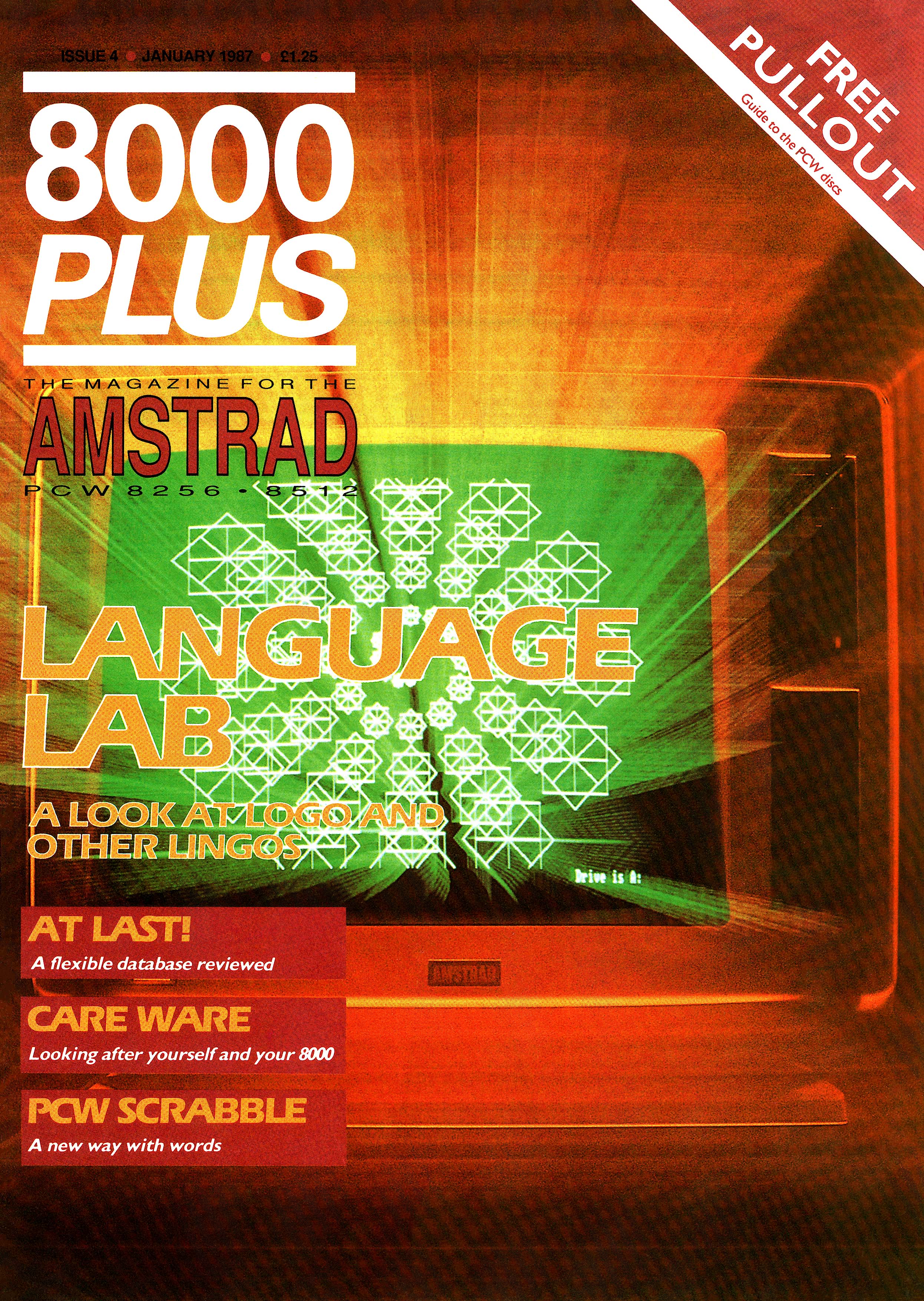
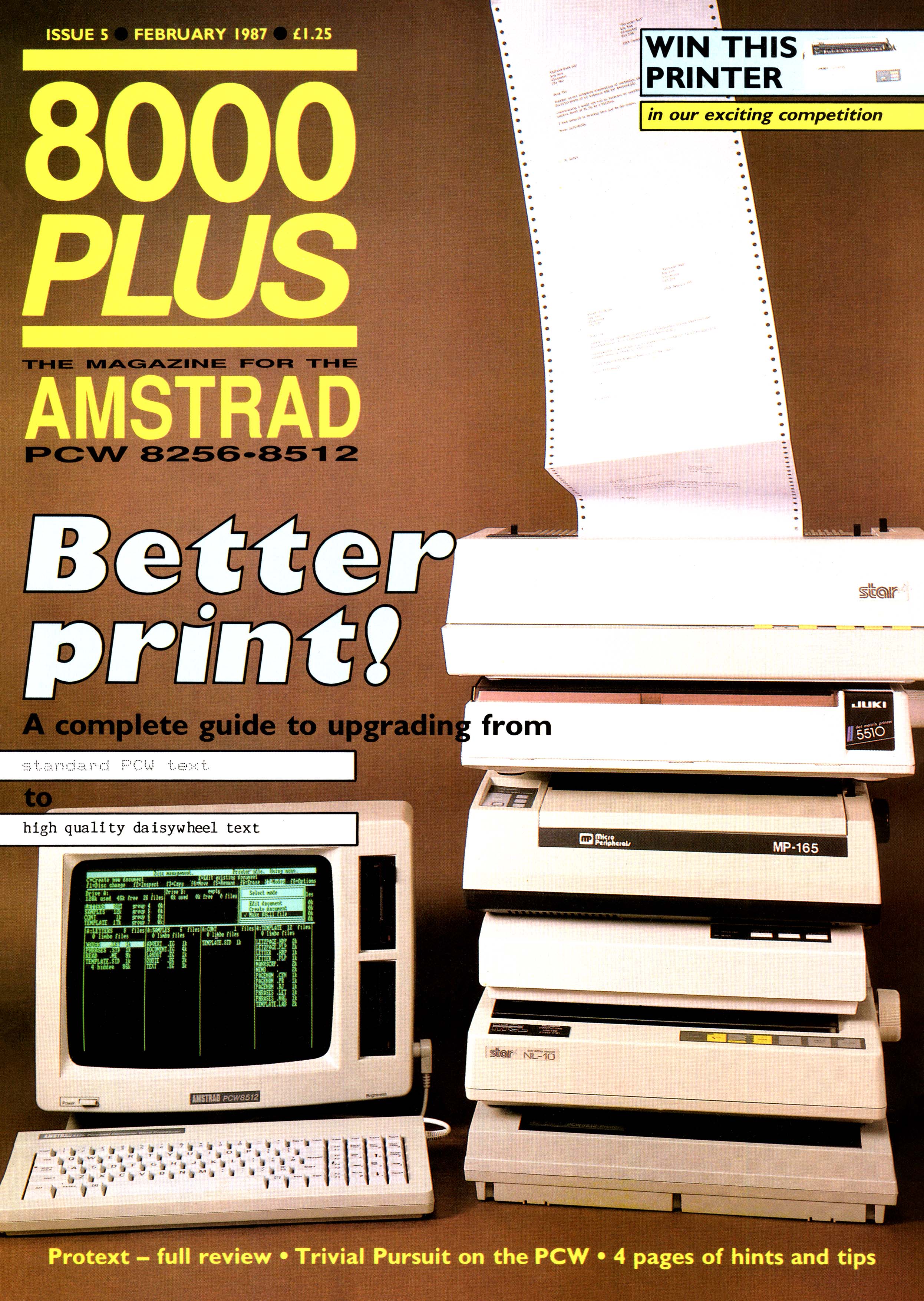
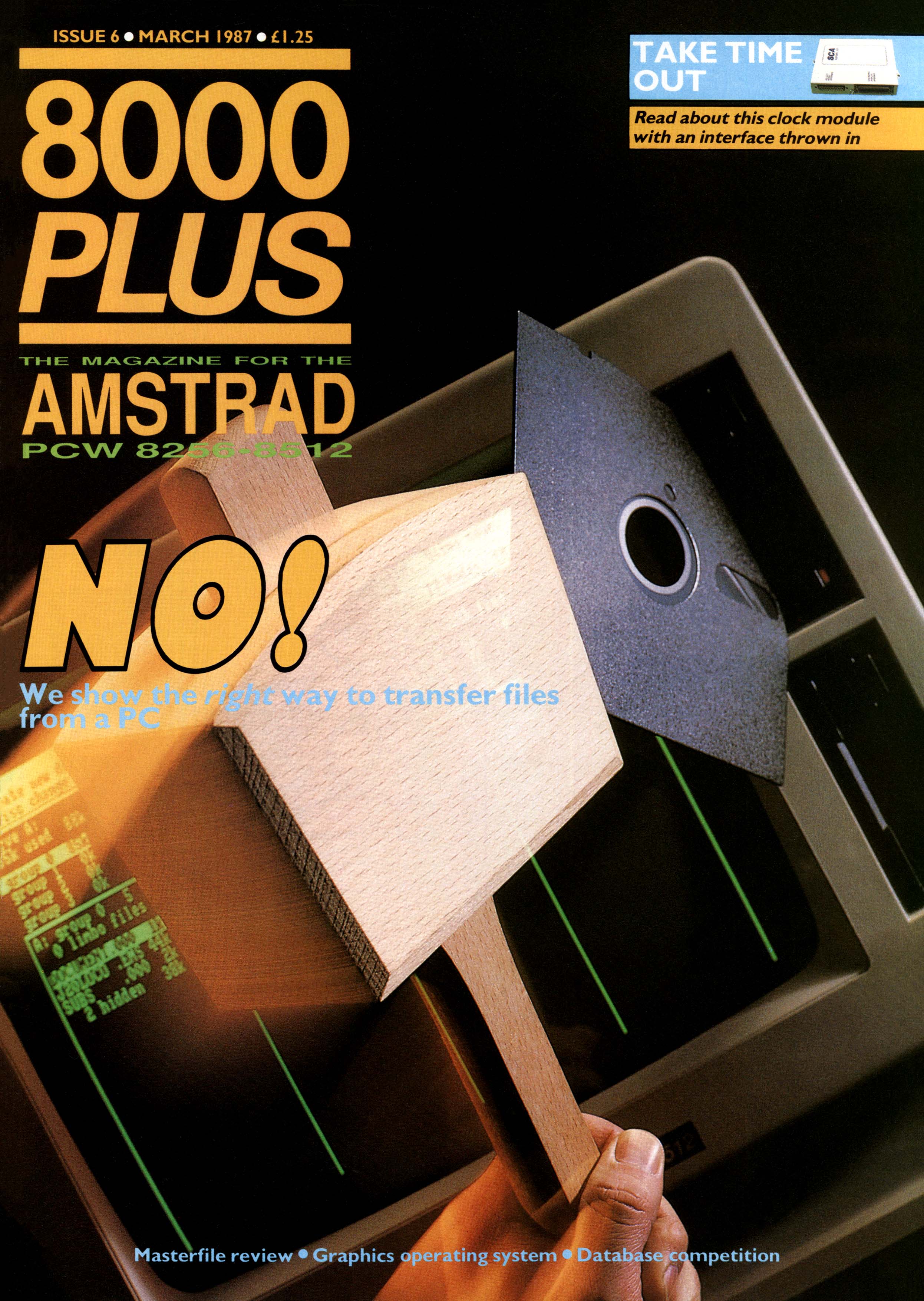
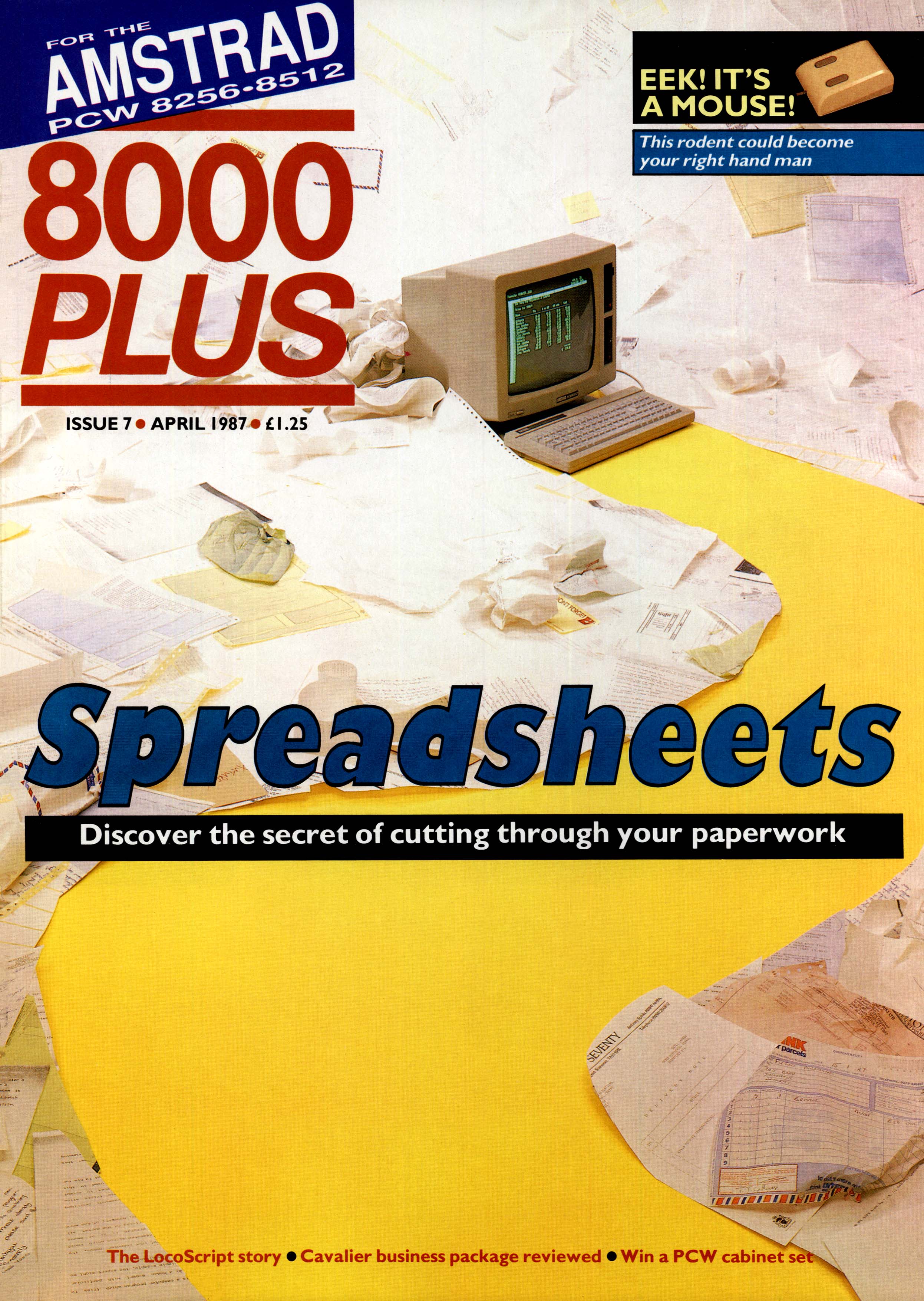
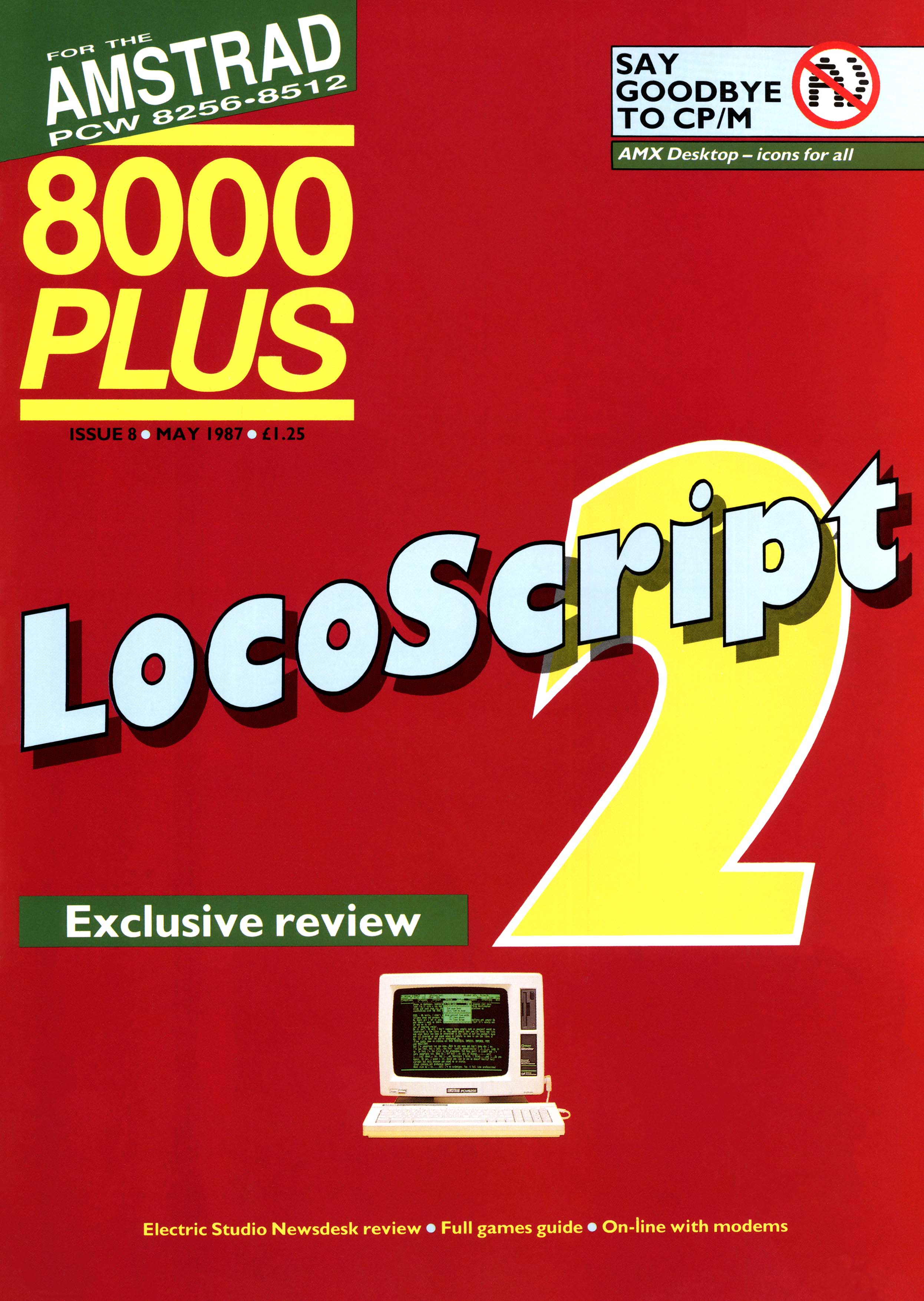
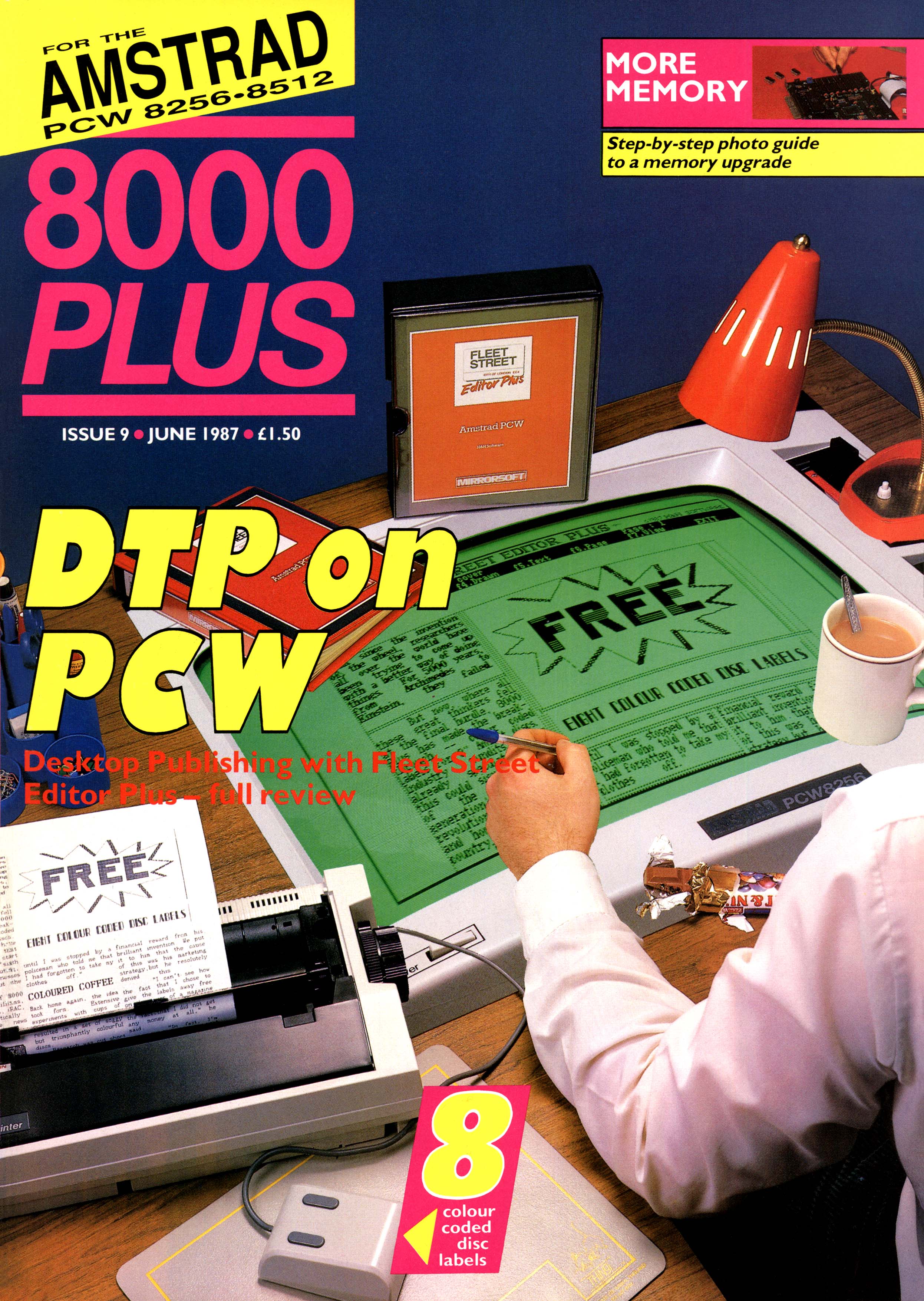


8000 Plus magazine distinguished itself by offering exceptional added value through various physical supplements that expanded the Amstrad PCW's capabilities. For users of the time, these extras were indispensable working tools, not just simple gifts.
Some issues of 8000 Plus included promotional and technical posters, generally related to Amstrad PCW hardware, schematics, keyboard shortcuts, or software advertising. These materials were distributed as supplementary content and today are among the most difficult items to preserve.
The posters were not merely decorative; they were often "Cheat Sheets" featuring PCW character maps, ASCII code tables, or circuit diagrams for hardware projects proposed by the magazine.
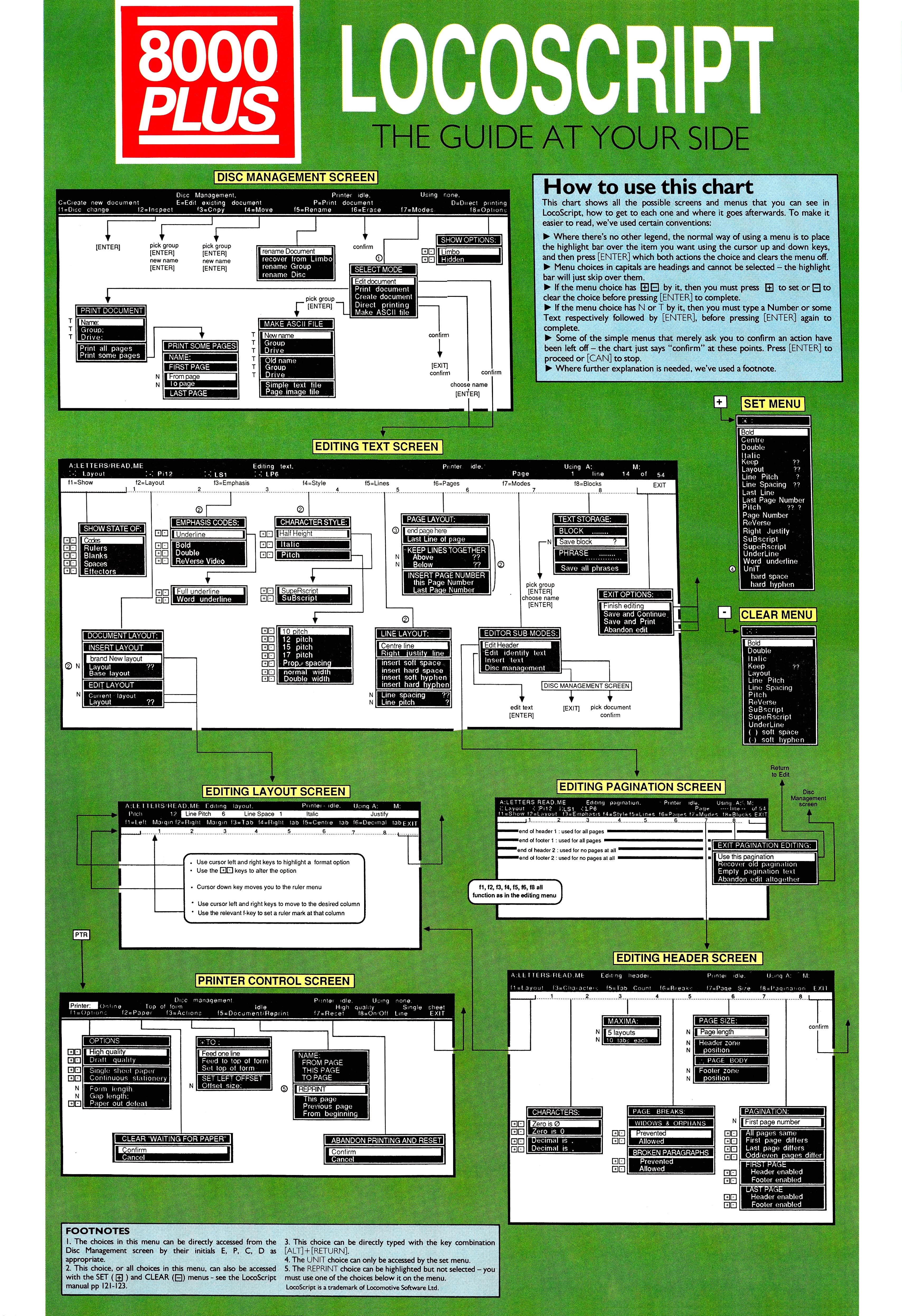
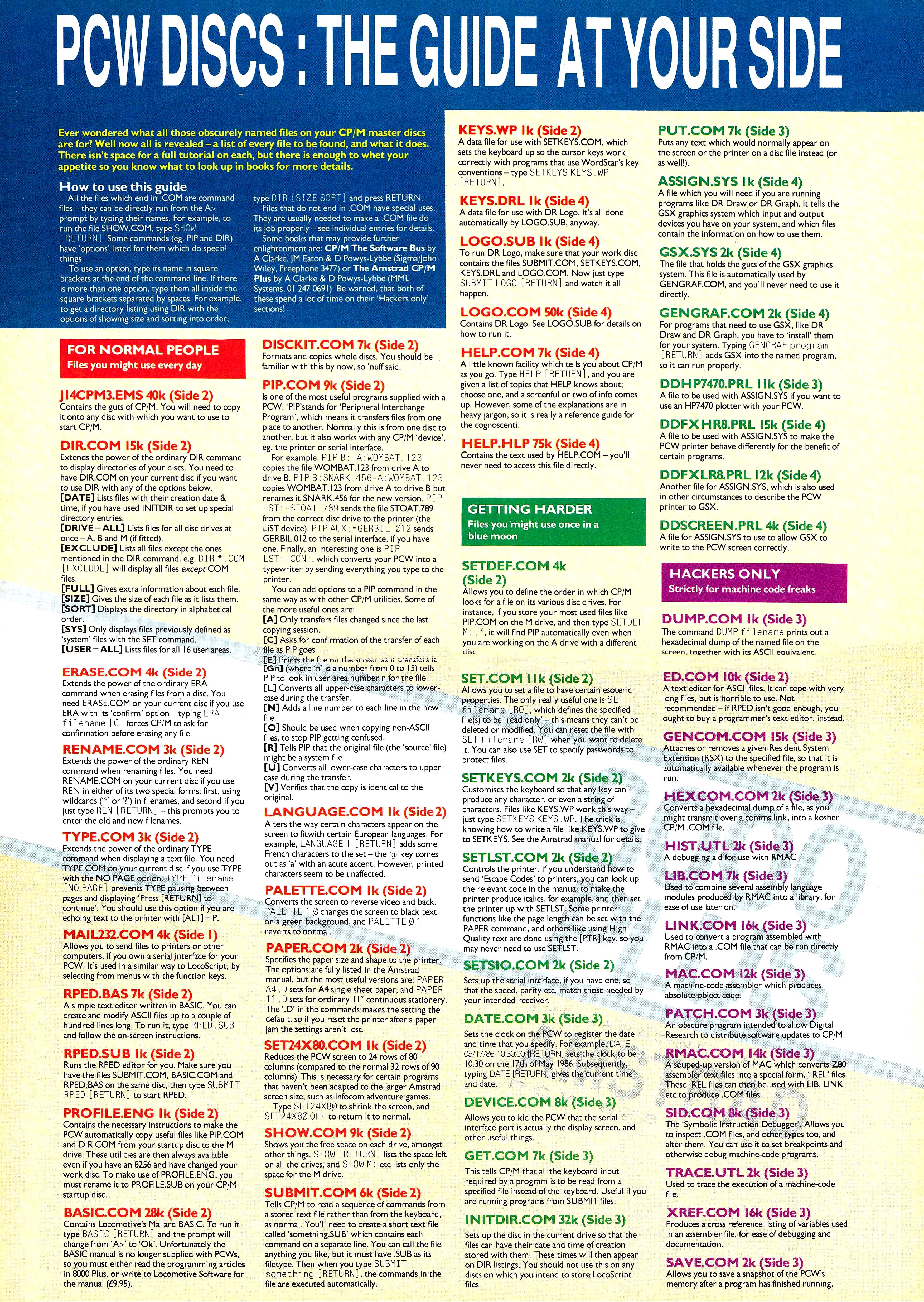
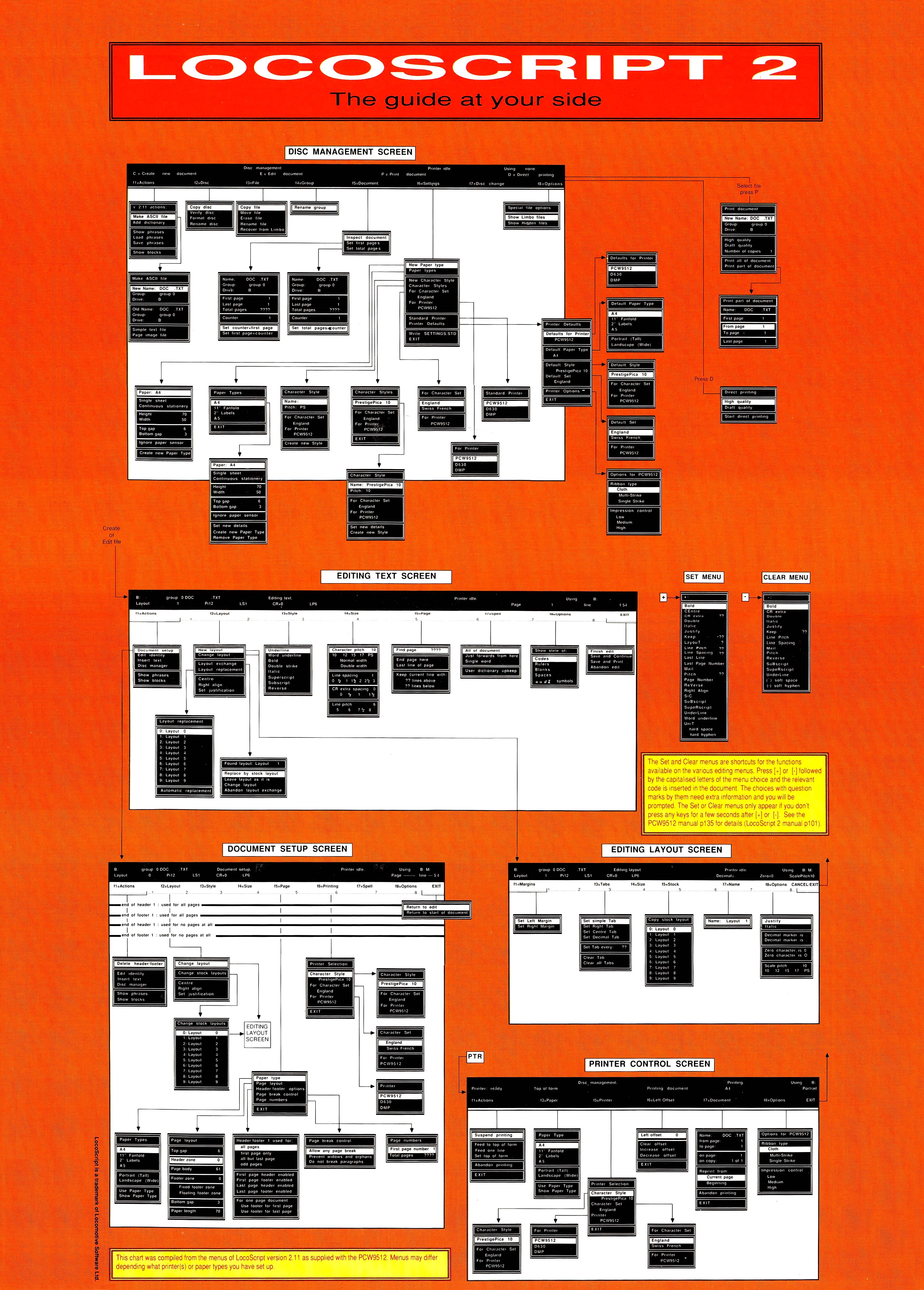
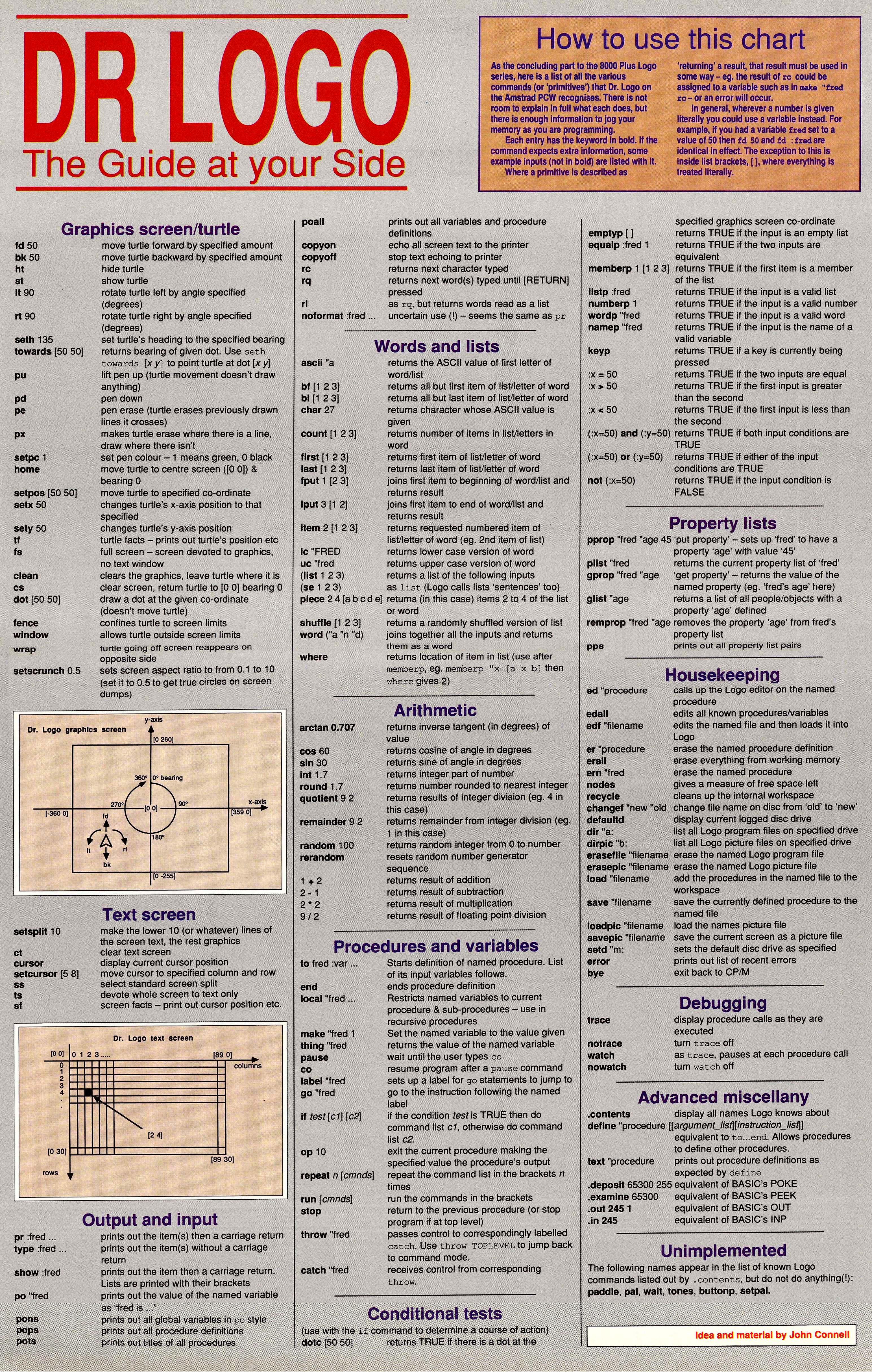
The magazine often included independent booklets focused on critical areas such as LocoScript management, CP/M command guides, or Z80 assembly manuals. These supplements were designed to be kept alongside the computer as quick reference material.
As technology advanced, the magazine began to include 3” disks. These disks were a vital extension of the publication and contained:
- [#] Utilities: File management programs, system patches, and new fonts.
- [#] Public Domain (PD): A carefully curated selection of the best public domain software of the era.
- [#] Demos: Evaluation versions of commercial software from leading firms such as Arnor or Sage.


