COLISEUM
Technical Data

Production team:Code: Eugenio Barahona Novoa
Original Graphics: Ricardo Cancho Nieta
Original Music: César Astudillo (Gominolas)
Release Year:1988 (Original)
Port Year:2023
Compatibility:PCW 8256 - PCW 8512 - PCW 9512 / PCW Plus / PCW# mini
Graphics:3 styles (Simple, Patterns & Dither in Modes 0/1) / Optimized Monocromo
Sound:Buffered Sound FX (Internal speaker) / Theme music optimized for DK'Sound
Peripherals:Keyboard (Redefinible) / DK'Tronics compatible Joystick
Loading:Adapted structure for CP/M environment (Direct disk execution)
Genre:Arcade / Driving / Action / Retro Racing
Players:1 Player
Language:Spanish
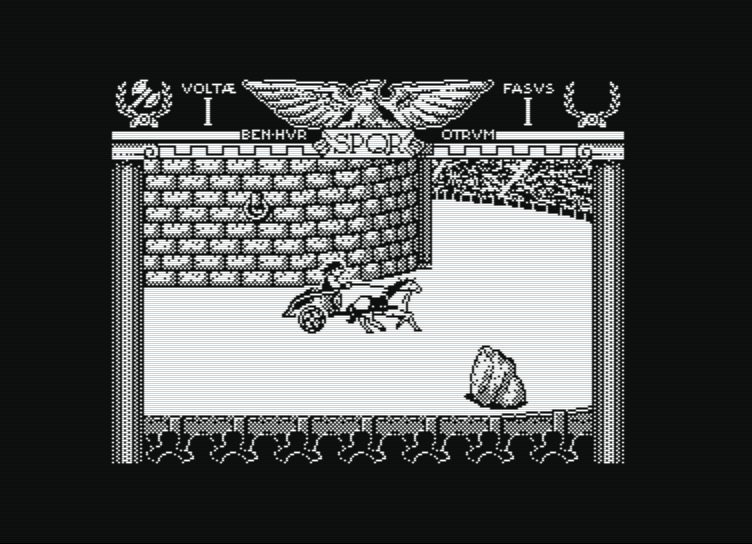
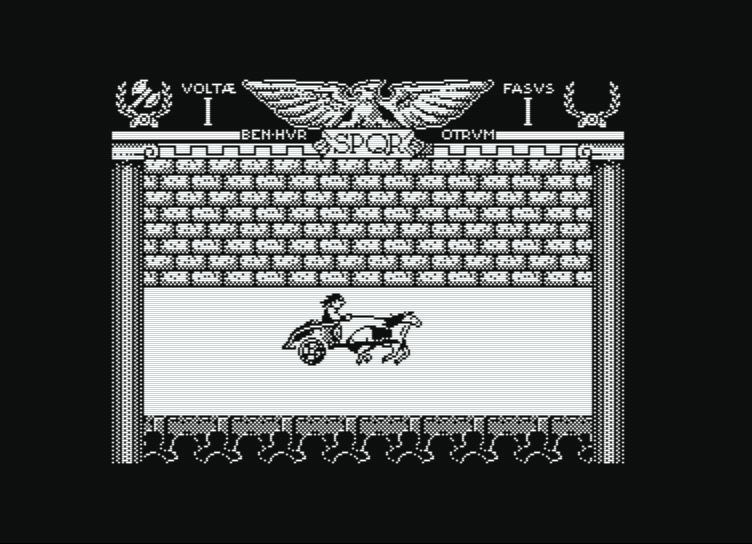
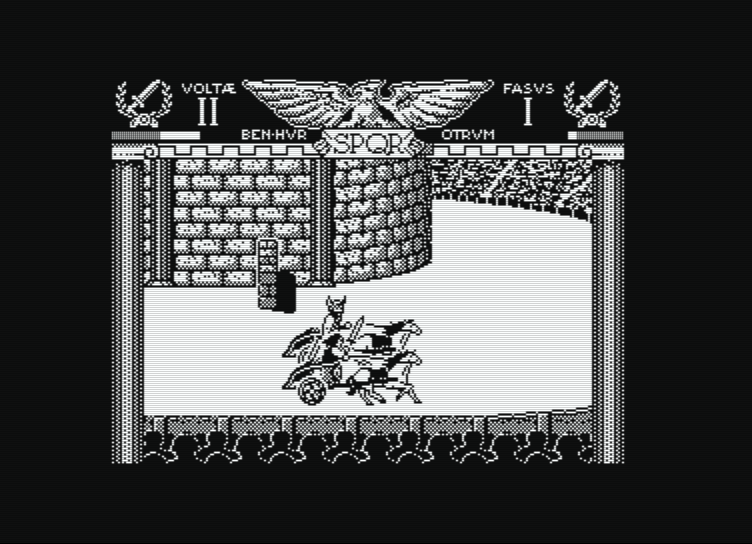
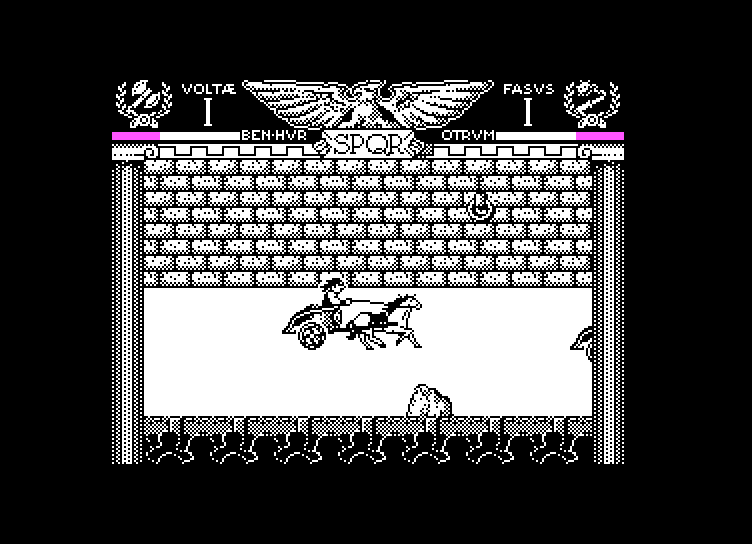
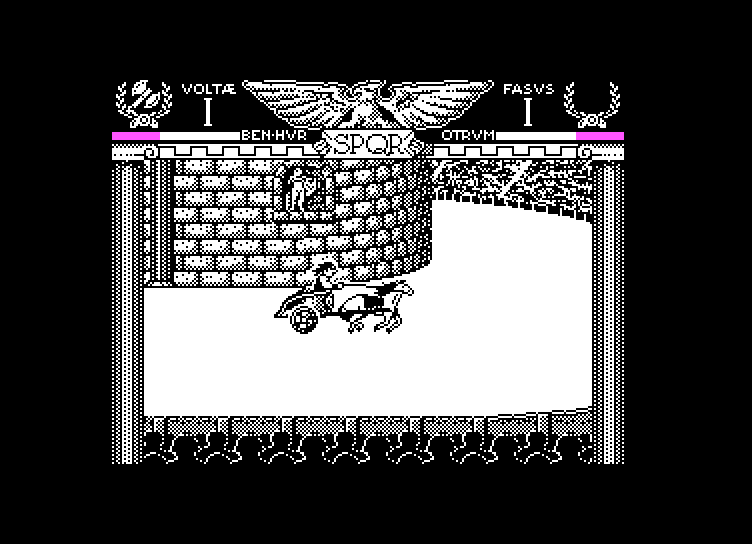
Screenshots
Description
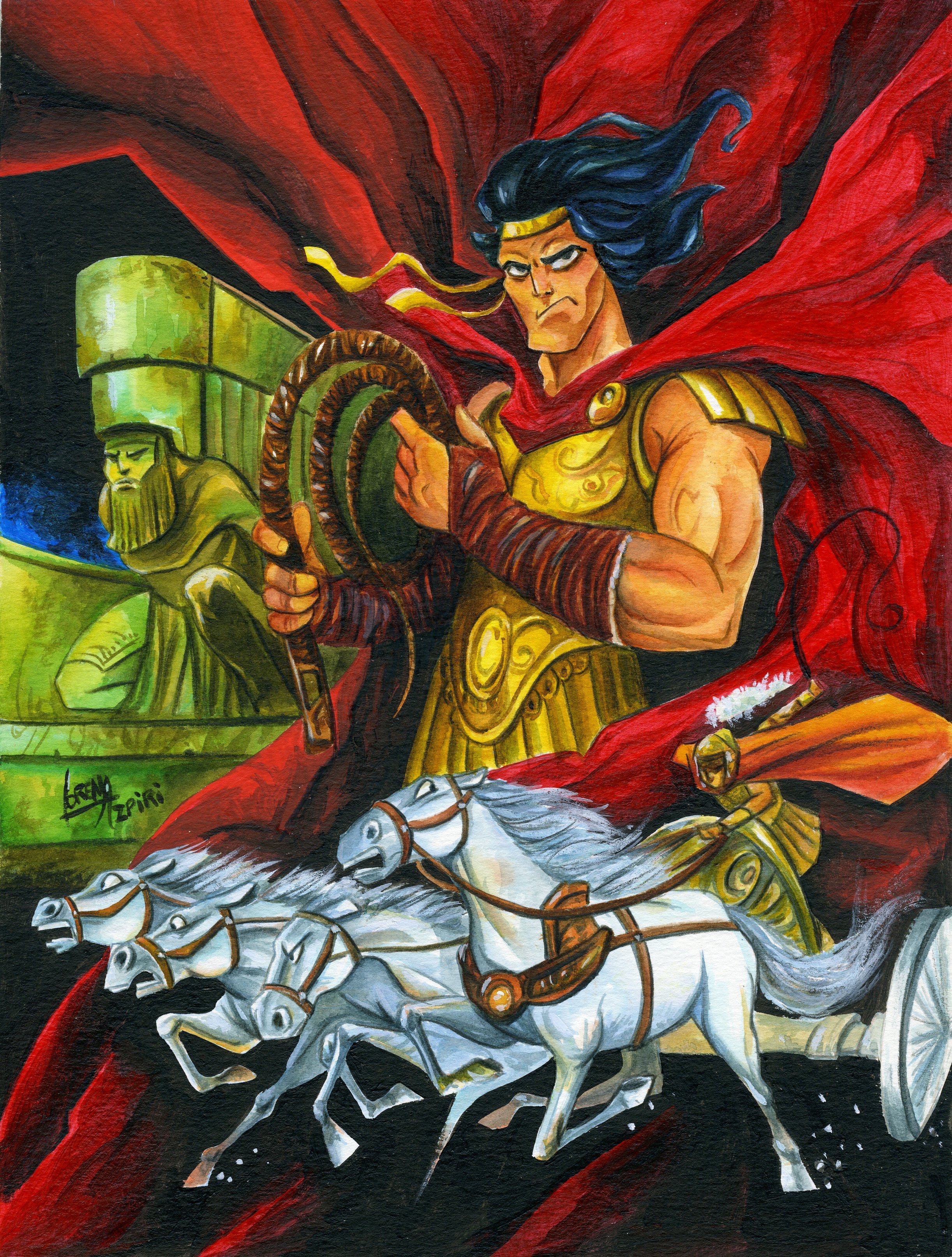
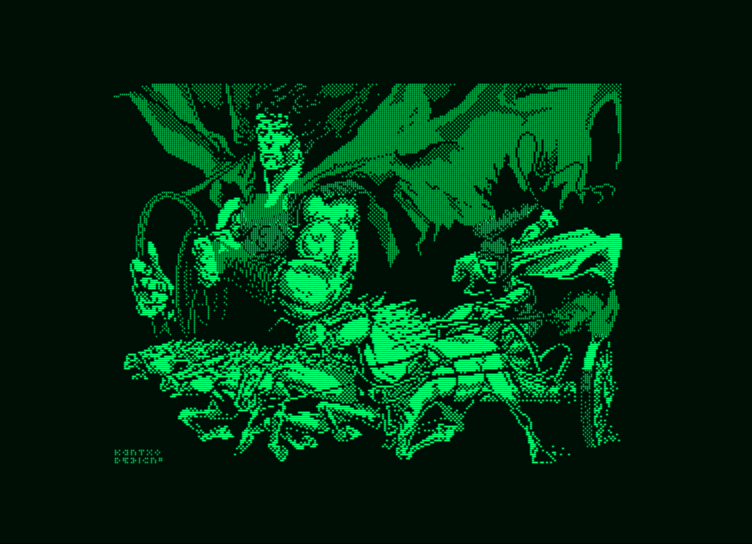
The legendary "Coliseum", one of the greatest speed and combat milestones from the Golden Age of Spanish Software, was originally developed in 1988 by the renowned company Topo Soft. Featuring an all-star development team led by Eugenio Barahona in programming, Ricardo Cancho bringing the imposing pixel art to life, and the mythical soundtrack composed by César Astudillo "Gominolas", the title achieved massive success on 8-bit systems such as the Amstrad CPC, MSX, and ZX Spectrum. The plot transports us to the heart of the Roman Empire, putting us in the shoes of Benurio, a legionary officer unjustly condemned to fight for his life. To regain his freedom and honor, he must triumph in a brutal chariot race inside the Circus Maximus, dodging lethal sabotages orchestrated by Nerio, the ambitious head of the Praetorian Guard.
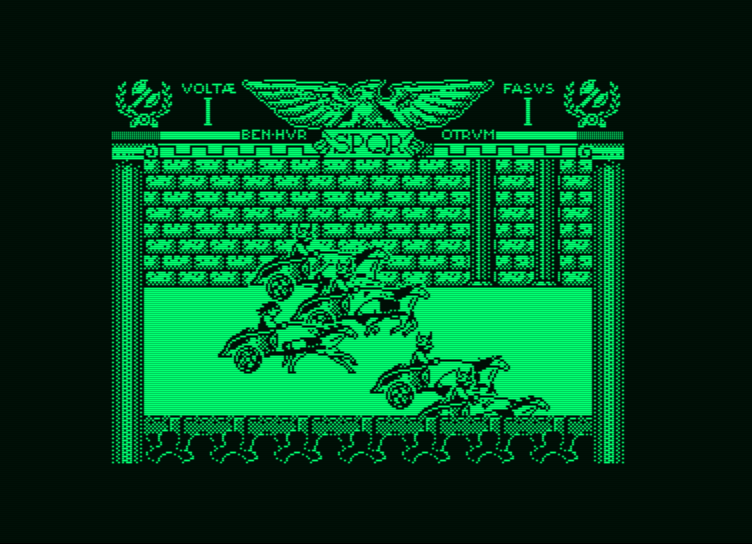
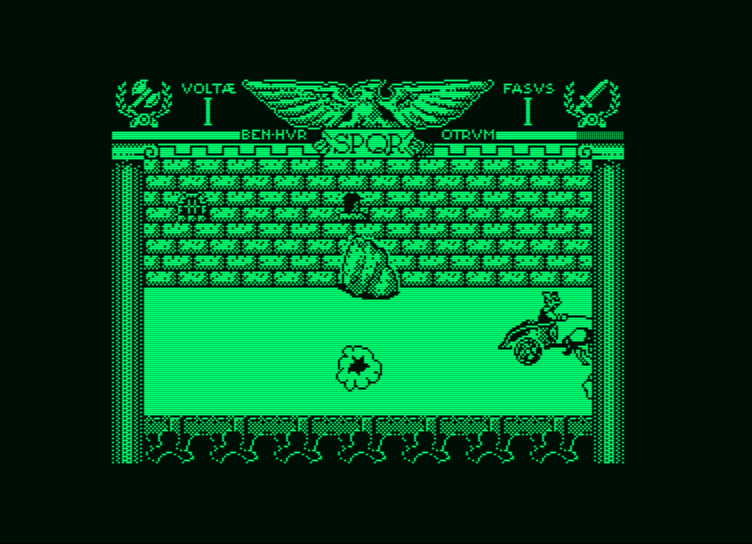
This outstanding adaptation for Amstrad PCW computers and its modular counterpart, the PCW# mini, was masterfully coded by Enrique G. Gálvez in 2023. As in his previous productions, Gálvez breaks the traditional boundaries of the office machine by integrating his advanced graphics engine. The port implements 3 independent visual styles selectable for video Modes 0 and 1 on green phosphor monitors: Simple style, Patterns style, and a meticulous pixel dither (Dither style). This allows the game to render the frantic pace of the Roman tracks, wheel wear, crashes against the circus walls, and the fierce whips of rivals with absolute sharpness, all without losing frame rate or execution speed on the Z80 processor.
The port perfectly translates the arcade dynamics of the original masterpiece, preserving the tactical tension of managing chariot damage and track aggressiveness. The gameplay routines are enhanced by a careful audio adaptation of the intro theme and race sound effects, making it an indispensable title for the preservation and enjoyment of the Amstrad PCW computing ecosystem.
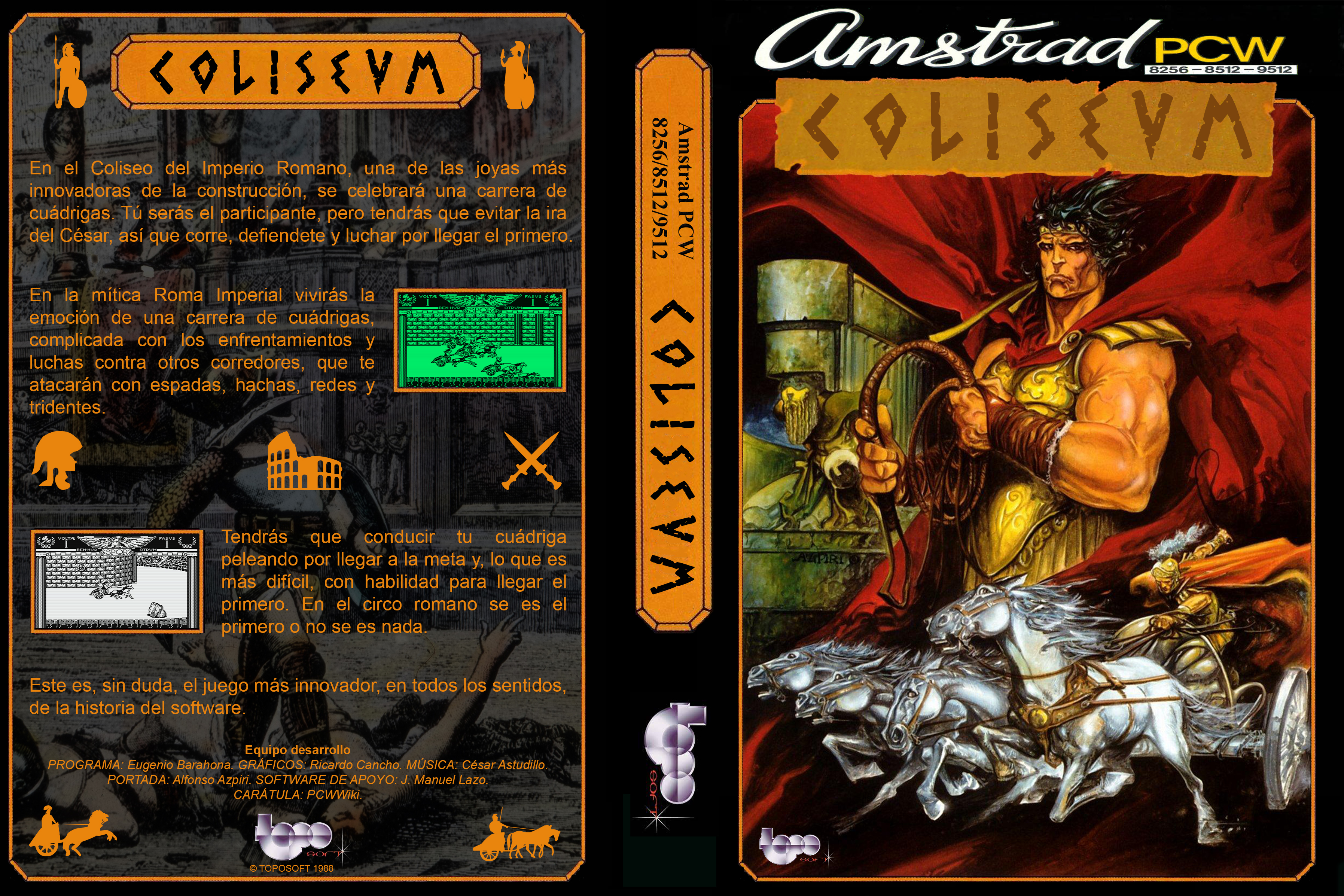
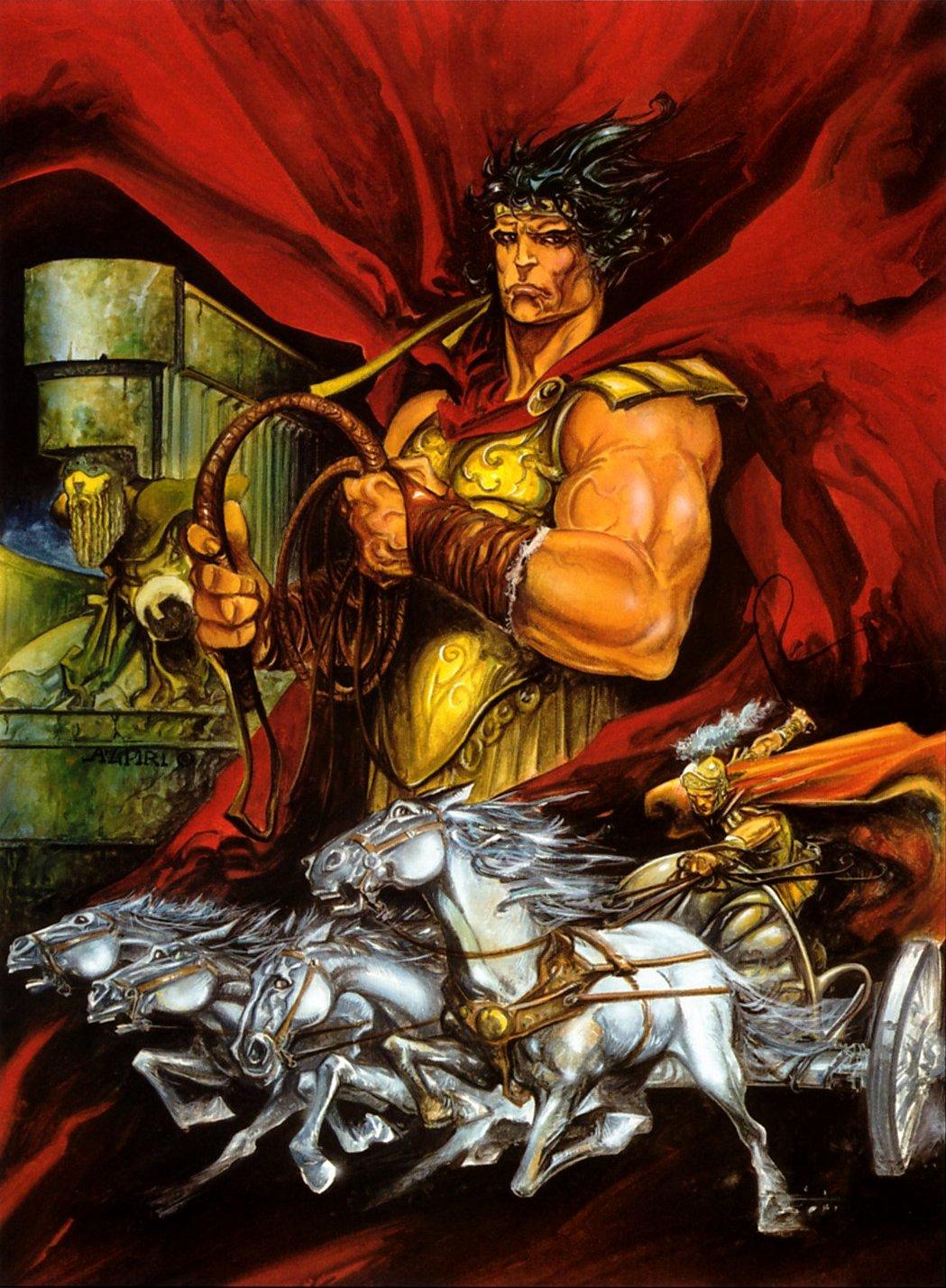
Cover Art
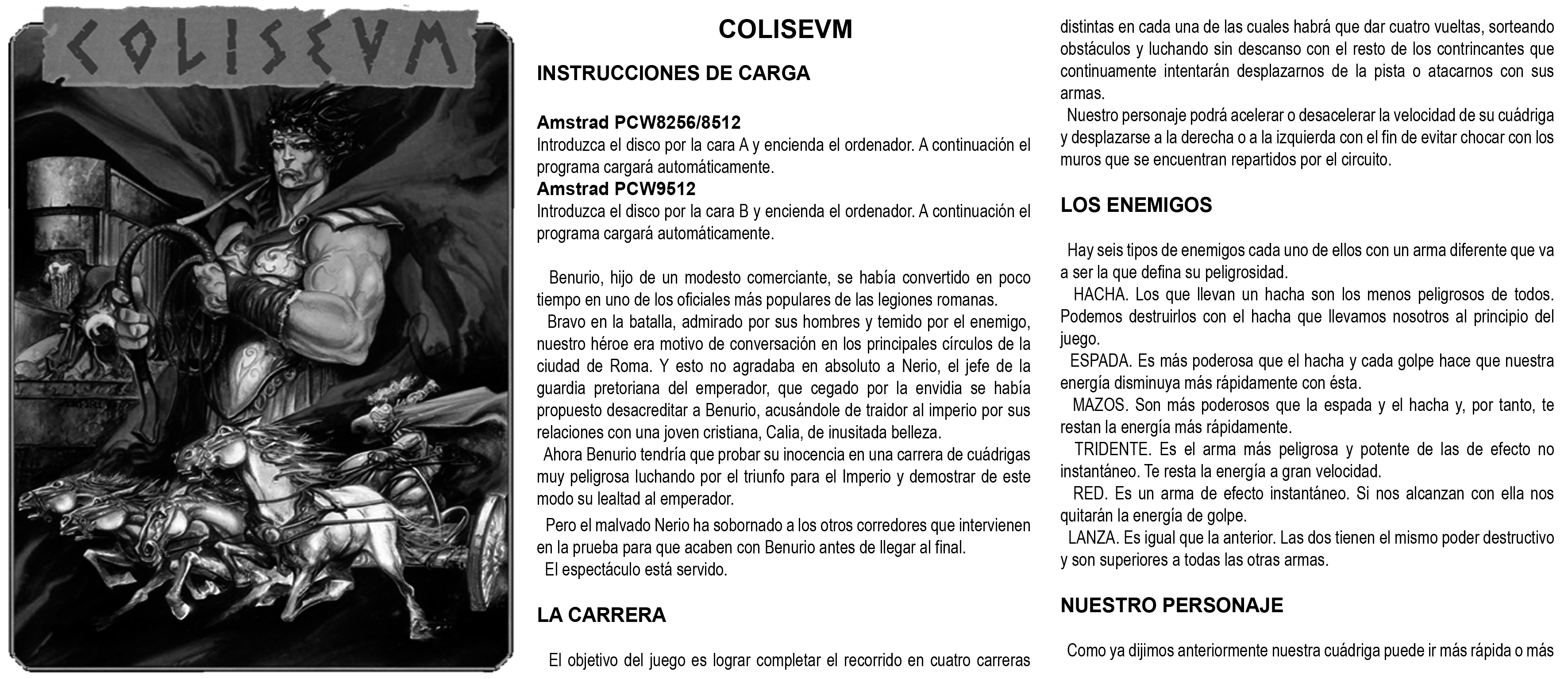
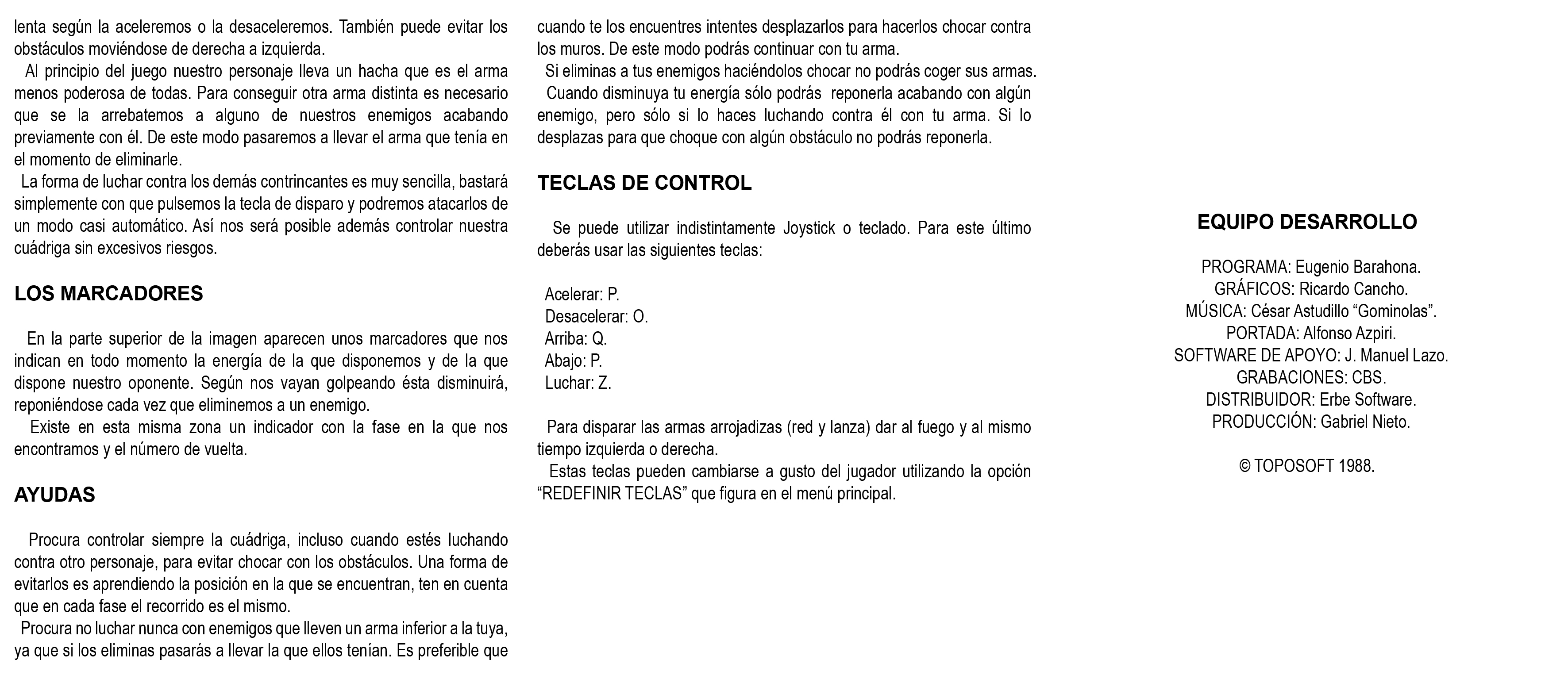
Manual
The official game documentation is attached, reedited with the specifications of the new technical engine (Click on each page to open full screen in a new tab).
Disks
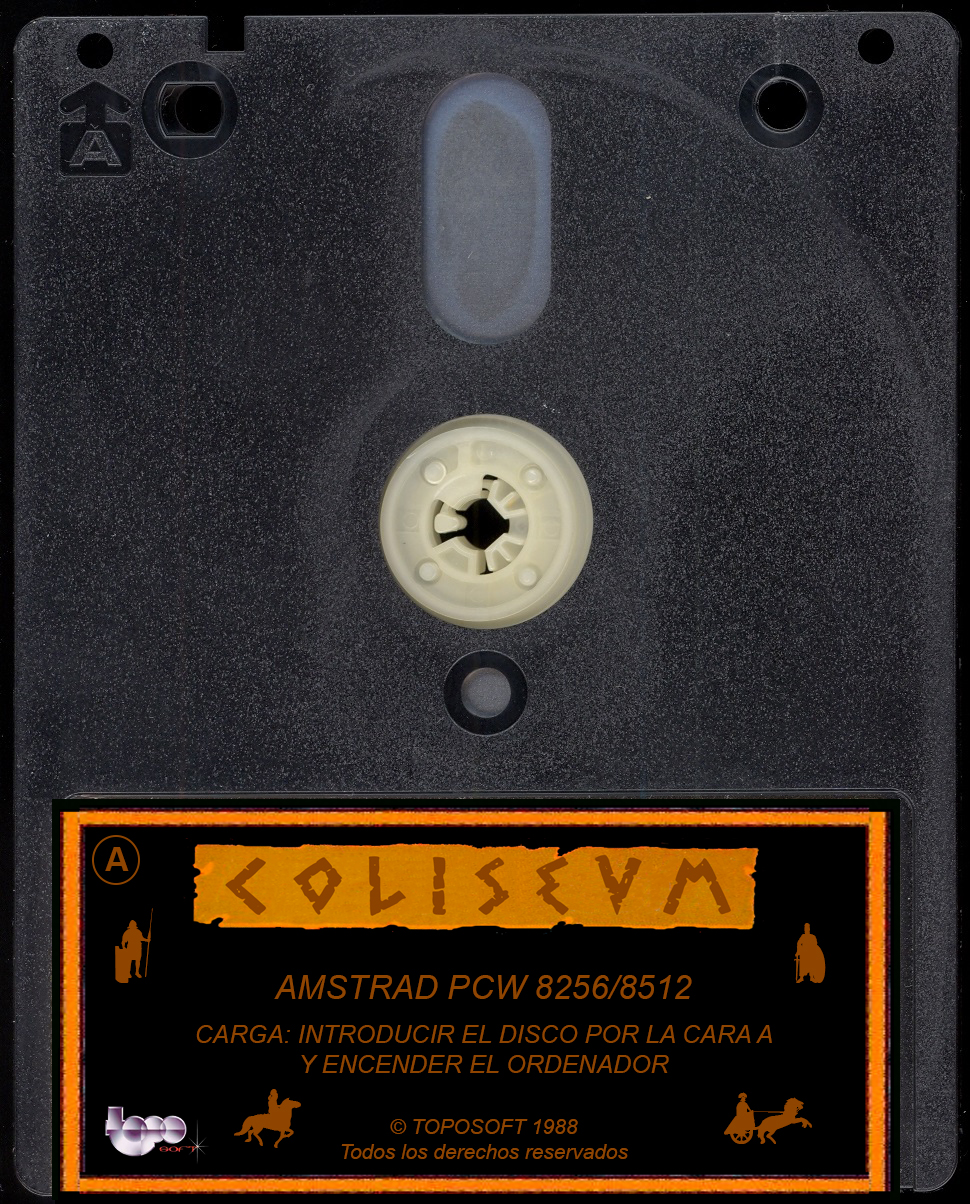
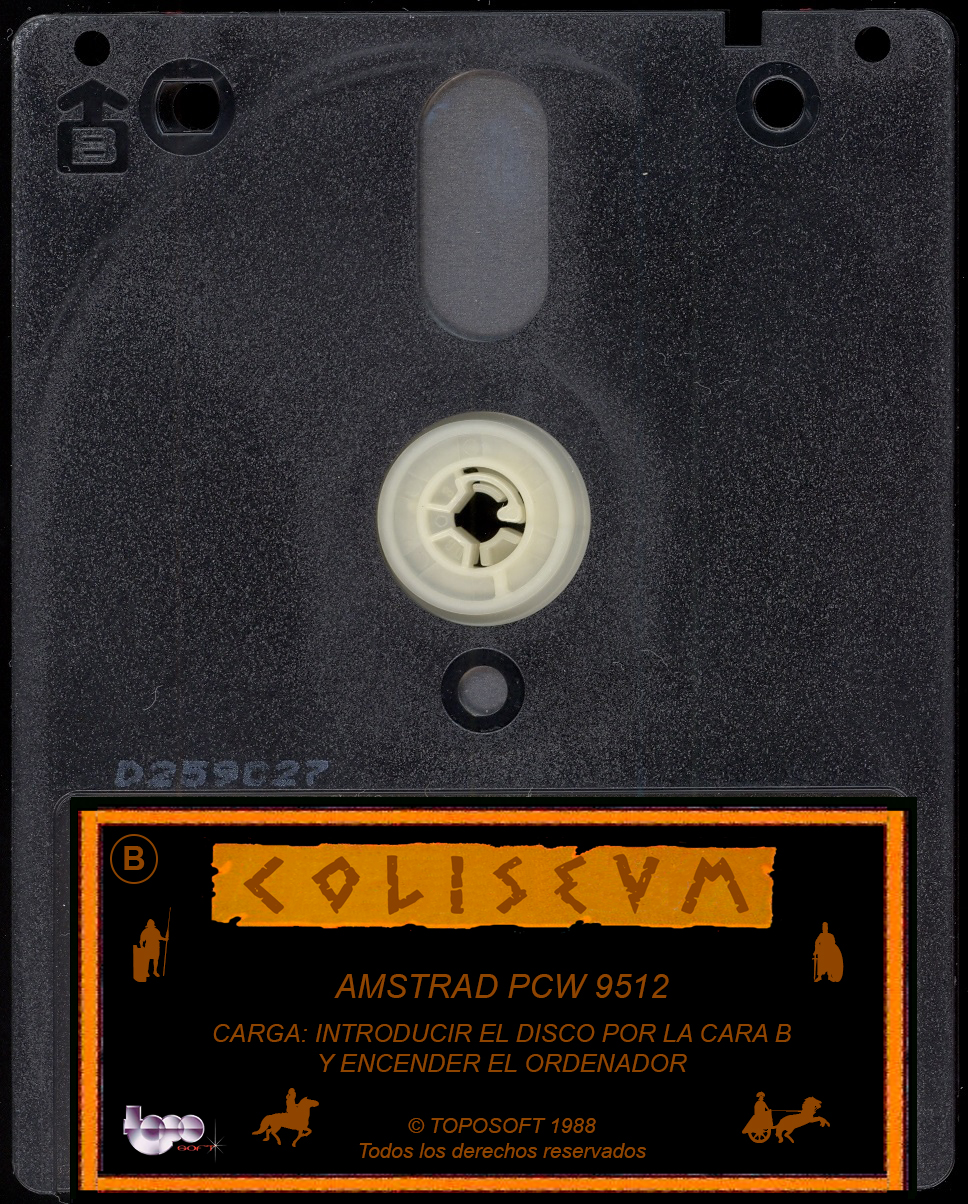
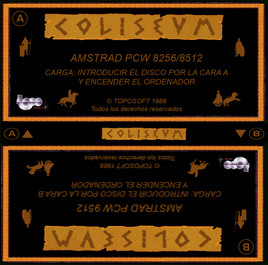
Disk Labels
Printing dimensions for 3“ floppy disks (Height: 7.00 cm - Width: 7.10 cm).
Extras
Keyboard and Controls
This version optimizes the keyboard matrix reading routines to avoid any input lag or ghosting effects during the race. The game features an initial configuration menu that allows players to fully redefine all action keys to their liking. Additionally, it offers native out-of-the-box support for digital joysticks under the classic DK'Tronics standard. In the audio department, the engine implements direct buffered sound routines for the computer's internal speaker (preventing frame drops in the scroll) and features full compatibility with the DK'Sound expansion hardware to play the original Topo Soft melody with maximum channel fidelity. The default controls are:
Q Key:Move Up / Upper Lane (Redefinible)
A Key:Move Down / Lower Lane (Redefinible)
O Key:Brake / Reduce Speed (Redefinible)
P Key:Accelerate / Whip the Horses (Redefinible)
SPACEBAR:Use the Whip Against Opponents (Redefinible)
Tips and Tricks to Beat the Game
• Select Your Favorite Visual Style: When booting up Enrique Gálvez's port on a classic monochrome PCW, try alternating between Simple, Patterns, and Dither styles to find the best contrast for your green phosphor monitor.
• Monitor Chariot Damage: A damage gauge is displayed at the bottom of the user interface. Avoid continuous collisions with the arena walls or rival chariots to prevent your vehicle from being destroyed prematurely.
• Strategic Whip Management: Do not use your whip only to push your horses to their limits. When an opponent pulls up alongside you, press the action button to strike them and force them out of your way.
• Memorize Arena Obstacles: Rocks, debris from wrecked chariots, and potholes will appear along the track. Anticipate your lane changes quickly using the vertical movement controls.
• Speed Pacing: Entering sharp curves at maximum speed inside the Coliseum may cause you to lose control of your chariot. Subtly reduce your speed as you approach the most dangerous turns.
Poster
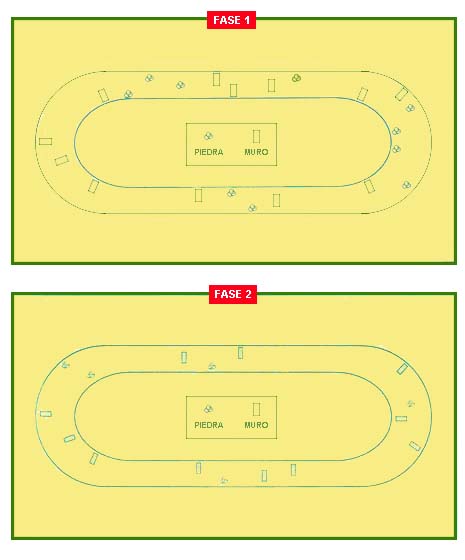
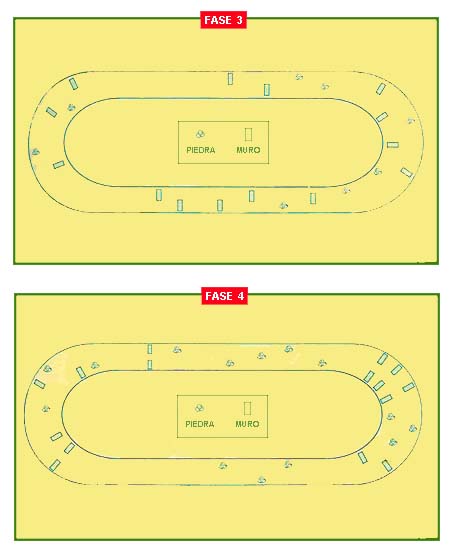
Maps
Cartographic blueprints of the different tracks throughout the Empire to guide our auriga during the competition.
Available Downloads
Game File
Manuals
Videos
{{youtube>l9xUdXUJv0g?large}}