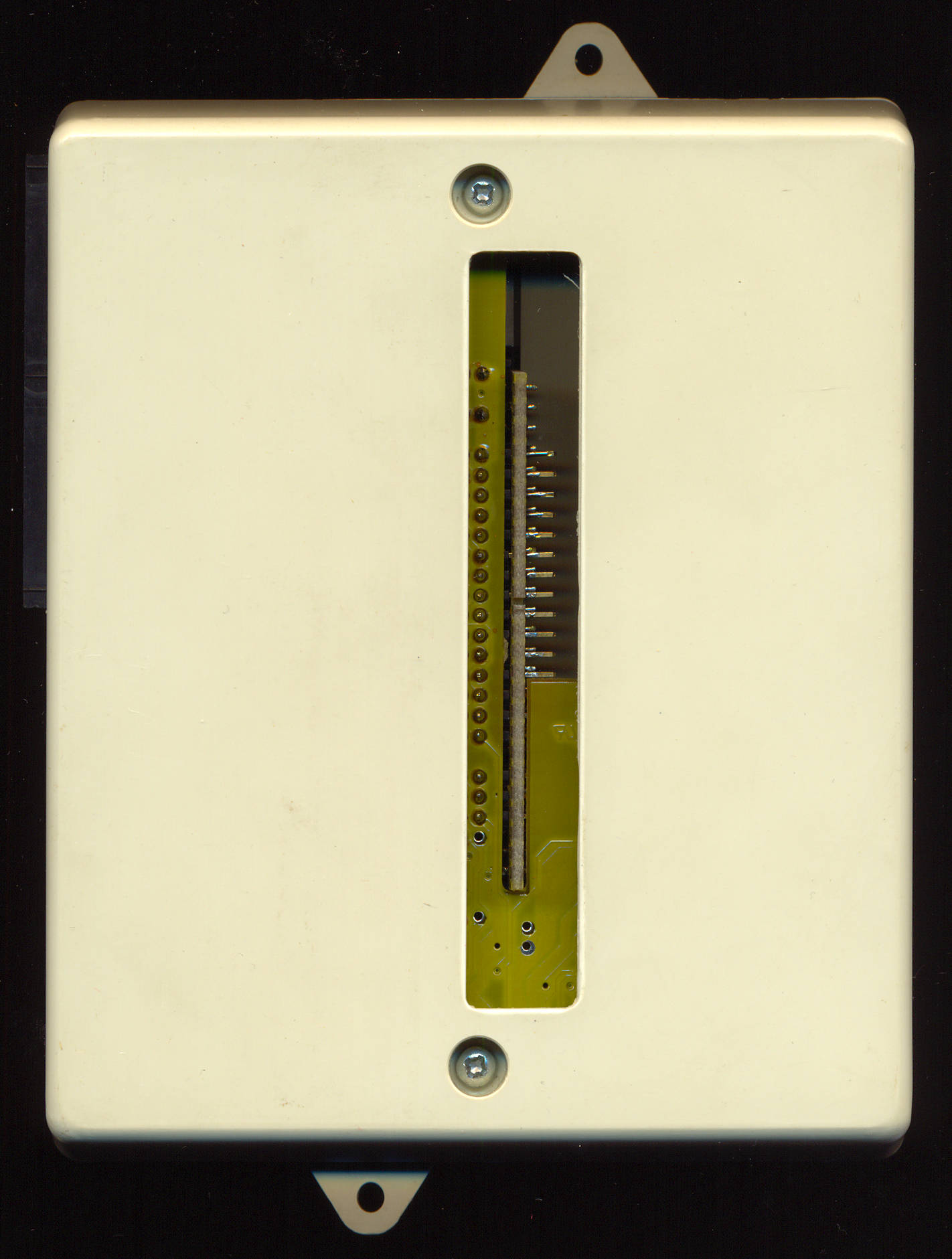
The GEM Drive from Cirtech is a solid-state mass storage device (Silicon RAM Drive) that connects to the lateral expansion port of the Amstrad PCW 8000 series.
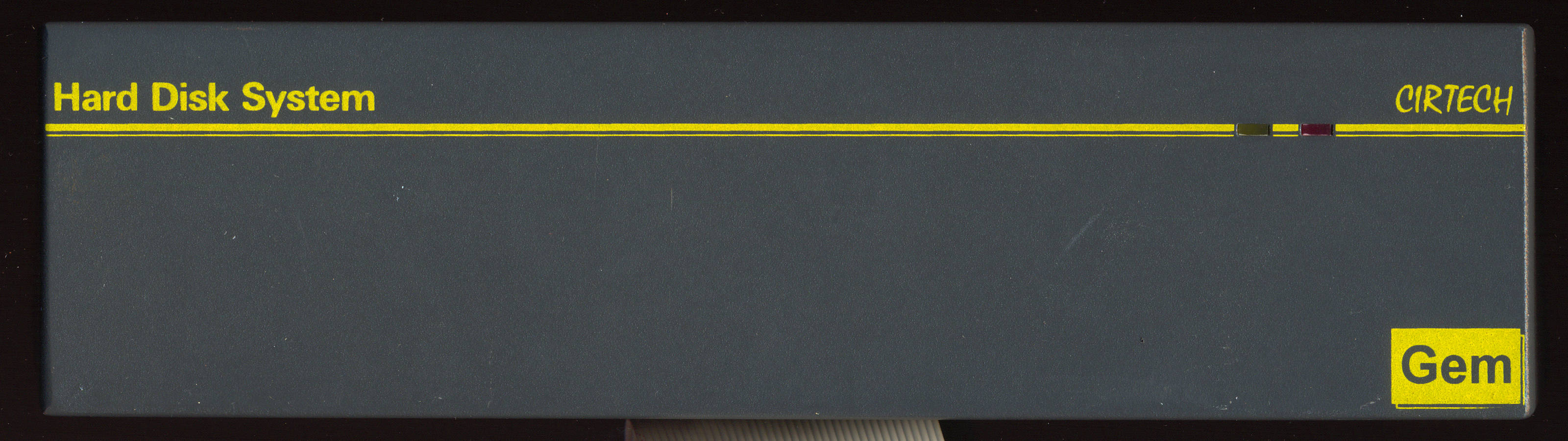
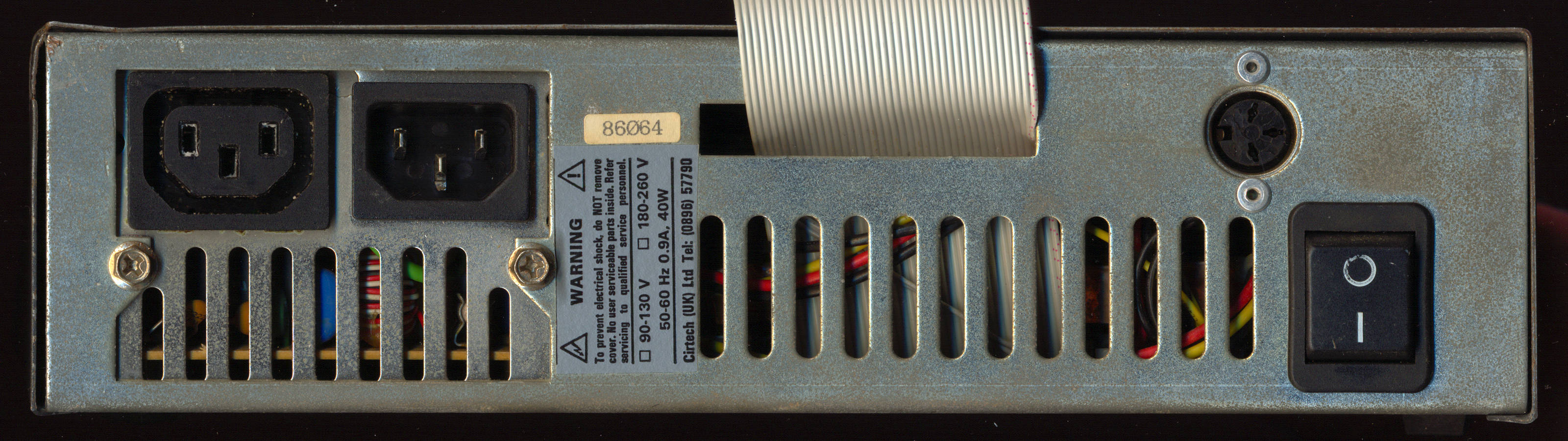
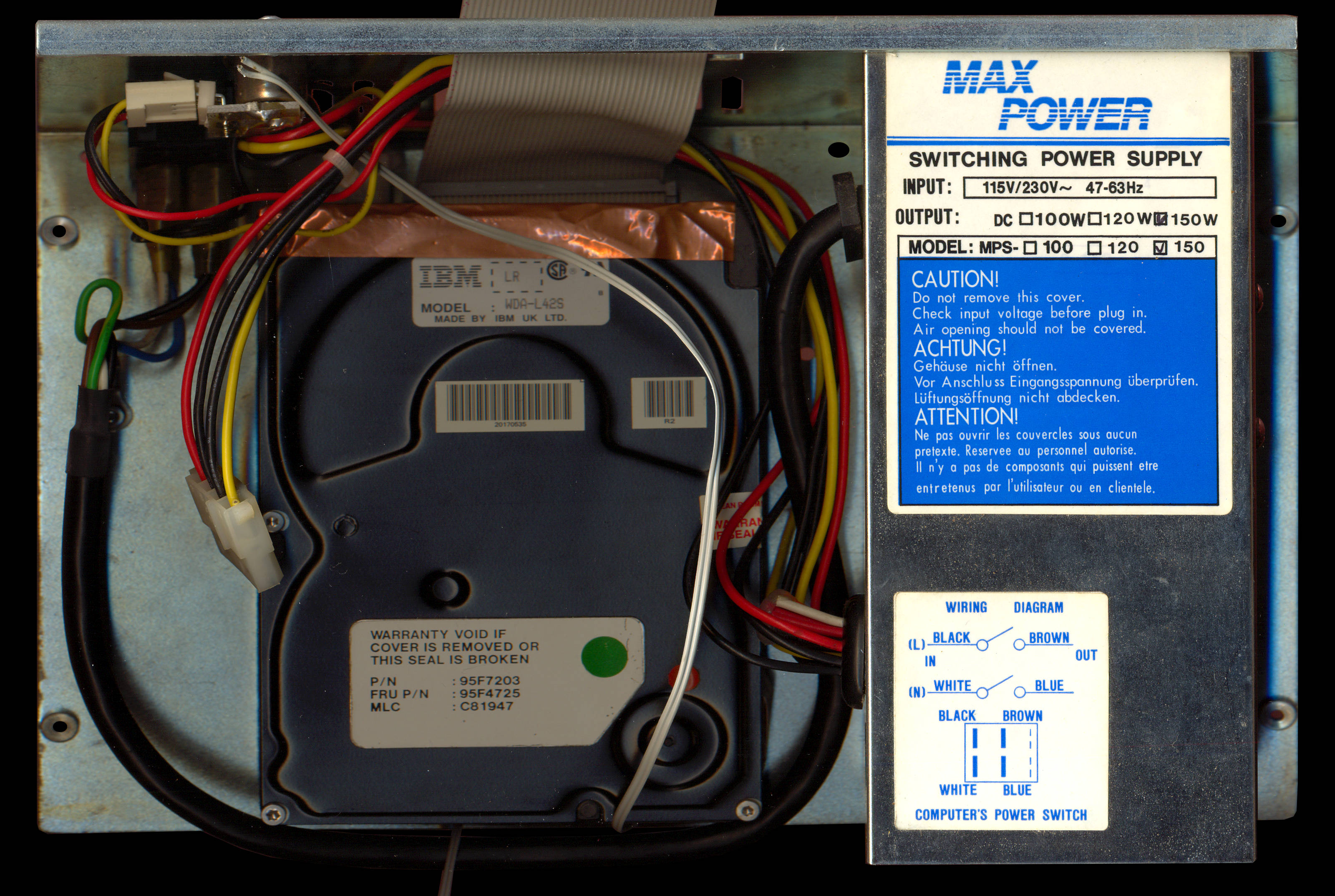
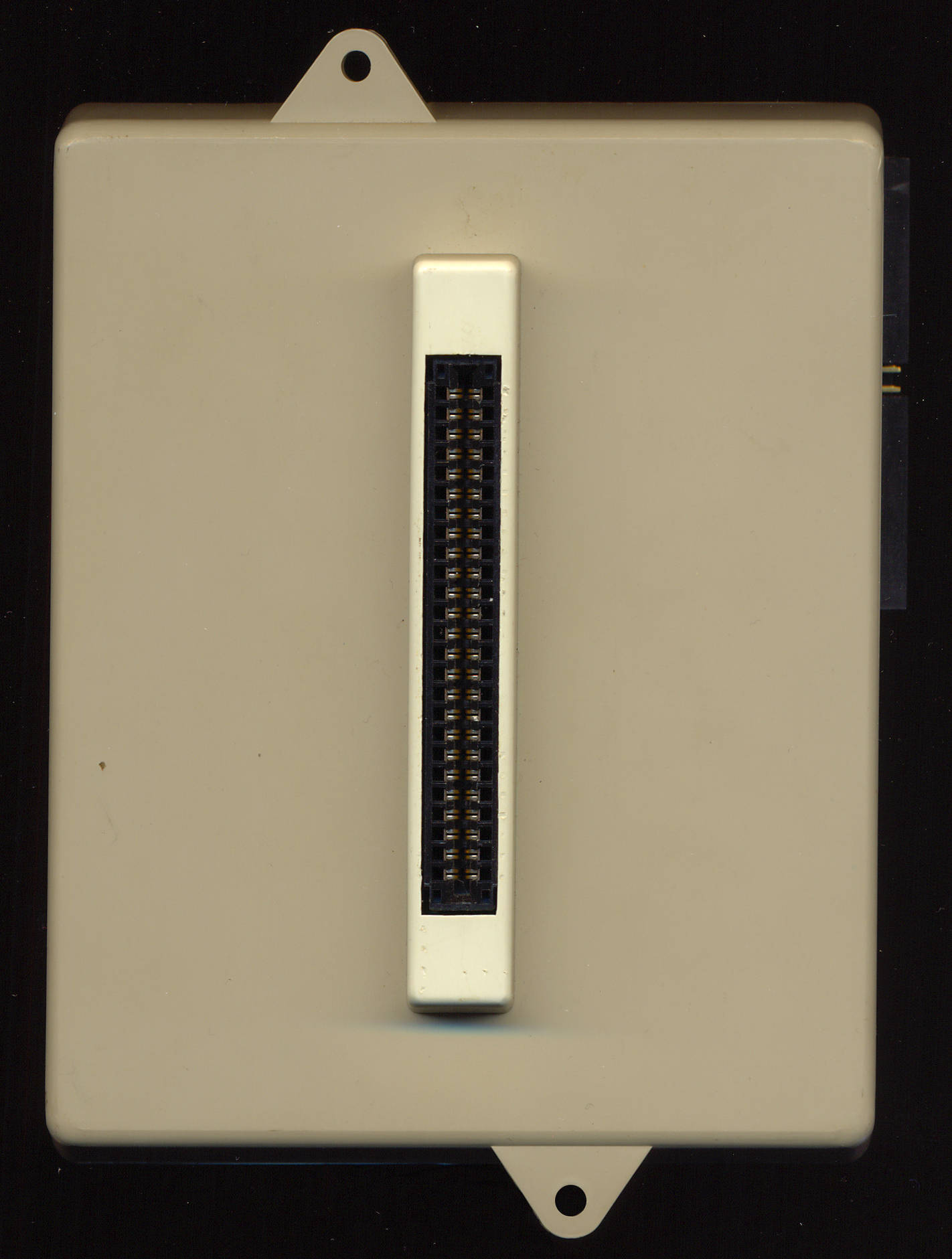
A> GEM DRIVE
Hardware Images
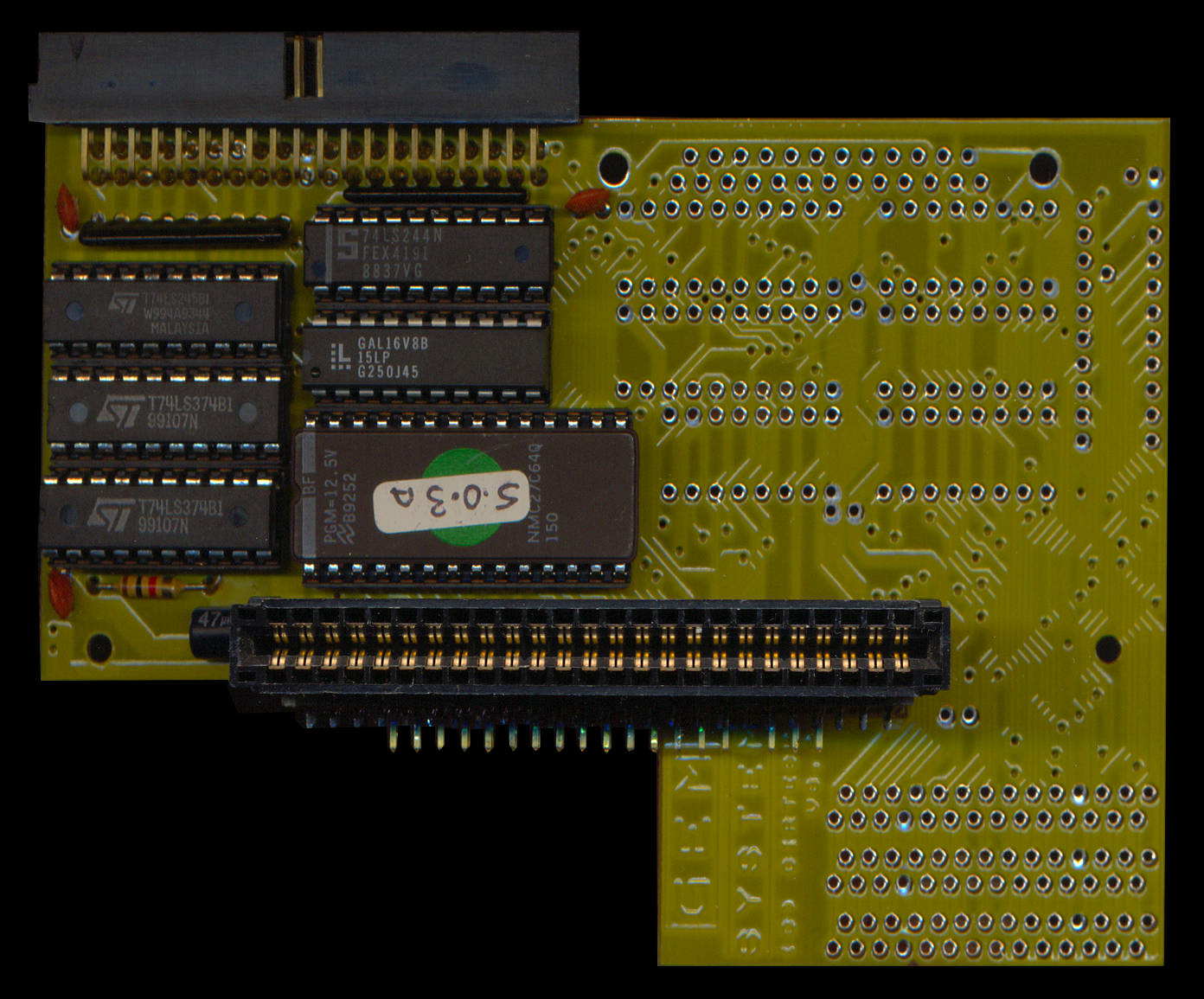
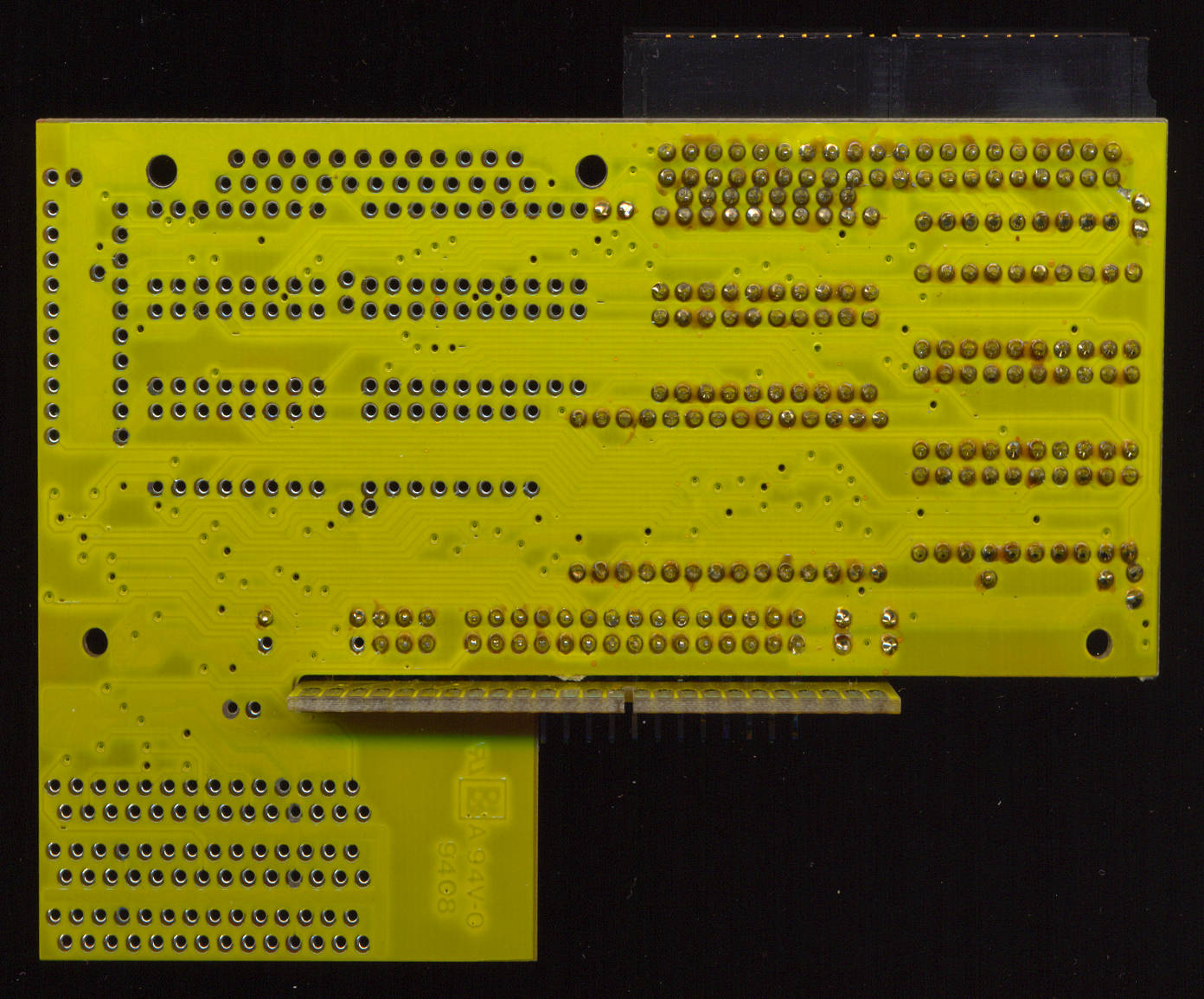
Unit FrontUnit RearUnit InteriorInterface FrontInterface RearInterface PCB TopInterface PCB BottomDescription, Context and Preservation History
Marketed in the United Kingdom and European markets in the late 1980s by the prestigious Scottish firm Cirtech, the GEM Drive stands as one of the most advanced and optimized solid-state secondary storage peripherals for the Amstrad PCW range. In terms of historical preservation, there was significant confusion in technical literature that erroneously classified this device as a mechanical hard drive or a conventional external floppy drive. In reality, it is a **non-volatile silicon disk unit (Silicon RAM Drive)** based on static or dynamic random-access memory chips with continuous physical power backup provided by an onboard battery system.
The naming of this peripheral stems from a strategic commercial engineering decision: resolving the severe performance limitations encountered by the Amstrad PCW when running Digital Research's **GEM (Graphics Environment Manager)** desktop environment. The GEM system and its native professional desktop publishing applications (such as MicroDesign 2, OCP Advanced Art Studio, or advanced word processors) required constant read and write operations for system files, screen font libraries, and mouse drivers. Performing these accesses on the slow, native 3-inch, 180 KB mechanical floppy drives drastically bogged down the workflow and depleted available storage space. The GEM Drive provided an instantaneous virtual disk that multiplied data transfer rates and liberated the machine's mechanical drives.
Hardware Architecture and Non-Volatile Power Switching
. The circuit board and modular design of Cirtech's GEM Drive feature a robust electronic layout engineered to safeguard the entire file system even when the host computer is powered off:
- Power Supervisor Subsystem and Accumulator Battery: To prevent the natural volatility of RAM chips when electrical current is disconnected, the PCB integrates a voltage supervisor circuit that constantly monitors the power rails of the PCW's expansion bus. While the computer is turned on, the peripheral draws power from the machine and keeps an internal Nickel-Cadmium (NiCd) or lithium accumulator battery pack fully charged. The instant the PCW is turned off, the supervisor switches the memory chip power lines over to the batteries in nanosegundos, preserving the disk's logical structure for months.
- Z80 Bus Pass-Through and Decoding Interface: The interface card connects directly to the PCW's 50-pin lateral expansion bus. Cirtech implemented double-sided edge connector pass-through traces on its PCB to ensure users would not lose connectivity with other mandatory office peripherals, such as the CPS8256 serial/parallel interface.
Memory Banking (Paging) and BIOS Patches
For seamless integration into the operating system and application software, Cirtech's engineering had to implement a memory mapping mechanism to bypass the CPU's native limits:
- CPU Addressing Window: The Zilog Z80 processor inside the Amstrad PCW features a 16-bit address bus, meaning it can only index up to 64 KB of memory simultaneously in its native map. To manage the massive storage arrays of the GEM Drive, the digital logic embedded within the interface opened a fixed window or transfer buffer mapped to the machine's Input/Output (I/O) address space. The software selected the active memory bank of the silicon disk by writing the page index into Cirtech's control register. Immediately after, it executed high-speed block transfer instructions (such as
LDIRorINIR), achieving instantaneous read and write transfer rates that completely pulverized mechanical floppy drives. - Automatic Boot Injection: The hardware kit bundled specialized utility software designed for the CP/M Plus operating system environment. During the system boot phase, a resident device driver—acting as a low-level patch inside the BIOS layout—dynamically modified the system block allocation vectors. This allowed CP/M Plus to automatically recognize the GEM Drive as a native, permanent hard drive independent from the computer's volatile RAM disk (Drive M:). Consequently, fixed logical drive letters (frequently Drive C: or Drive D:) were assigned and dedicated exclusively to hosting the core binaries of the GEM desktop environment.