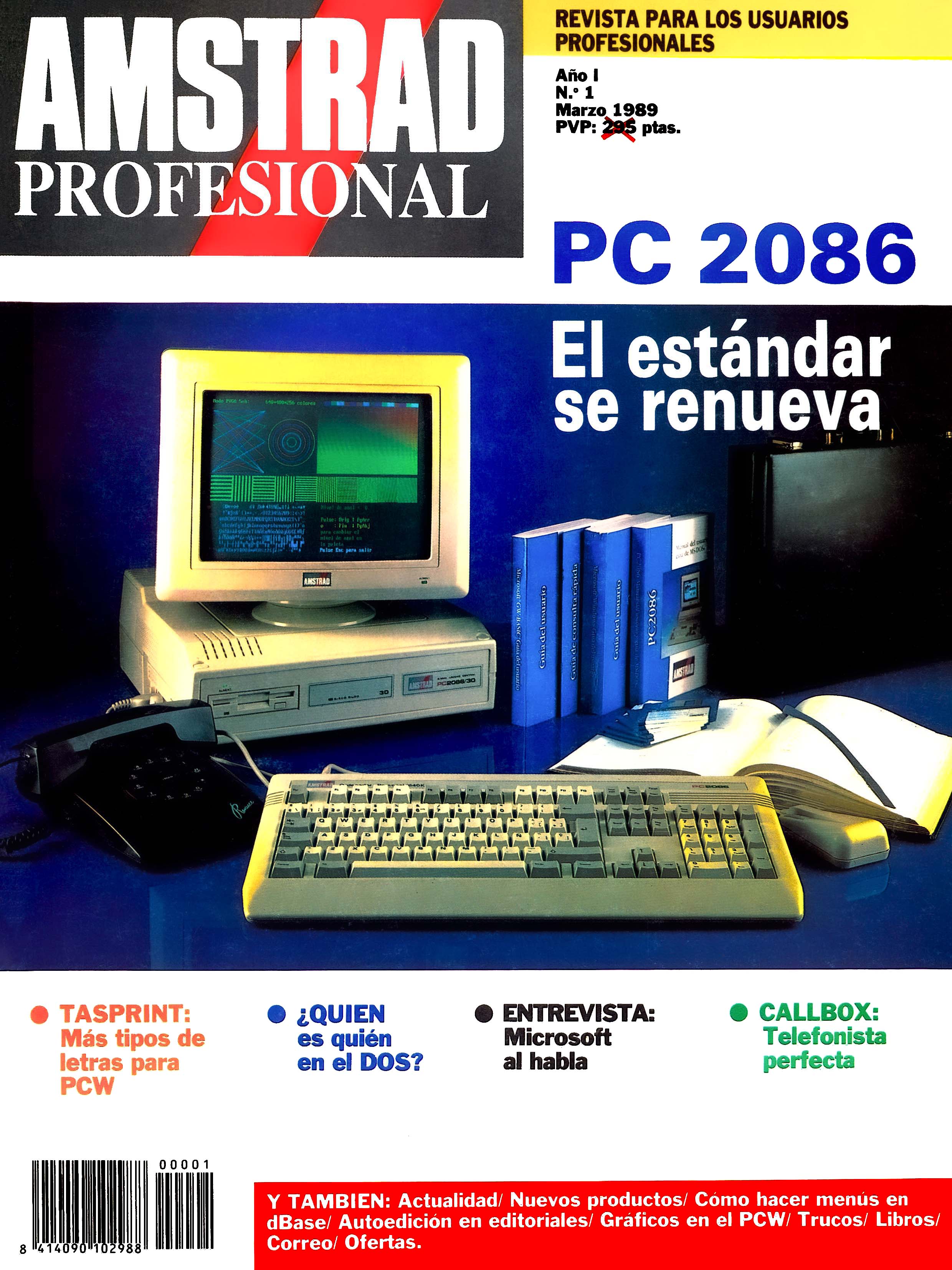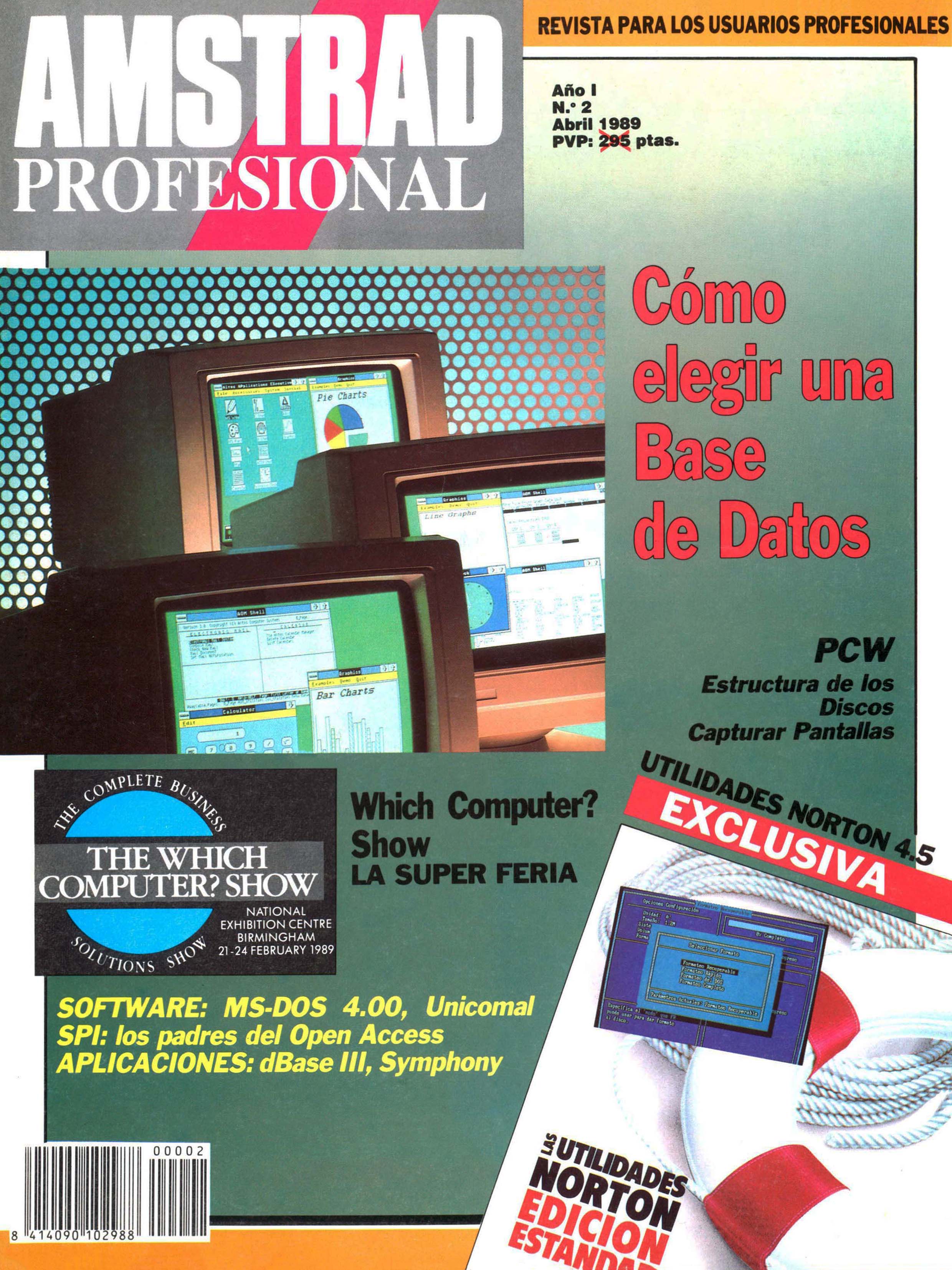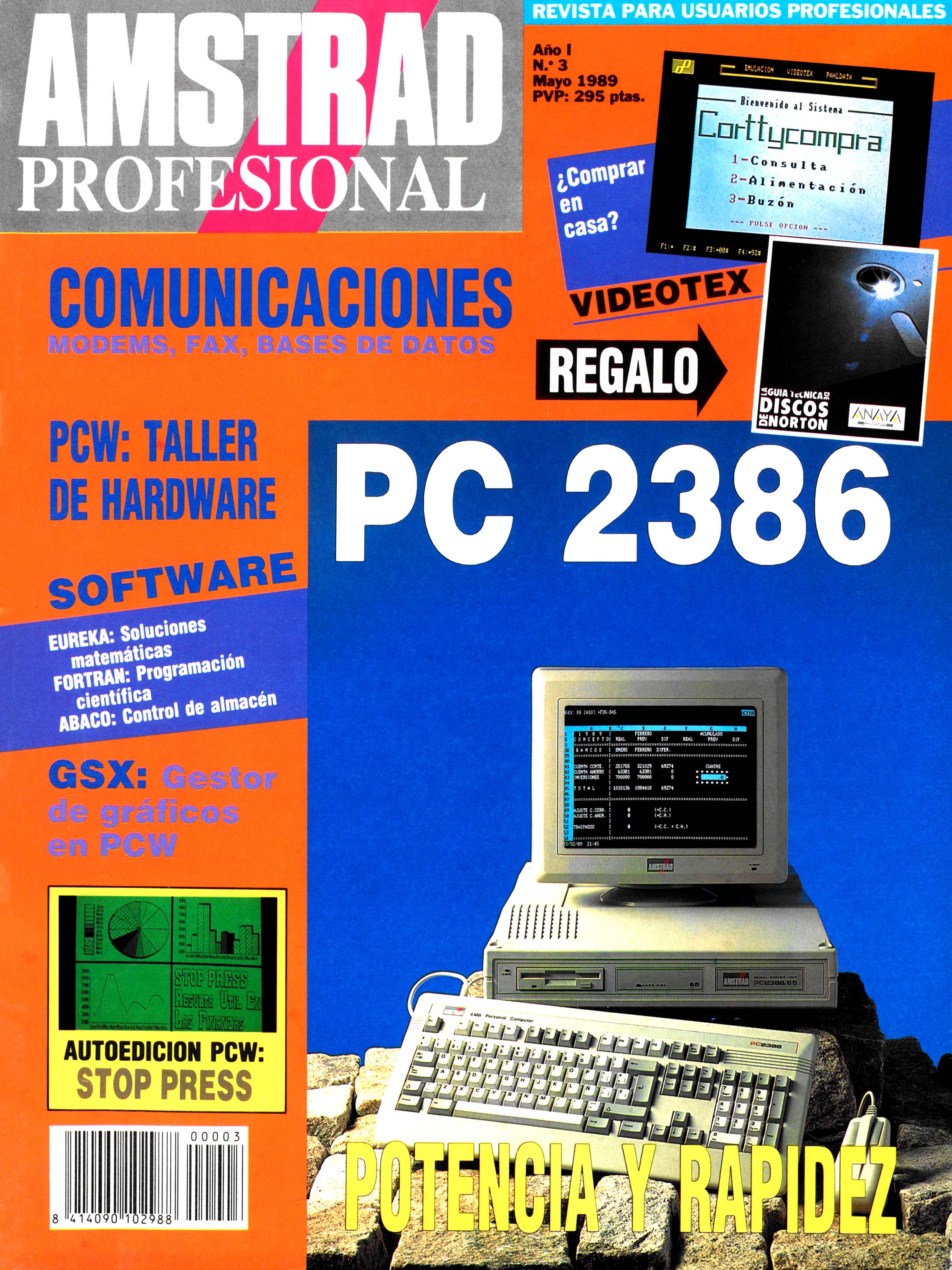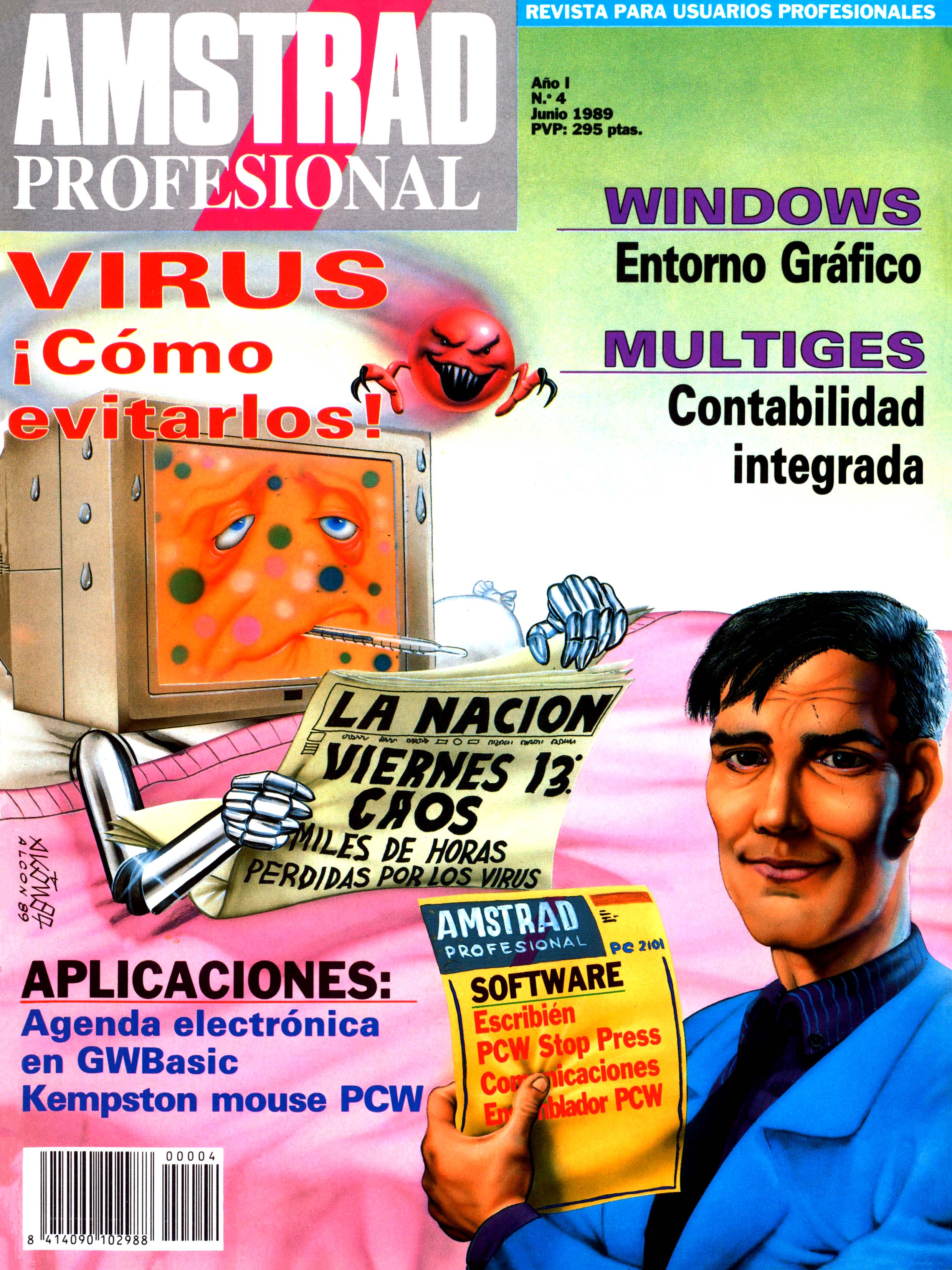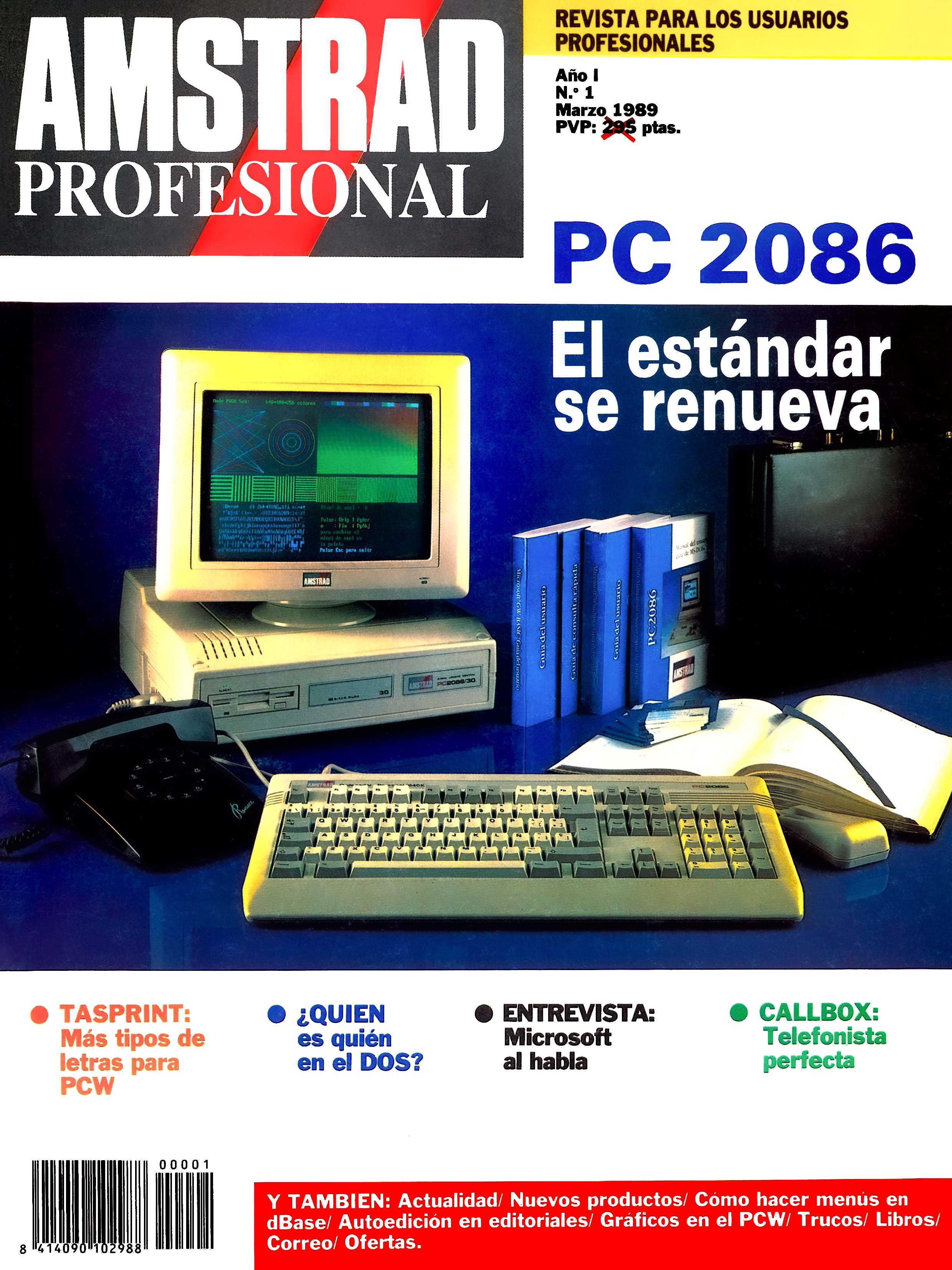
TECHNICAL DATA SHEET

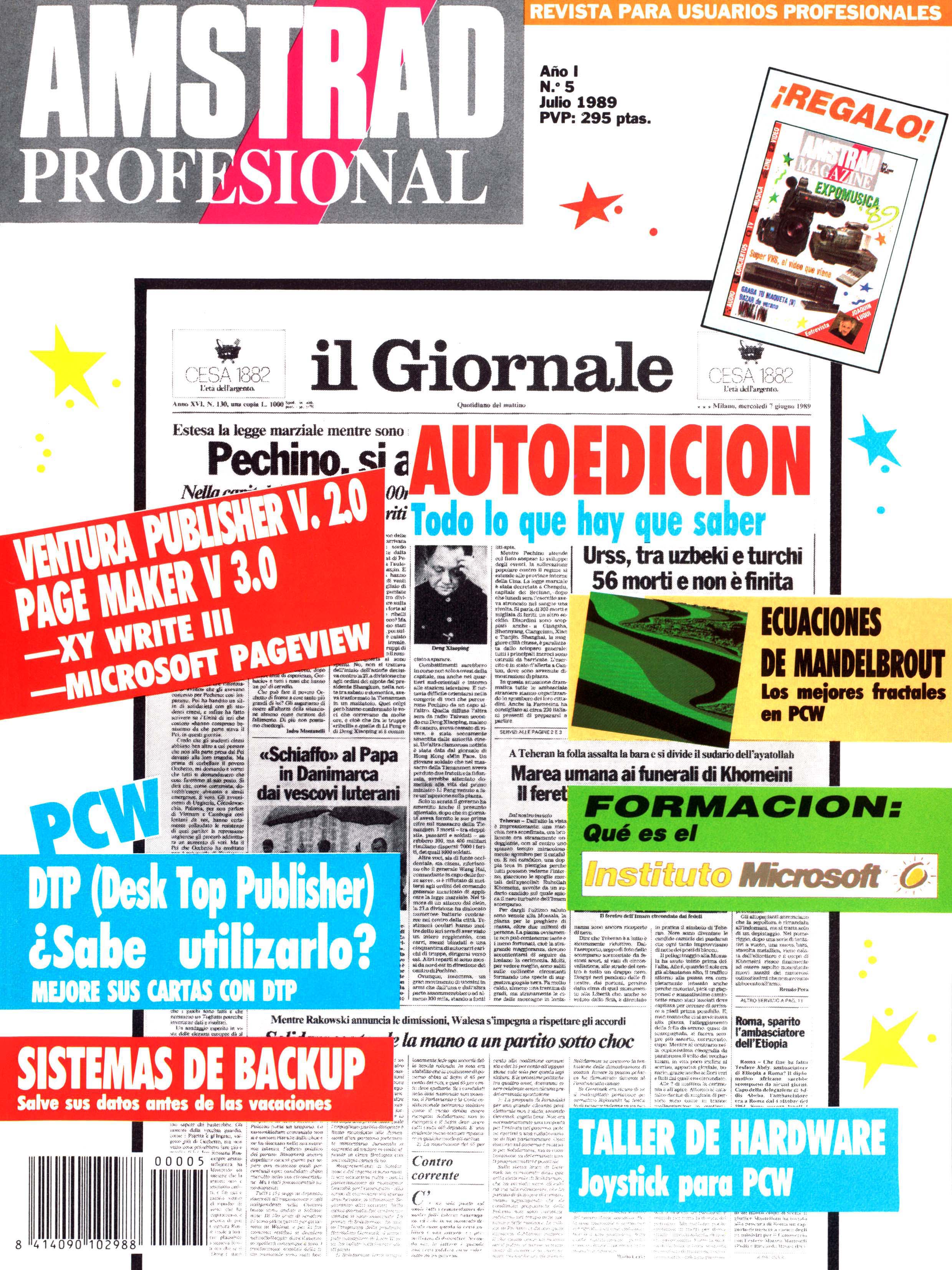
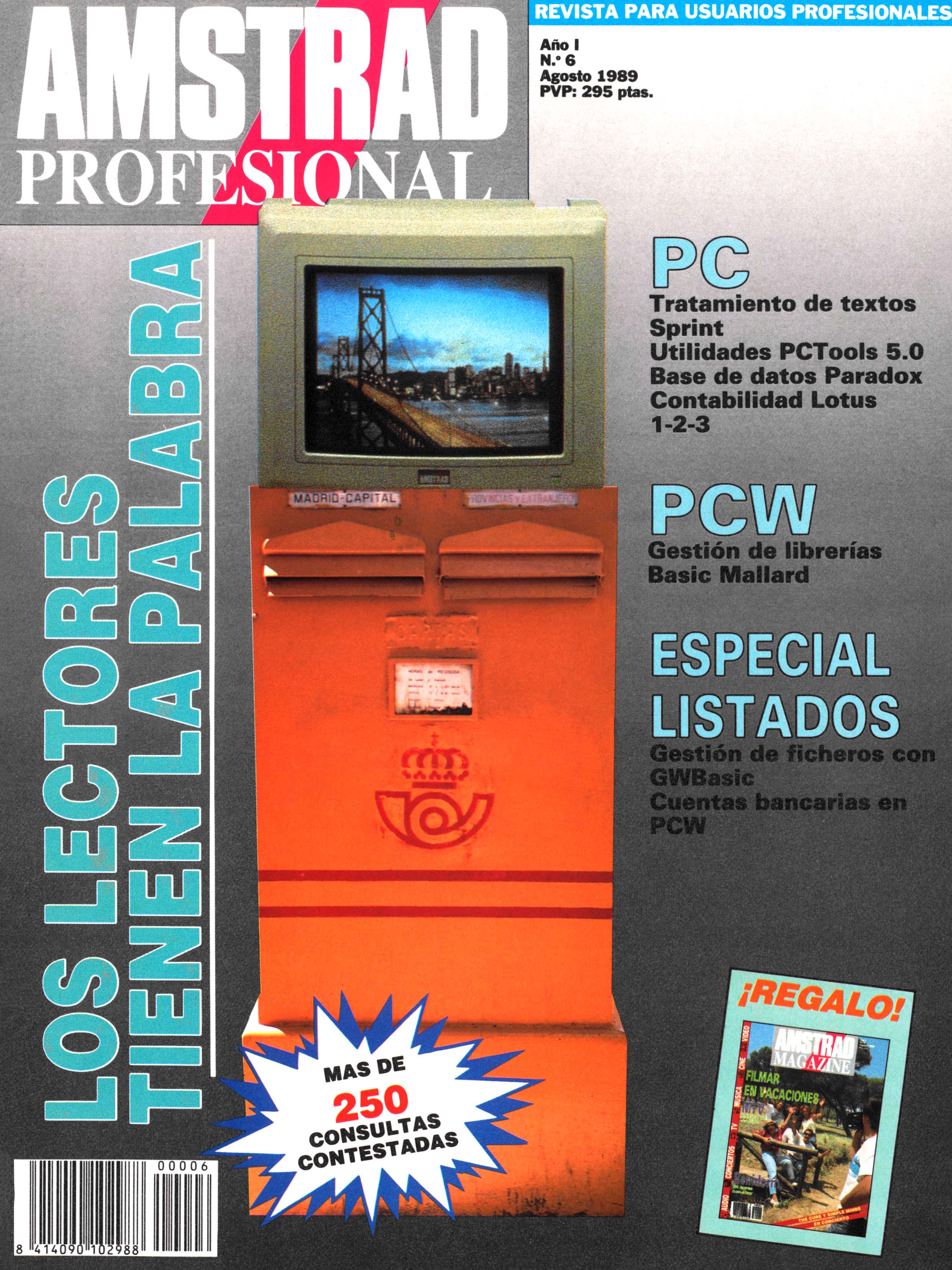
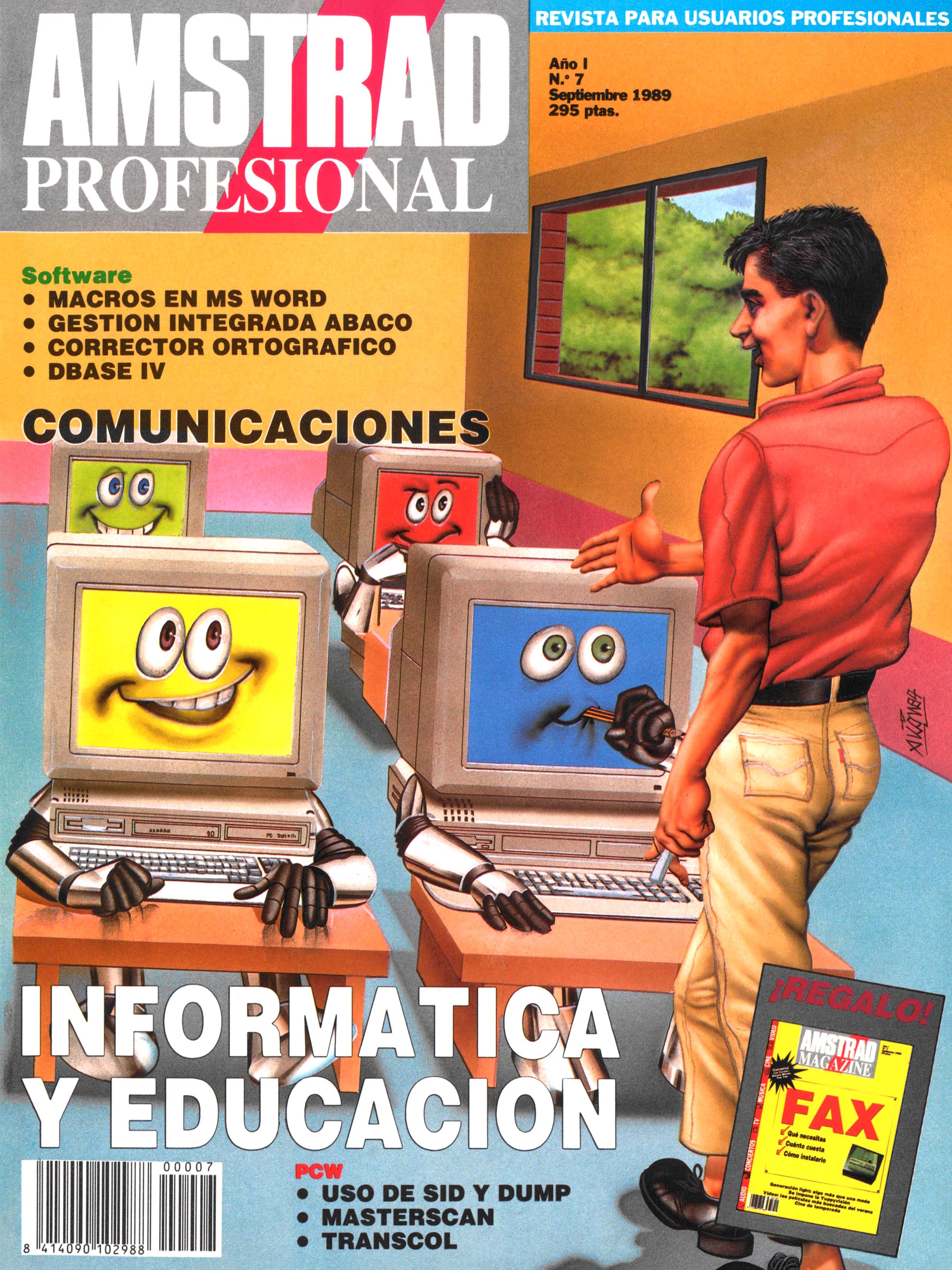
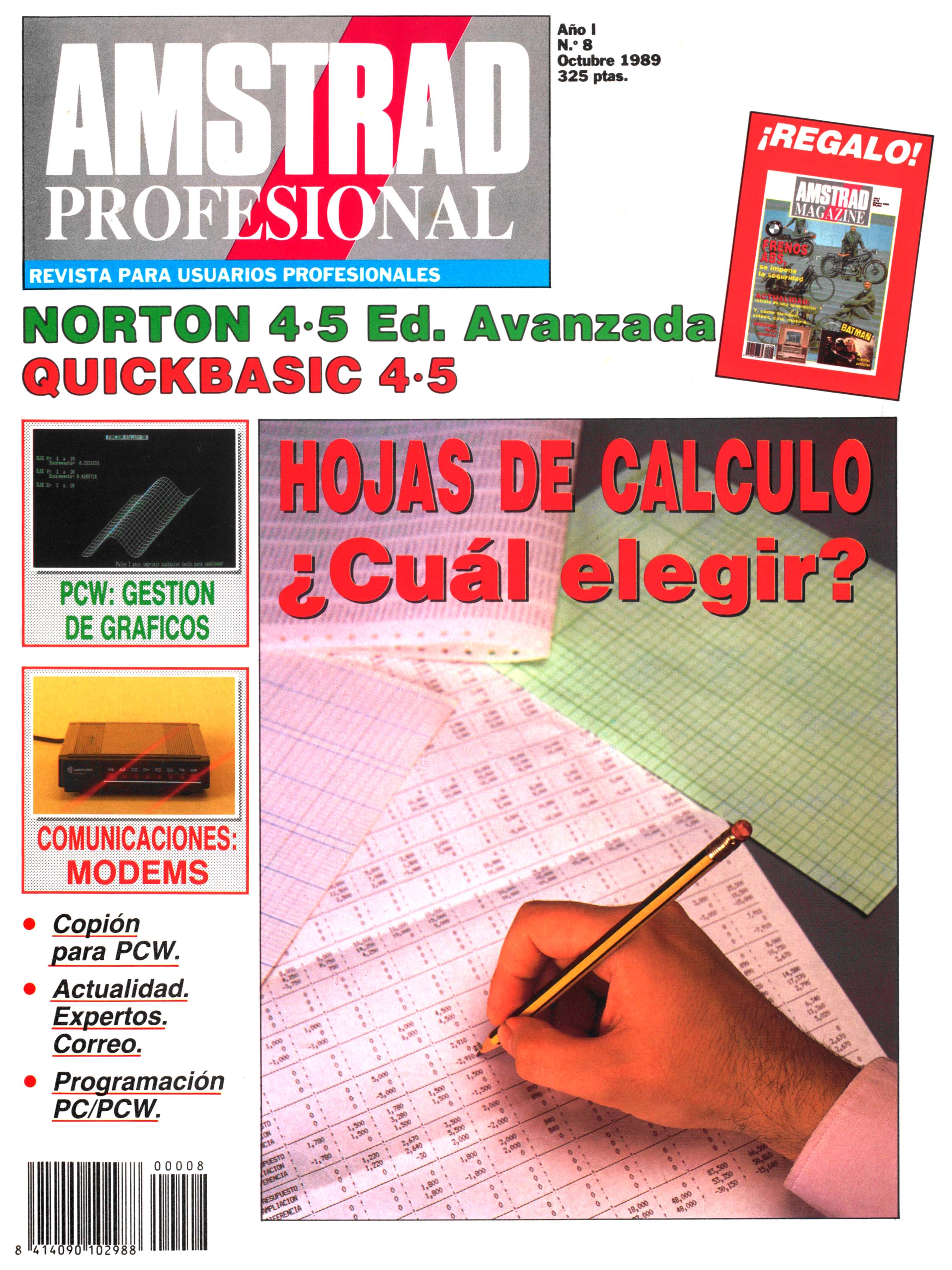
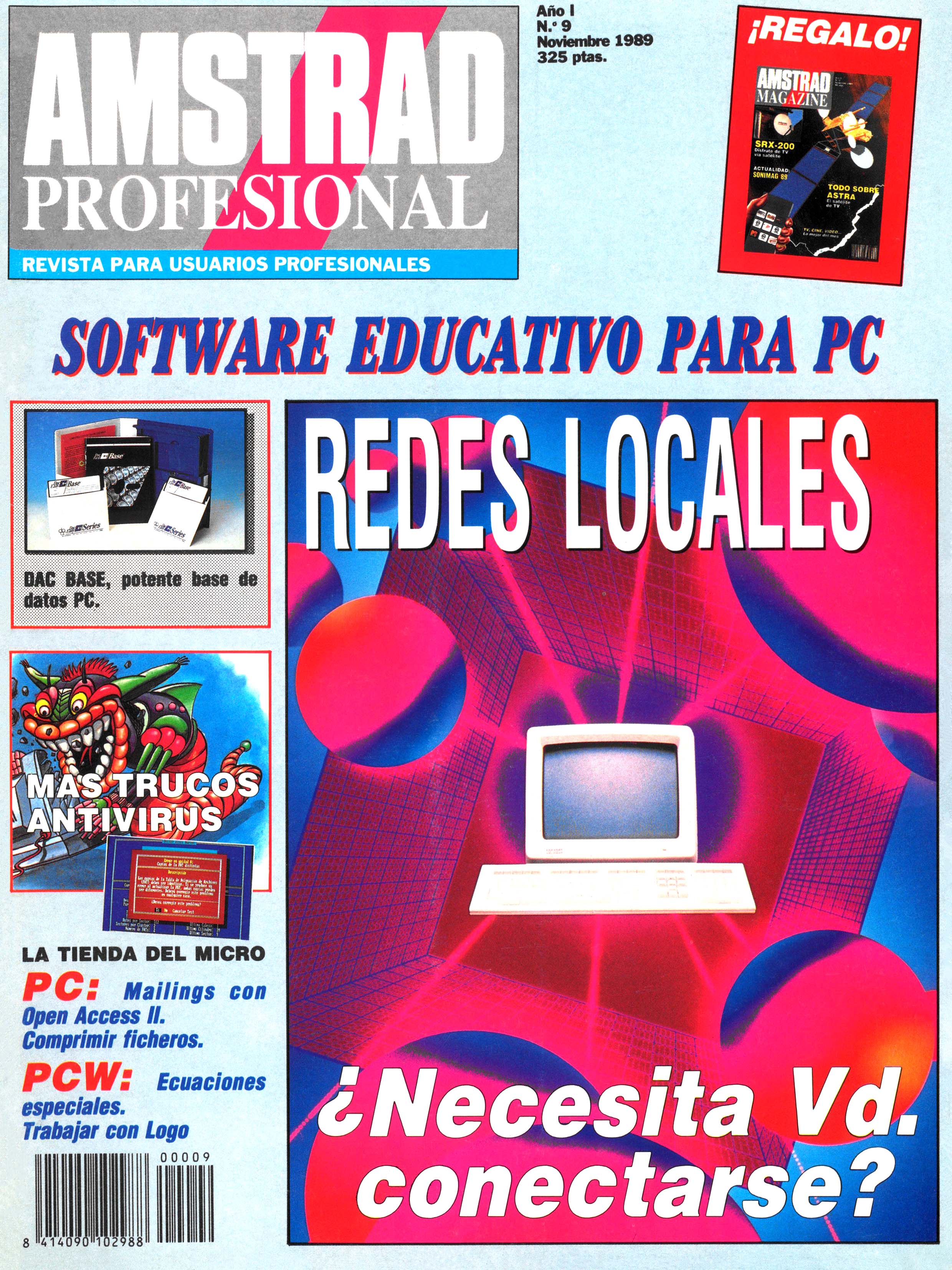
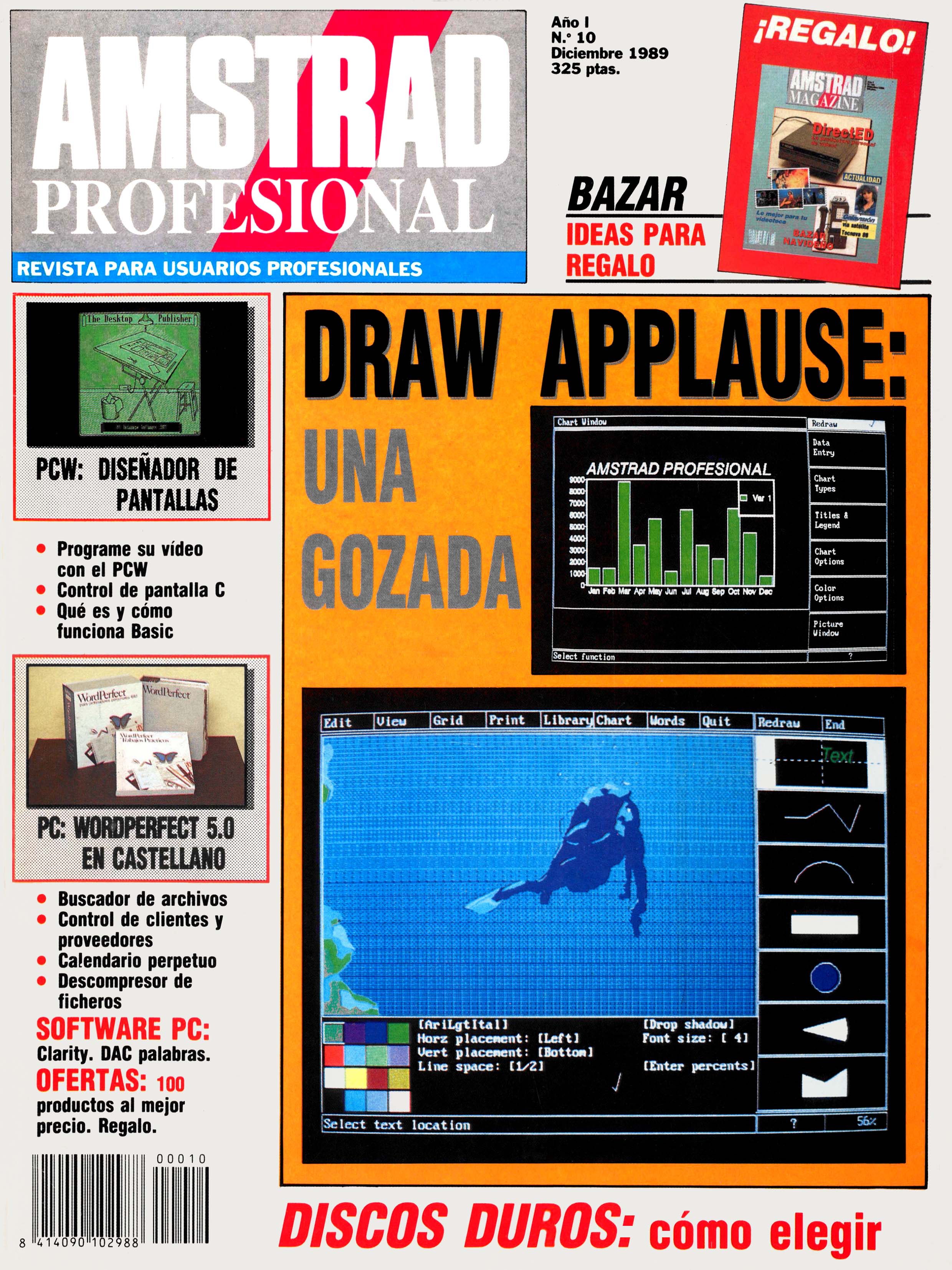
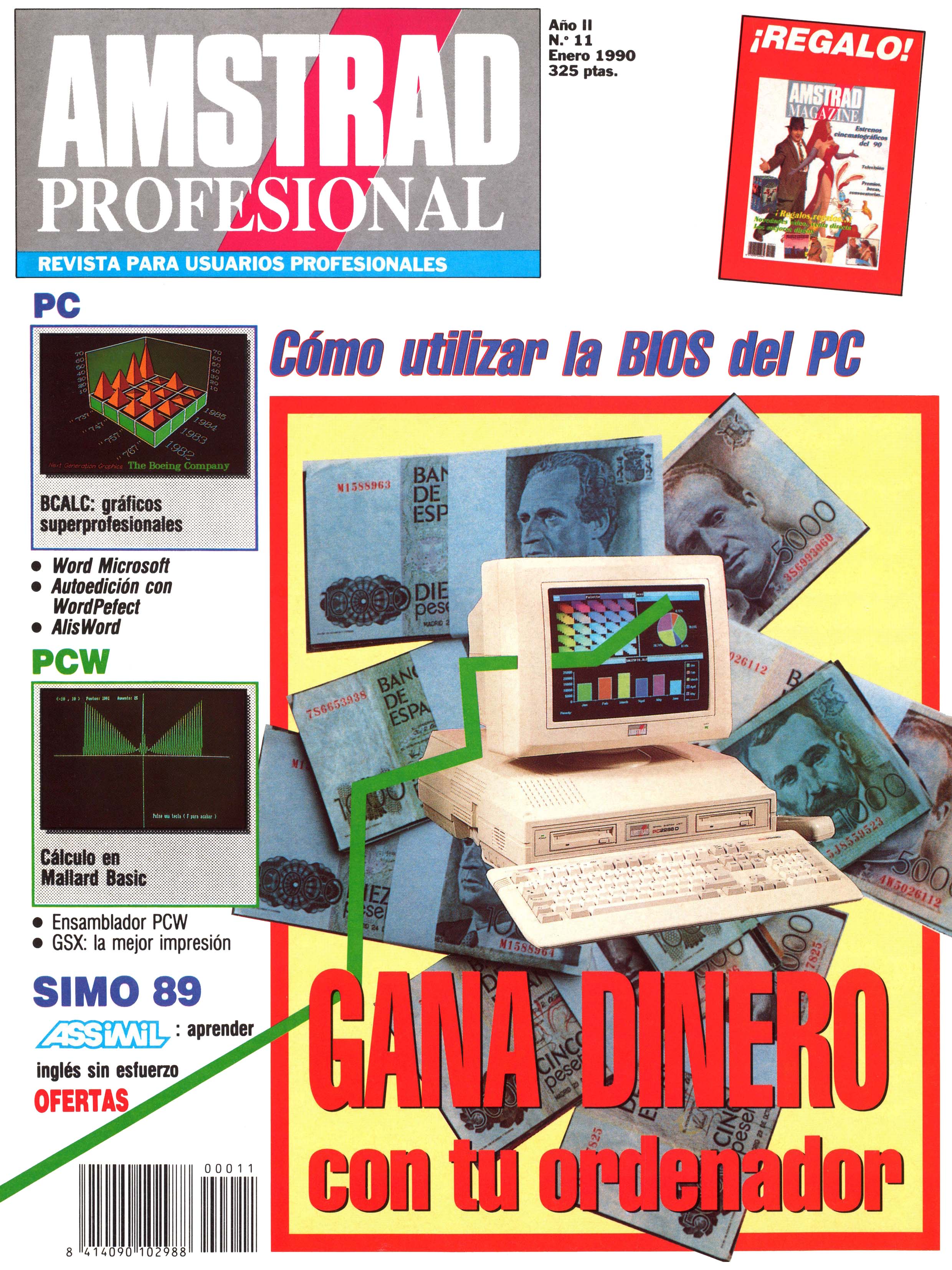
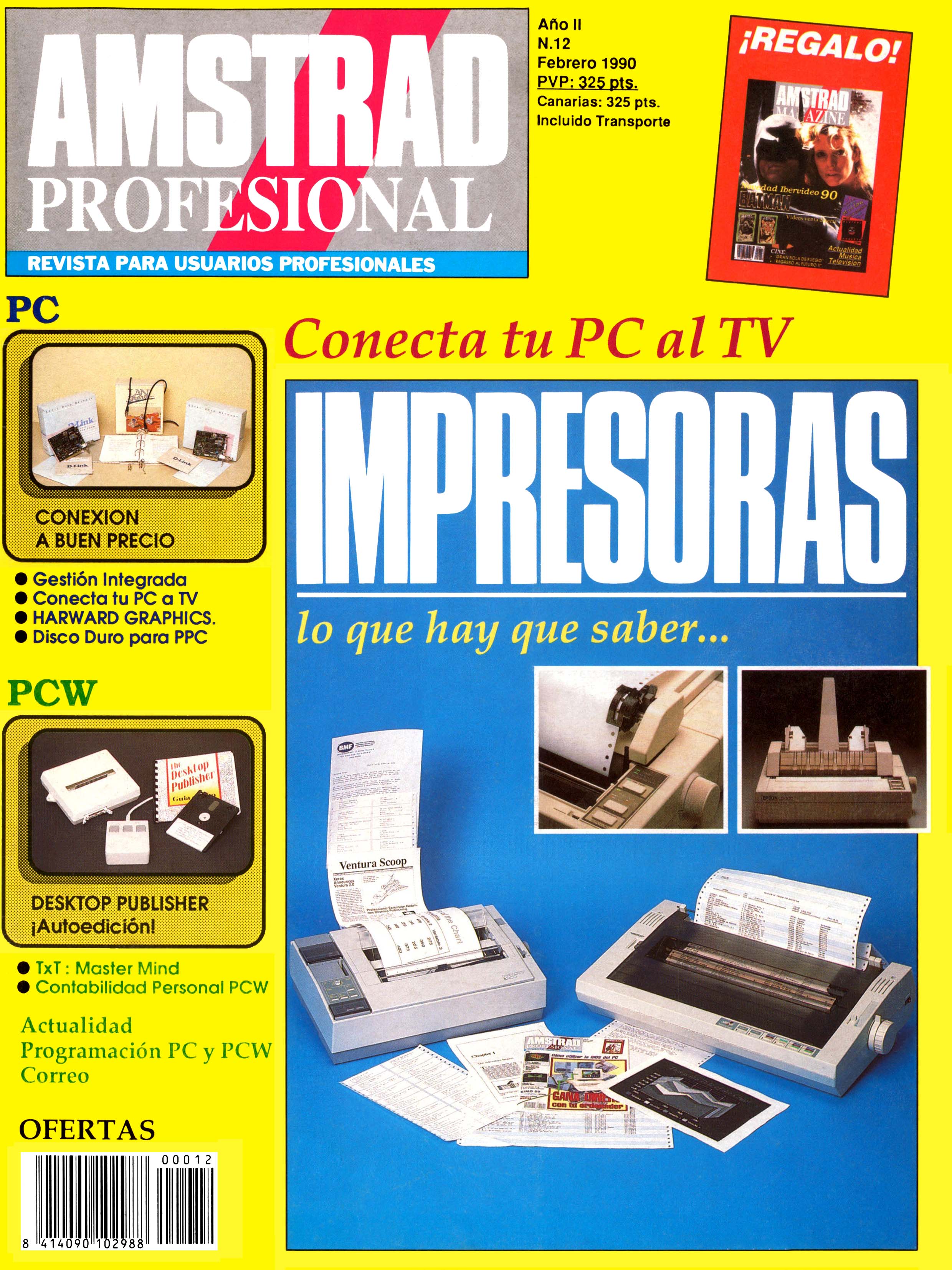
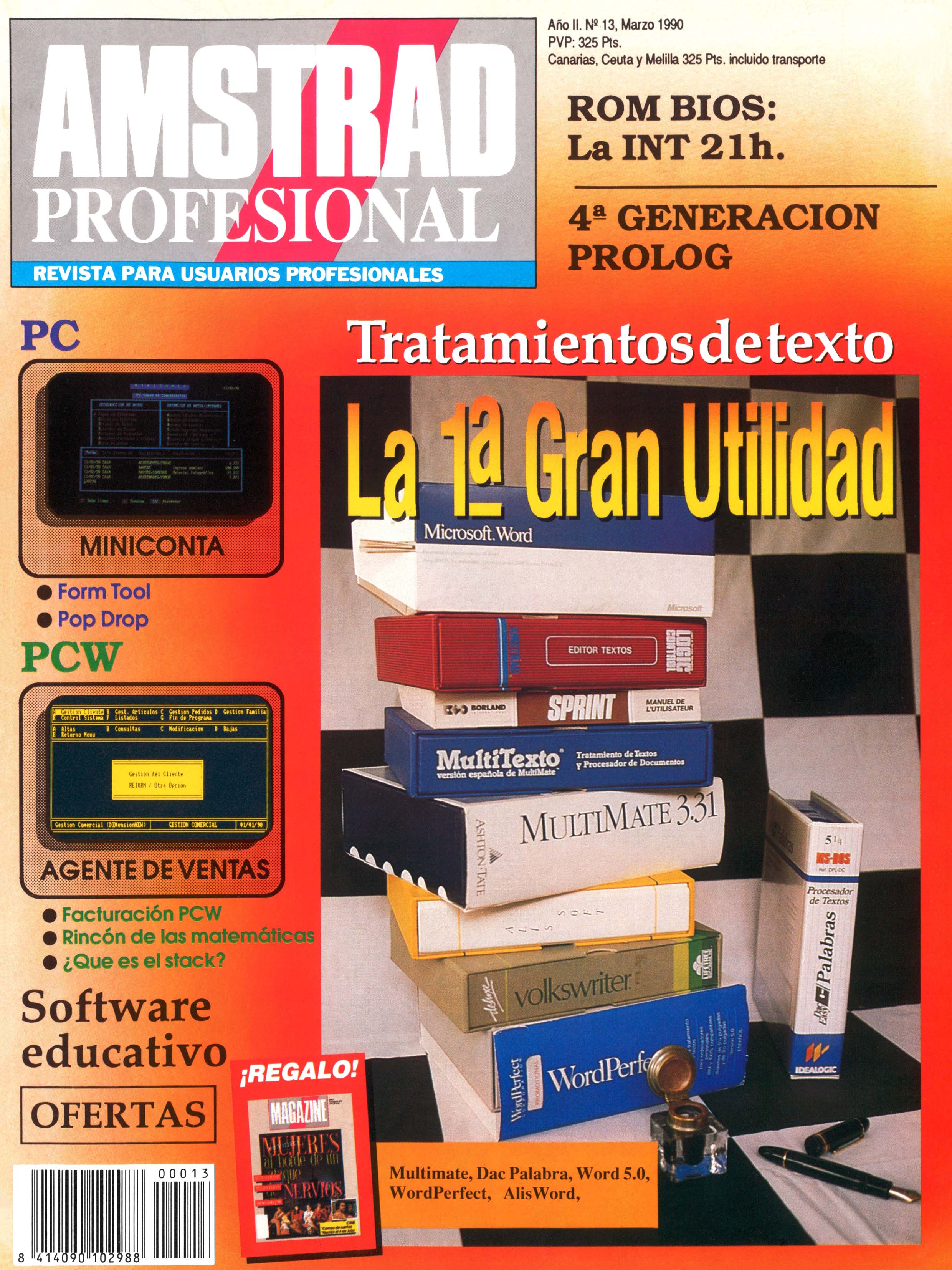
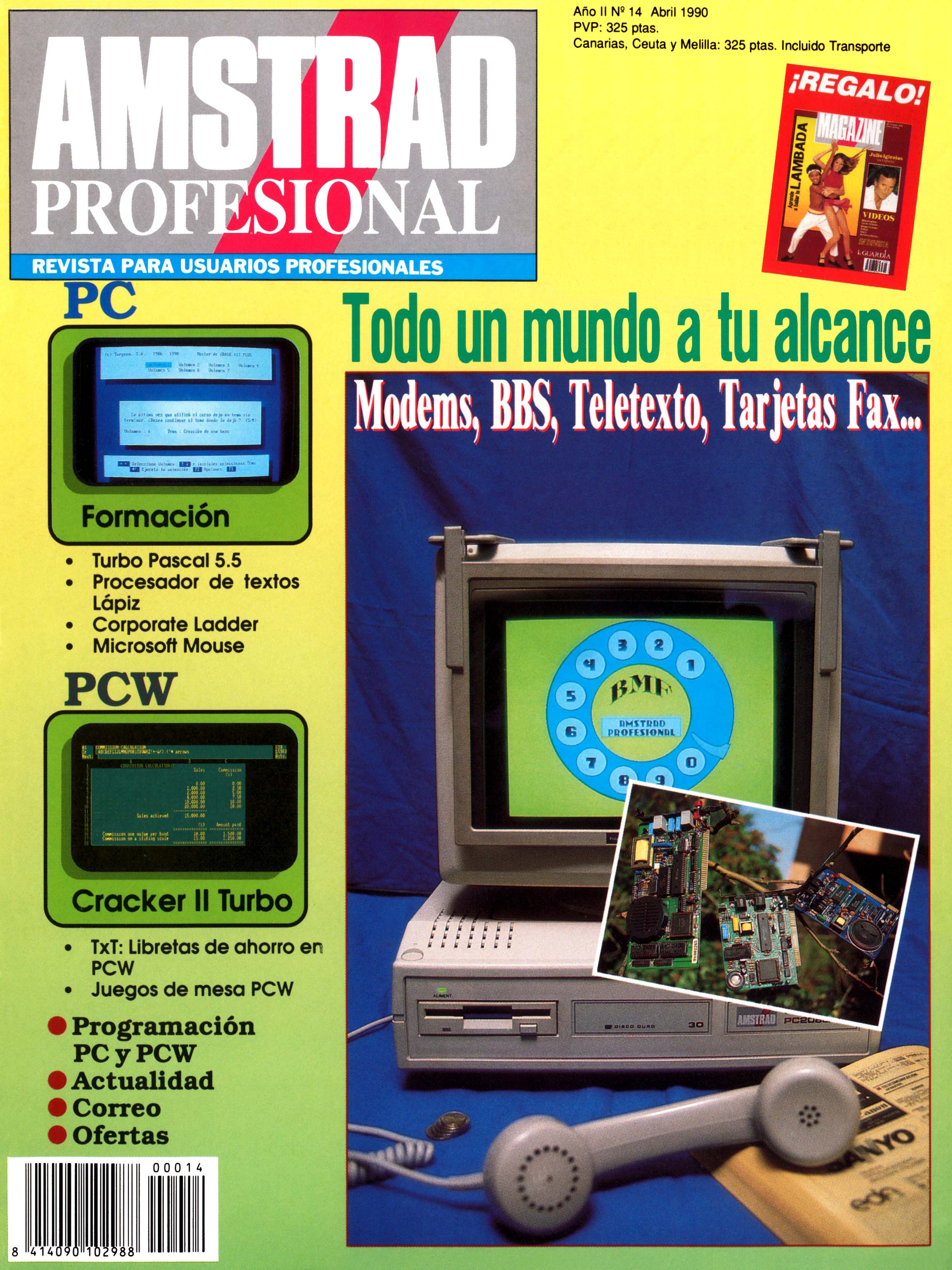
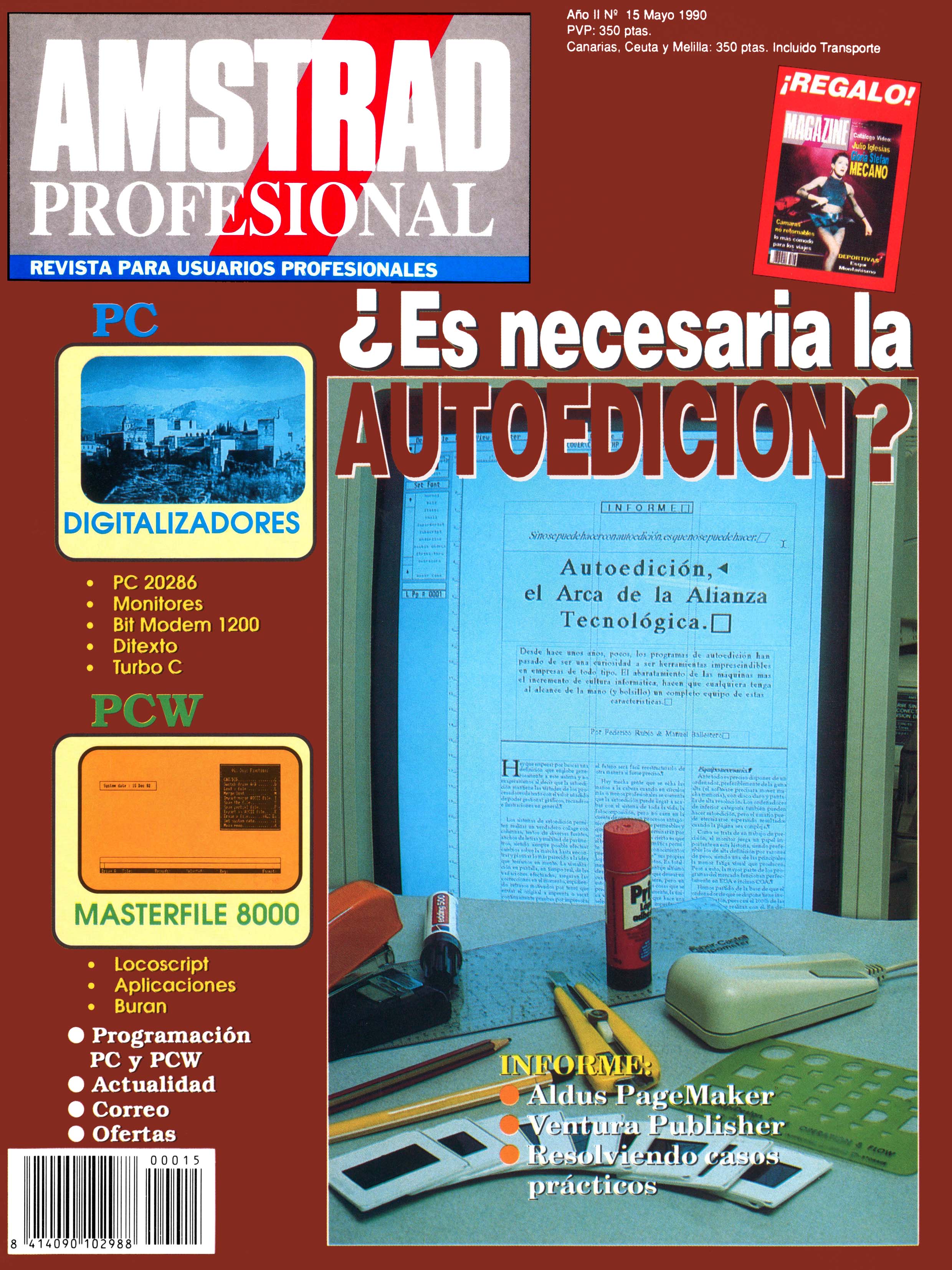
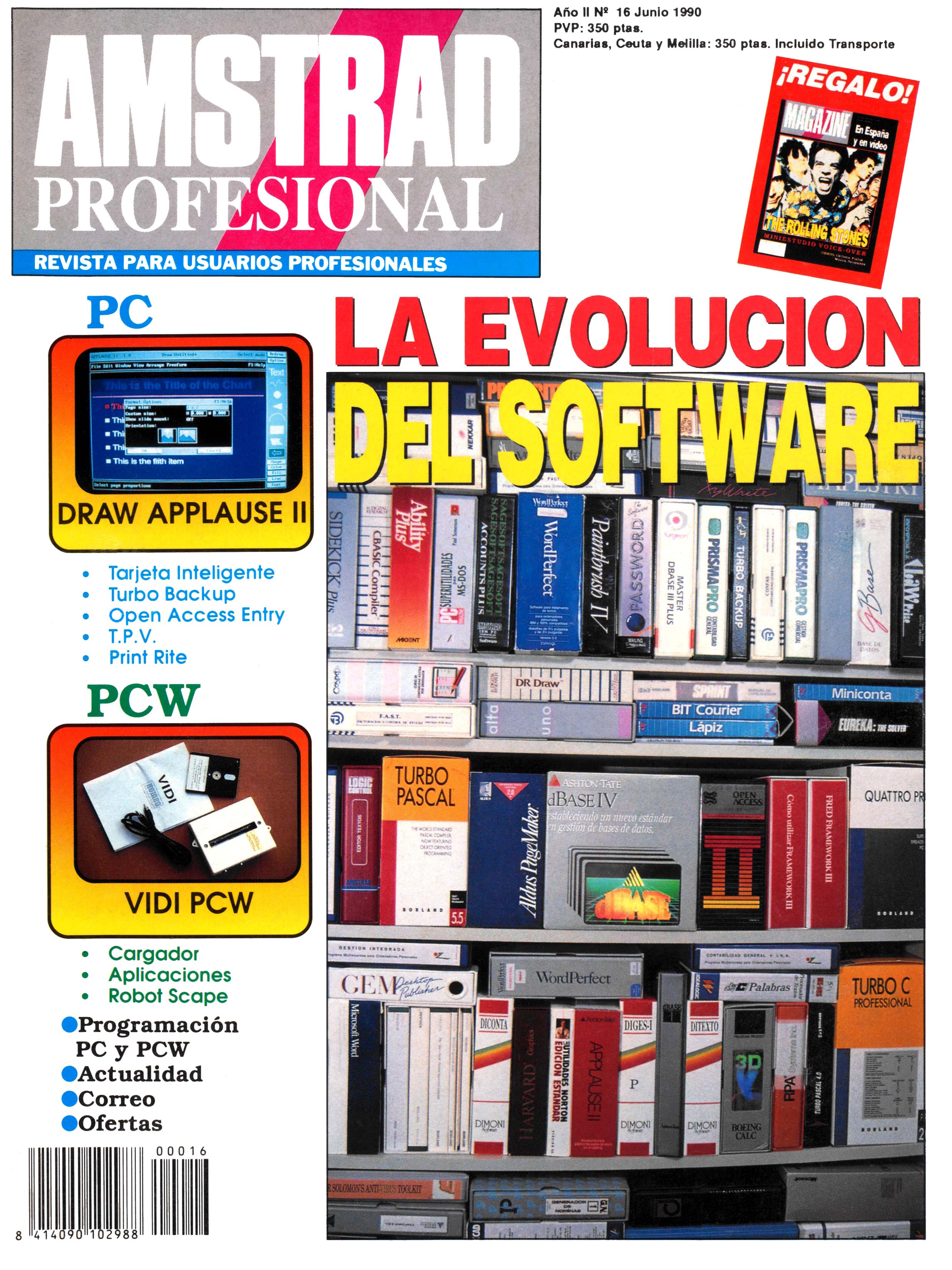
Amstrad Profesional was born as Amstrad's bet for a more technical and demanding audience, oriented towards the use of the computer as a tool for work, training, and productivity. The magazine adopted this name following the end of Amstrad User, which had reached 41 issues, giving way to this new, more sober and technical era.
Published monthly, Amstrad Profesional was released between March 1989 and October 1990, reaching a total of 19 issues. With the final issue, the title evolved into PC Soft, a magazine already exclusively focused on Amstrad's PC compatible computers, reflecting the market's definitive transition towards this standard.
EDITORIAL FOCUS AND PHILOSOPHY
Unlike other contemporary publications centered on home leisure, Amstrad Profesional was designed for users who utilized the computer as a tool for productivity, study, or training. Its objective was to satisfy the demand for selective and advanced information, moving away from video game content to focus on the operational needs of 8 and 16-bit machines.
CONTENTS AND TECHNICAL SECTIONS
The publication was distinguished by the depth of its articles and its informative rigor in areas critical to the professional sector:
- [#] Productivity and Software: In-depth analysis of word processors, spreadsheets, databases, and business management software, primarily for the PCW and PC ranges.
- [#] Communications: Pioneering articles on networks, modems, and data transfer, a rapidly expanding field in the late 1980s.
- [#] Outreach and Interviews: A space dedicated to conversations with industry experts and executives, offering a business vision of the Spanish computer market.
- [#] Training and Hardware: Guides to deeply understand hardware architecture, allowing users to maximize the performance of their workstations.
Ultimately, it represented Amstrad's transition from homes to offices, offering content "clean" of ludic distractions and focused on technological efficiency.