XECUTOR
TECHNICAL SHEET

Developer:ACE Software
Publisher:Erbe Software S.A.
Production Team:Design & Programming: Christian F. Urquhart
Graphics: Mike Smith
Graphics: Mike Smith
Ported by:Enrique Gálvez (https://itch.io)
Game Release Year:1987 (Original)
Port Release Year:2024
Compatibility:PCW 8256/8512/9512 - PCW#mini (Mode 3 / 16 colors)
Peripherals:Keyboard / Joystick (Native DK'Sound Mapping)
Boot Type:Autoboot (Supports 2 Simultaneous Players)
Genre:Arcade Shoot-'em-up / Vertical Scroll
Language:English
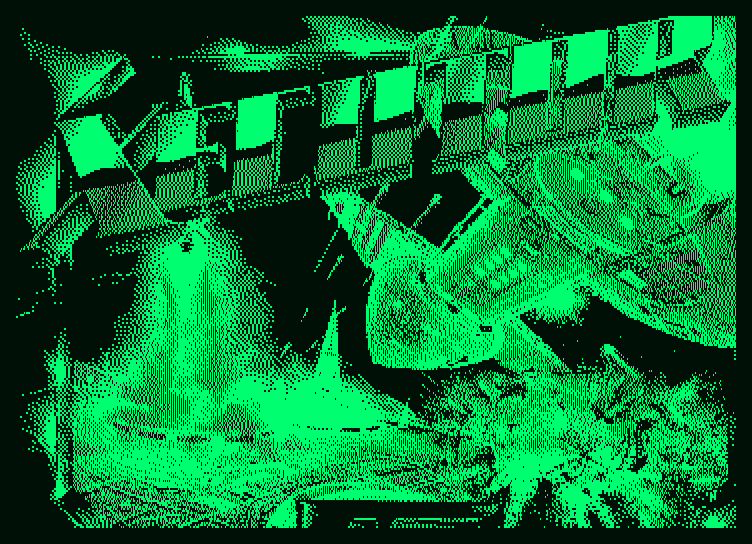
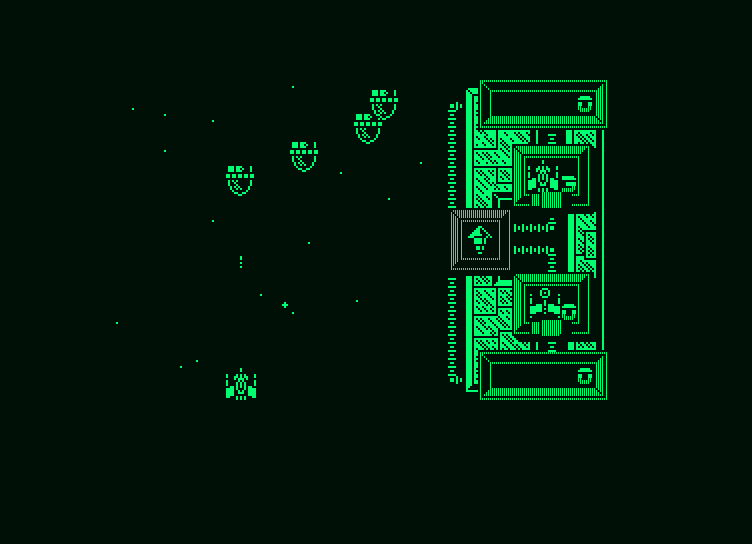
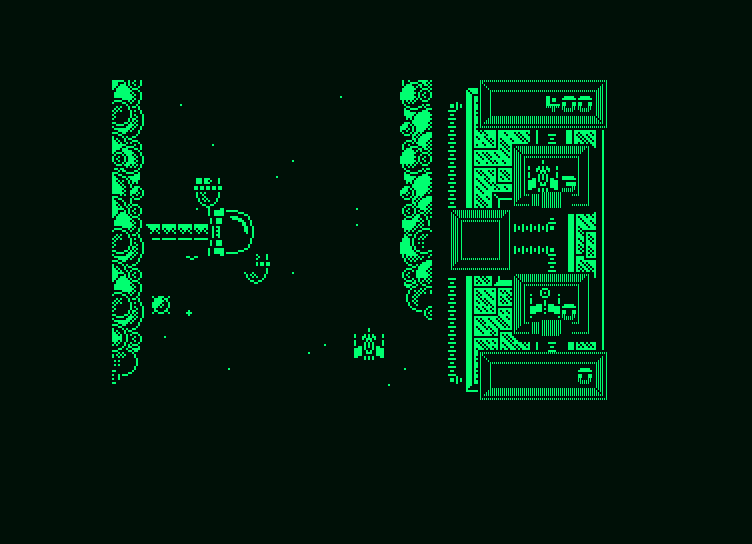
Screenshots
 |
 |
 |
 |
 |
 |
 |
 |
Description
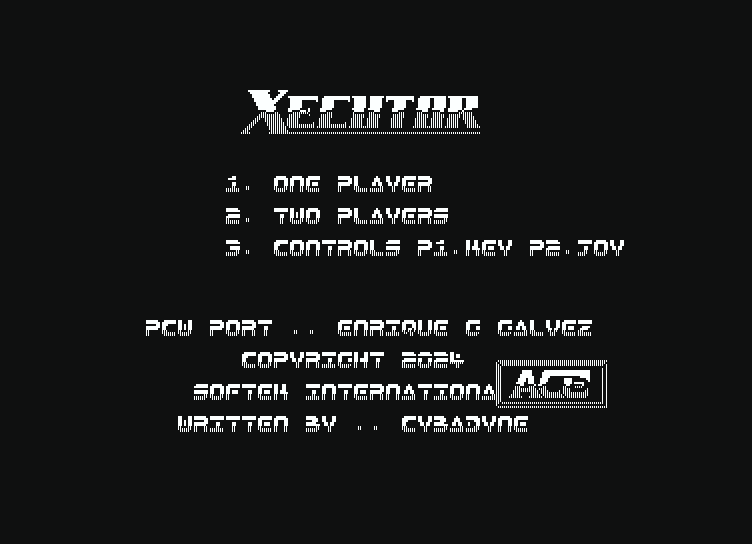
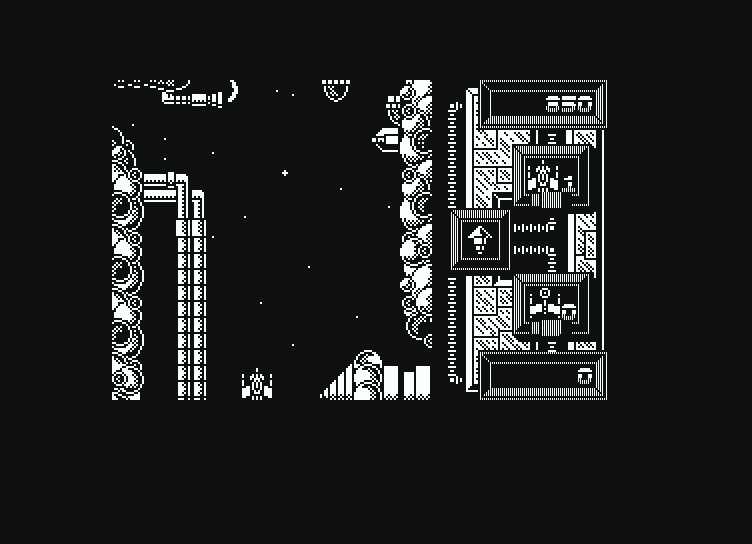
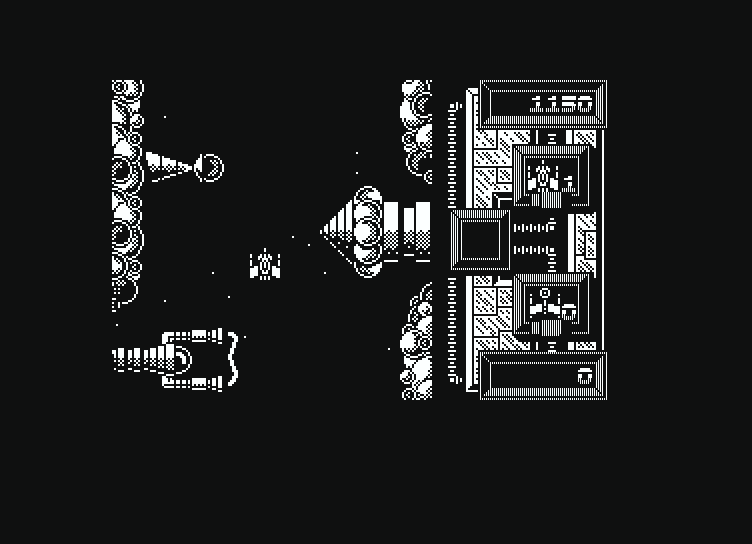
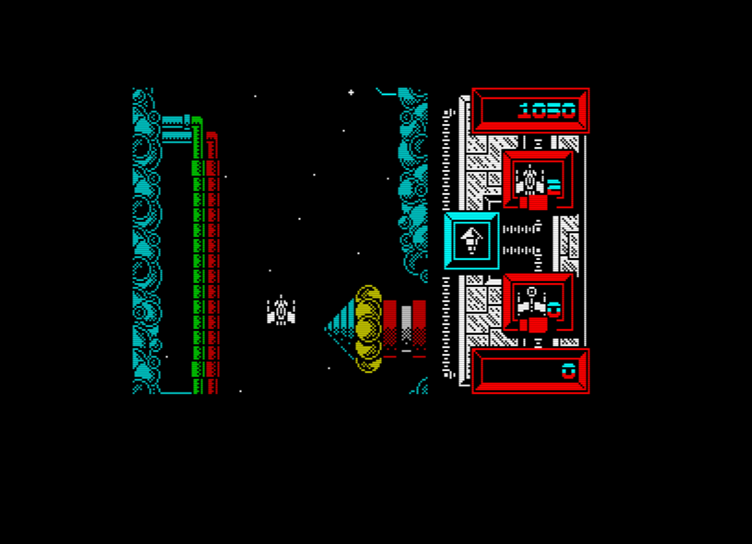
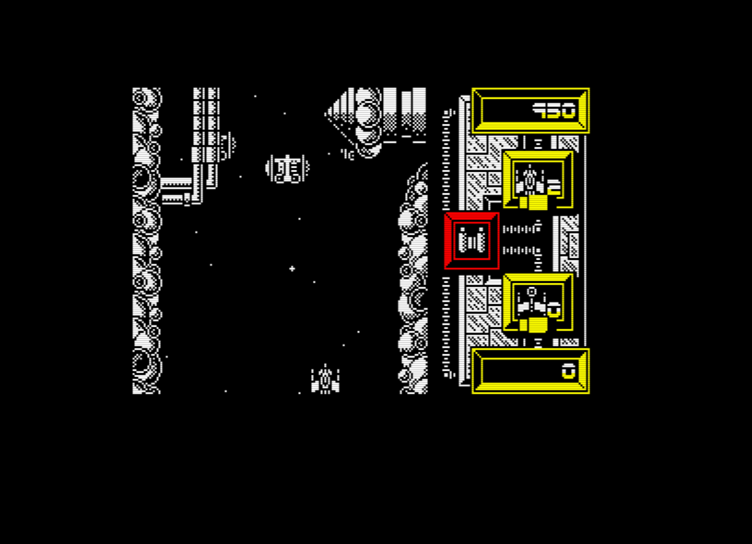
The relentless space combat universe of Xecutor arrives natively on the Amstrad PCW series thanks to an outstanding porting and technical preservation effort achieved by Enrique Gálvez in 2024. Based on the original 1987 Sinclair ZX Spectrum machine code written by Christian F. Urquhart and Mike Smith for ACE Software, this conversion fully leverages the shared Z80 architecture to introduce a substantial performance boost ("Increased speed") compared to the original title, delivering fluid vertical scrolling and immediate control feedback.
In this fast-paced arcade shoot-'em-up, players take command of an advanced starfighter. One of the greatest milestones of this remarkable conversion for Amstrad PCW systems is the inclusion of its dynamic simultaneous two-player cooperative mode. This allows a pair of pilots to coordinate their laser fire across the screen to repel the dense alien interceptor swarms deployed by the hostile empire. The gameplay stands out for its frantic, unforgiving pace, requiring players to memorize enemy spawn waves while managing their coverage layout at breakneck speeds.
Throughout its intense, continuous scrolling levels, the core gameplay shines due to its weapon upgrade module system ("power-ups"). By destroying complete enemy supply formations, players can collect floating weapon tokens to expand their firing range, attach secondary homing missiles, or activate temporary energy shields to absorb critical impacts. The level layout alternates between wide-open deep space skirmishes and narrow industrial sector corridors heavily guarded by fixed, highly accurate heavy plasma turrets.
Enrique Gálvez's port not only preserves with total accuracy the tight hitboxes and lightning-fast arcade dynamics of the 1987 classic, but also brilliantly adapts the video memory layout to the native hardware addressing of the Amstrad PCW 8256, 8512, and 9512. Most notably, the game features extended technical support for the PCW#mini hardware, allowing the graphics engine to run under the advanced Mode 3 with a full 16-color palette display. This stands as a formidable achievement in retro software craftsmanship, unlocking the system's architecture in ways never seen before.
In this fast-paced arcade shoot-'em-up, players take command of an advanced starfighter. One of the greatest milestones of this remarkable conversion for Amstrad PCW systems is the inclusion of its dynamic simultaneous two-player cooperative mode. This allows a pair of pilots to coordinate their laser fire across the screen to repel the dense alien interceptor swarms deployed by the hostile empire. The gameplay stands out for its frantic, unforgiving pace, requiring players to memorize enemy spawn waves while managing their coverage layout at breakneck speeds.
Throughout its intense, continuous scrolling levels, the core gameplay shines due to its weapon upgrade module system ("power-ups"). By destroying complete enemy supply formations, players can collect floating weapon tokens to expand their firing range, attach secondary homing missiles, or activate temporary energy shields to absorb critical impacts. The level layout alternates between wide-open deep space skirmishes and narrow industrial sector corridors heavily guarded by fixed, highly accurate heavy plasma turrets.
Enrique Gálvez's port not only preserves with total accuracy the tight hitboxes and lightning-fast arcade dynamics of the 1987 classic, but also brilliantly adapts the video memory layout to the native hardware addressing of the Amstrad PCW 8256, 8512, and 9512. Most notably, the game features extended technical support for the PCW#mini hardware, allowing the graphics engine to run under the advanced Mode 3 with a full 16-color palette display. This stands as a formidable achievement in retro software craftsmanship, unlocking the system's architecture in ways never seen before.
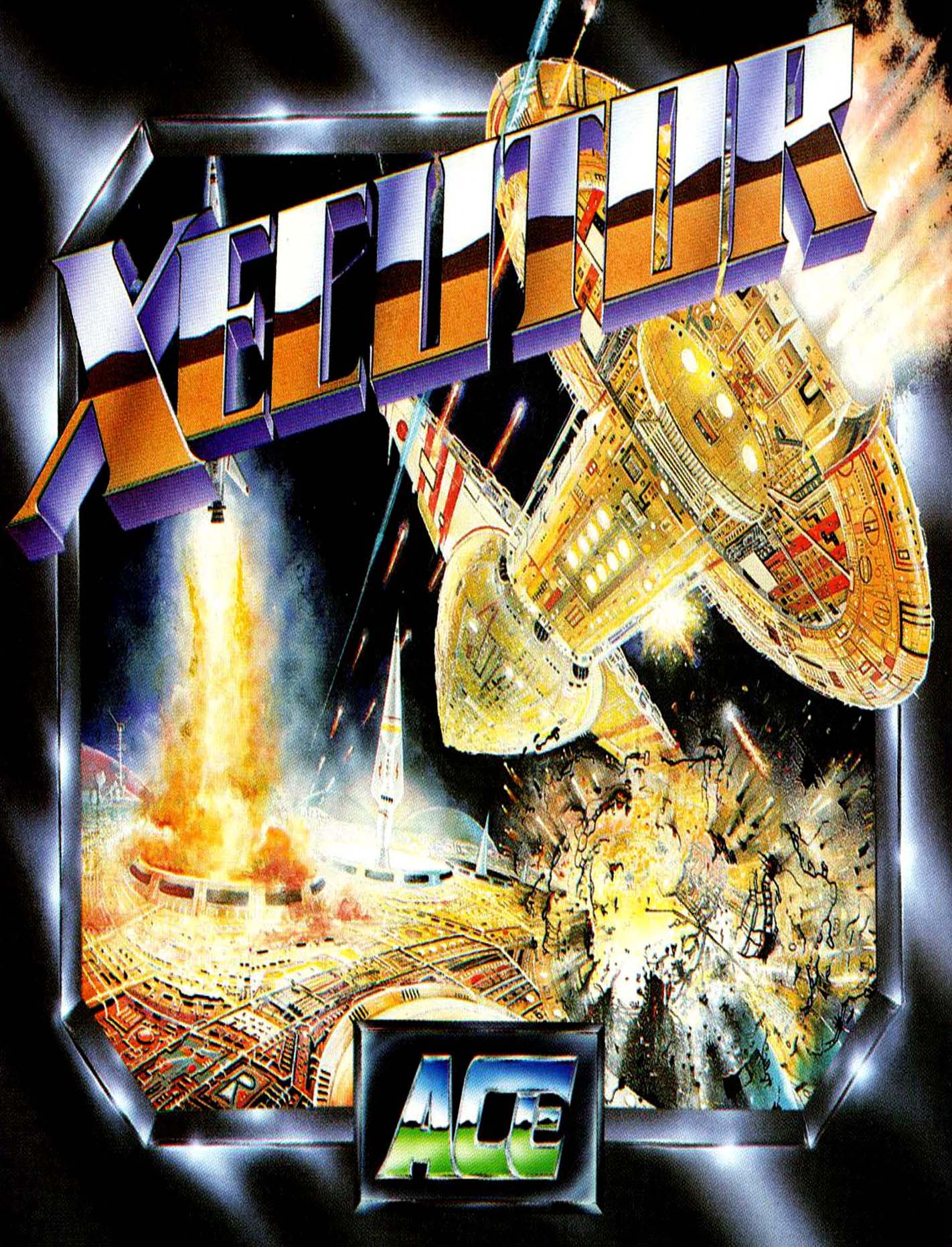
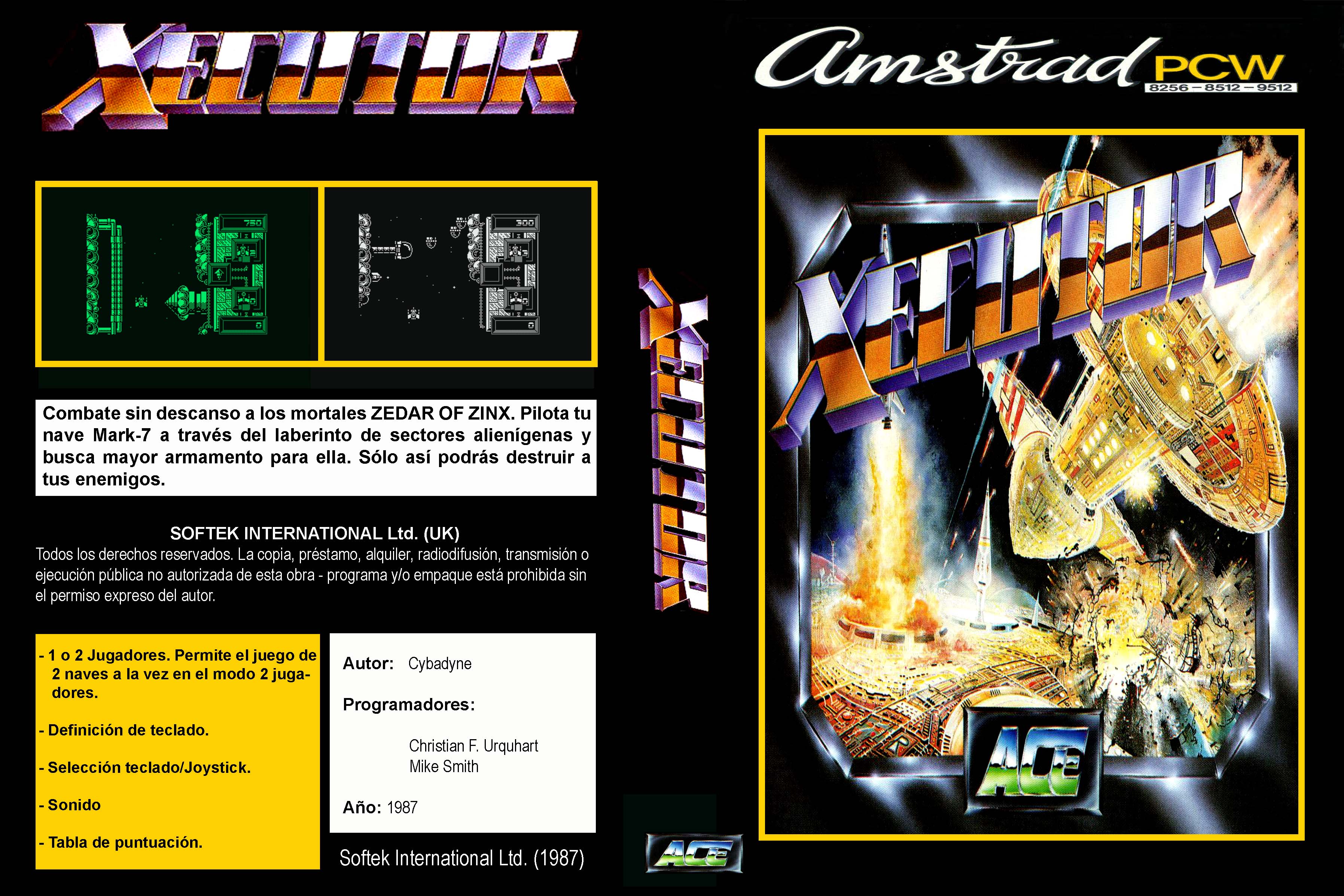
Cover Artwork
Instruction Manual
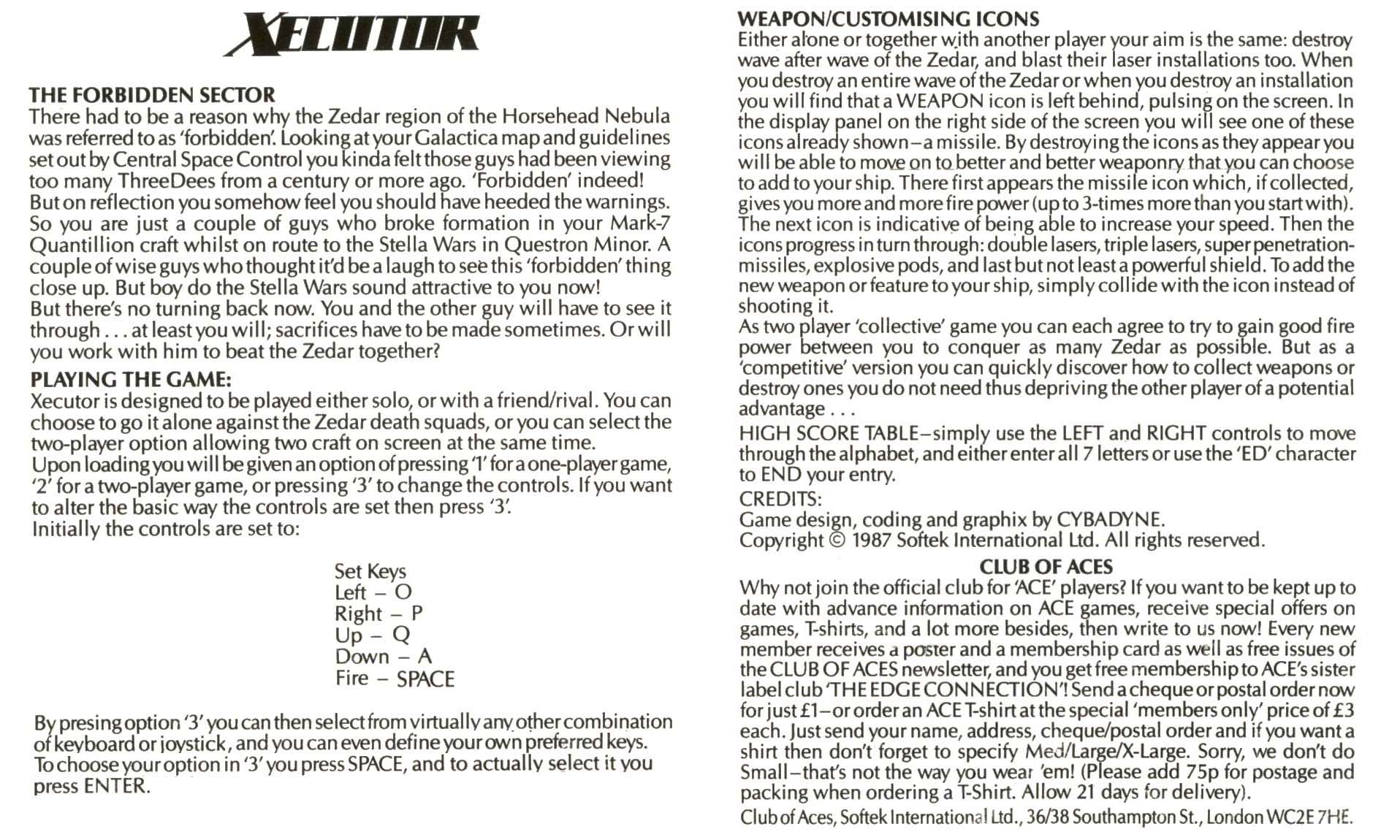
The complete instruction manual is preserved here as a single-page document, including the official game play and technical specifications.
Disks
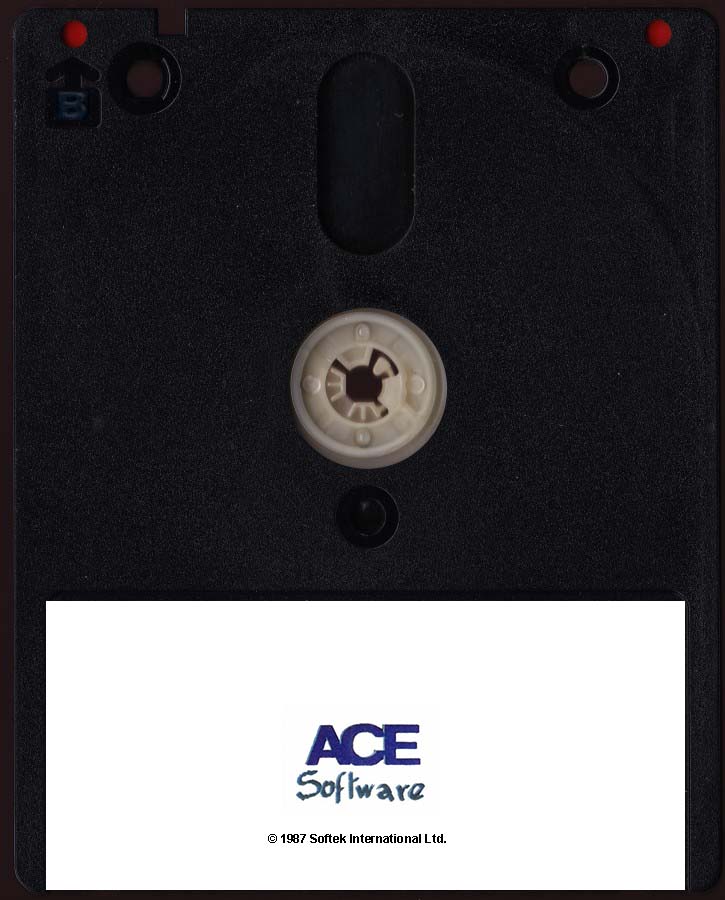

Disk Labels
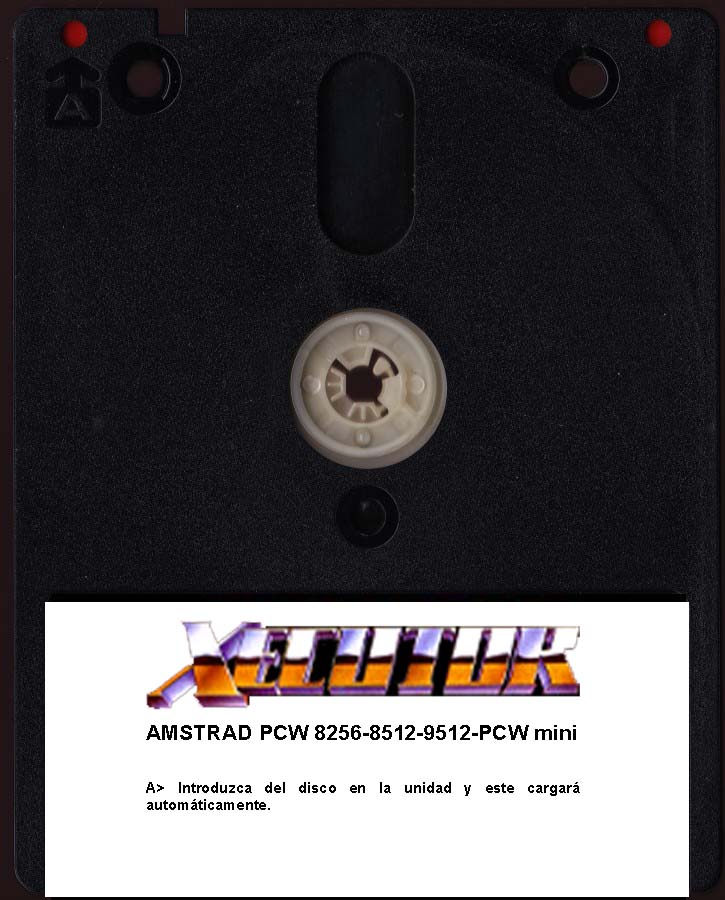
Standard dimensions for Amstrad 3-inch floppy disk labels: Height: 7.00 cm - Width: 7.10 cm.
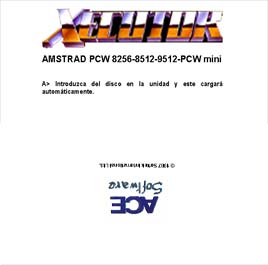
Extras
Historical Keyboard Configuration & DK'Sound Controls
Q Key / JYK:Move Starfighter Up (Player 1 / Joystick 1)
A Key / JYK:Move Starfighter Down (Player 1 / Joystick 1)
O Key / JYK:Move Starfighter Left (Player 1 / Joystick 1)
P Key / JYK:Move Starfighter Right (Player 1 / Joystick 1)
SPACE / FIRE:Continuous Primary Weapon Fire (Laser Cannon)
P2 CONTROLS:Native Support for Player 2 (Secondary Keyboard / Joystick 2)
Supervival Tips & Strategy Guidelines (Verified)
• High-Speed Upgrades Management: Due to the "Increased speed" optimization implemented in this engine, your reaction window is narrow. Plan your trajectories ahead and do not take risky maneuvers just to collect floating weapon modules when screen density is high.
• Smooth Controls Performance: Native hardware mapping for the DK'Sound interface delivers instantaneous arcade-accurate stick responses. Leverage this analogue input hardware layer to navigate complex dodging patterns during late-game bullet hell sections.
• PCW#mini Specific Deployment: If you are running the game on a PCW#mini hardware unit, ensure you launch the color-specific executable to load Mode 3. Deploying the full 16-color layout drastically improvements visual differentiation between incoming enemy sprites and background orbital surface assets.
• Cooperative Tactical Coordination: Playing simultaneous co-op grants massive firepower but narrows down movement paths. Establish a screen division approach where one pilot focuses on the front sweeping duties while the second clears the rear flanks to prevent catastrophic ship collisions.
• Smooth Controls Performance: Native hardware mapping for the DK'Sound interface delivers instantaneous arcade-accurate stick responses. Leverage this analogue input hardware layer to navigate complex dodging patterns during late-game bullet hell sections.
• PCW#mini Specific Deployment: If you are running the game on a PCW#mini hardware unit, ensure you launch the color-specific executable to load Mode 3. Deploying the full 16-color layout drastically improvements visual differentiation between incoming enemy sprites and background orbital surface assets.
• Cooperative Tactical Coordination: Playing simultaneous co-op grants massive firepower but narrows down movement paths. Establish a screen division approach where one pilot focuses on the front sweeping duties while the second clears the rear flanks to prevent catastrophic ship collisions.
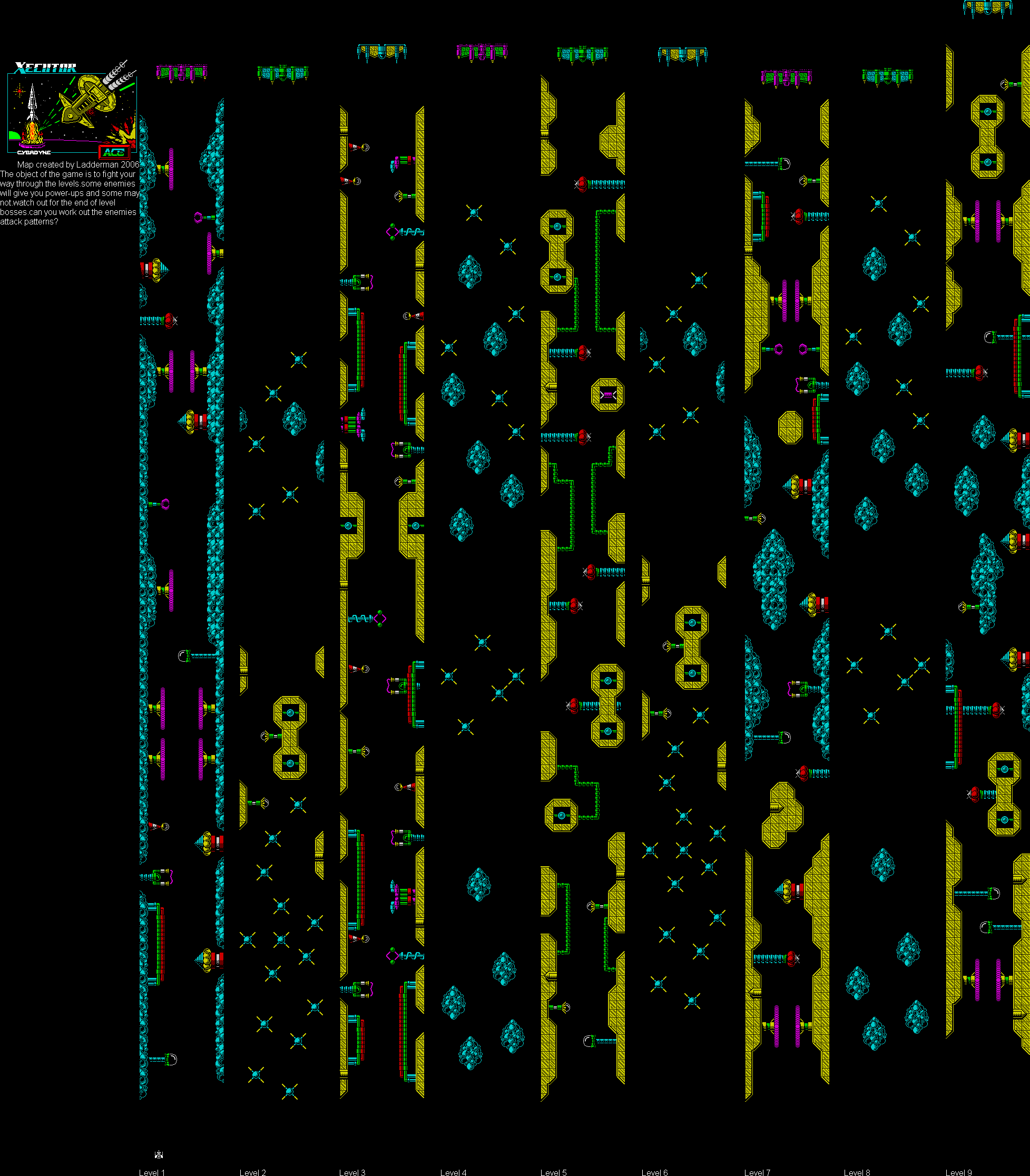
Sector Navigation & Space Map
Available Downloads
Game Files
Documentation
Videos