
The Rampac from SCA Systems is a 512 KB RAM memory expansion that additionally features an RS232 serial port in some specific models.
en:hardware:perifericos:rampac
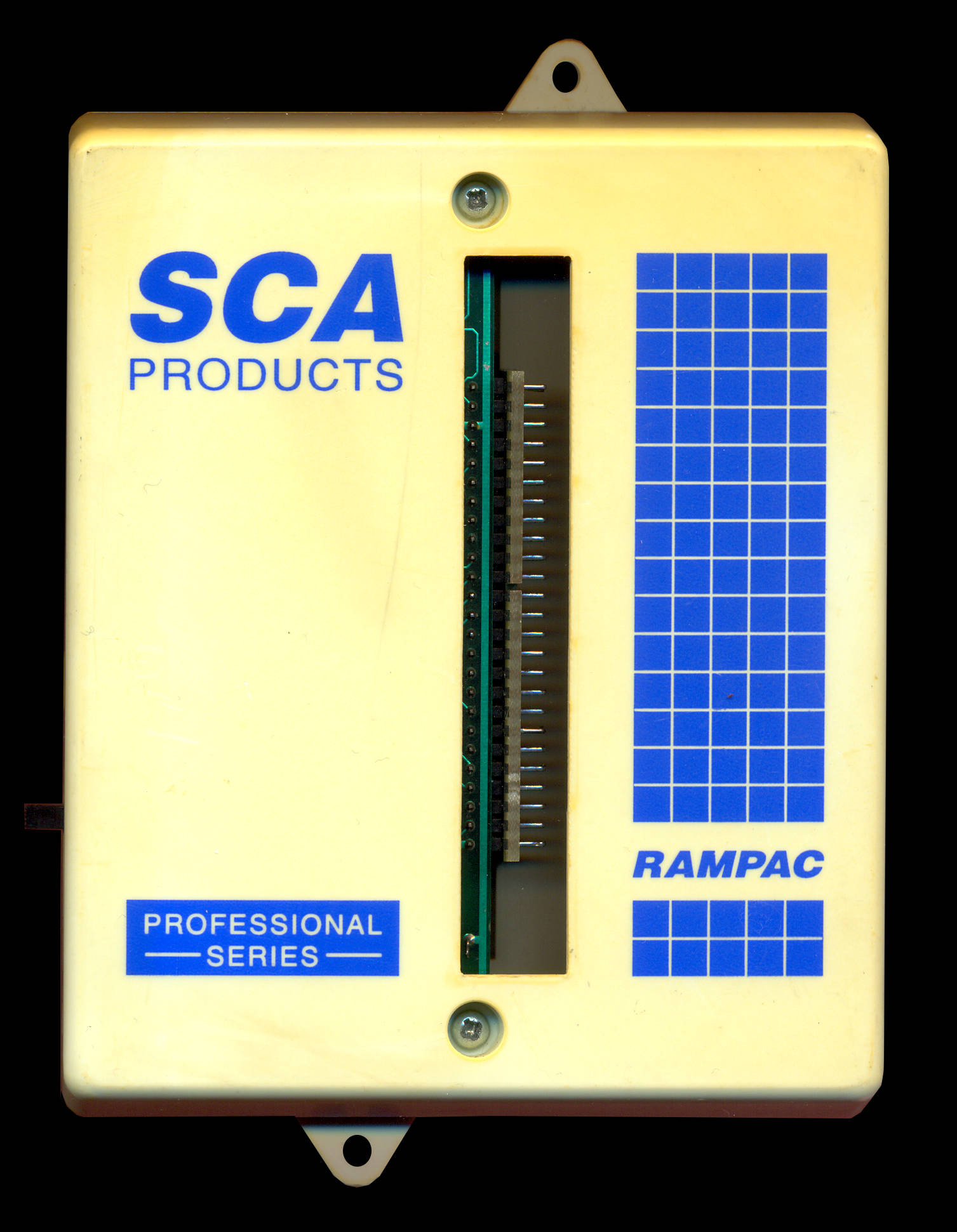
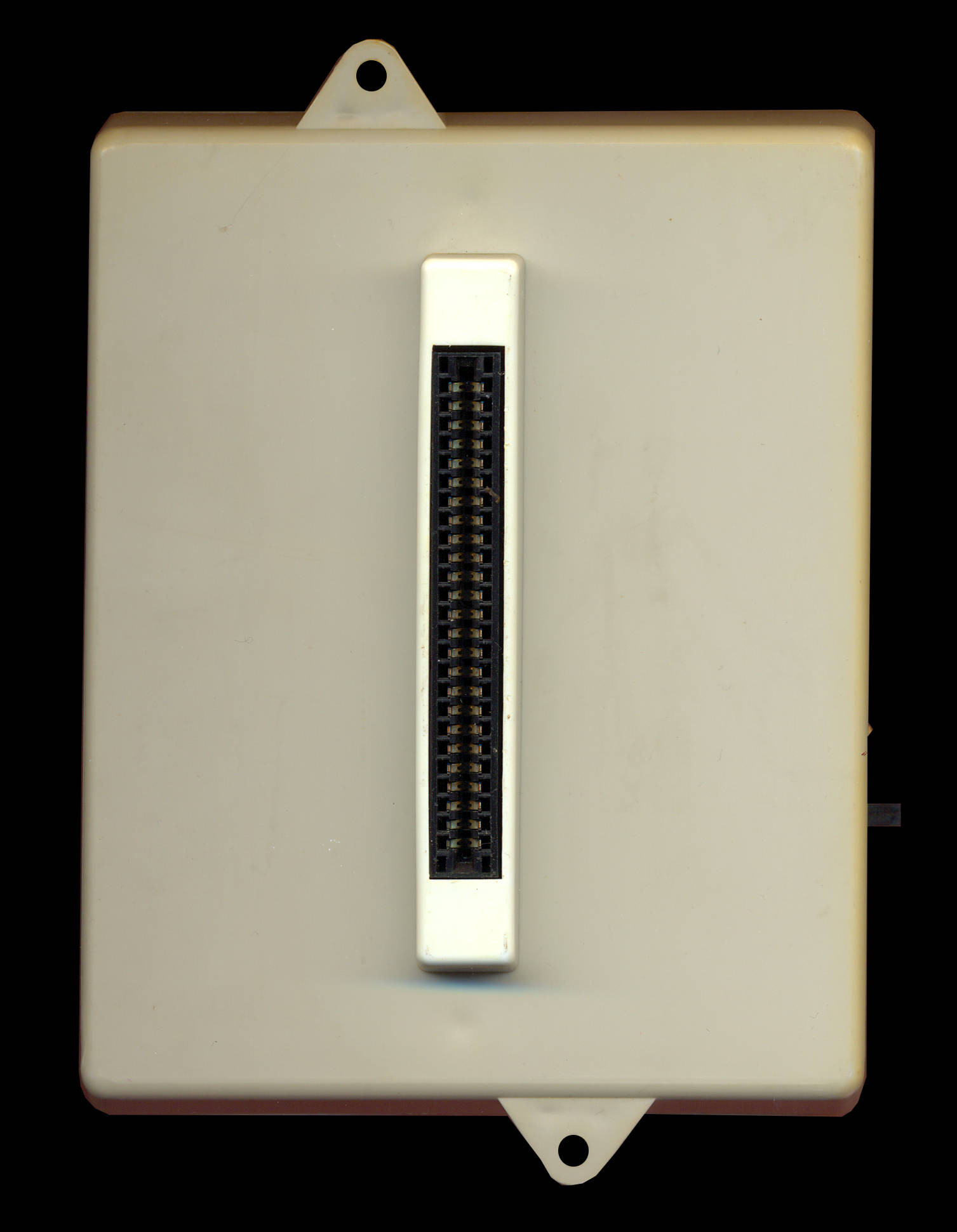
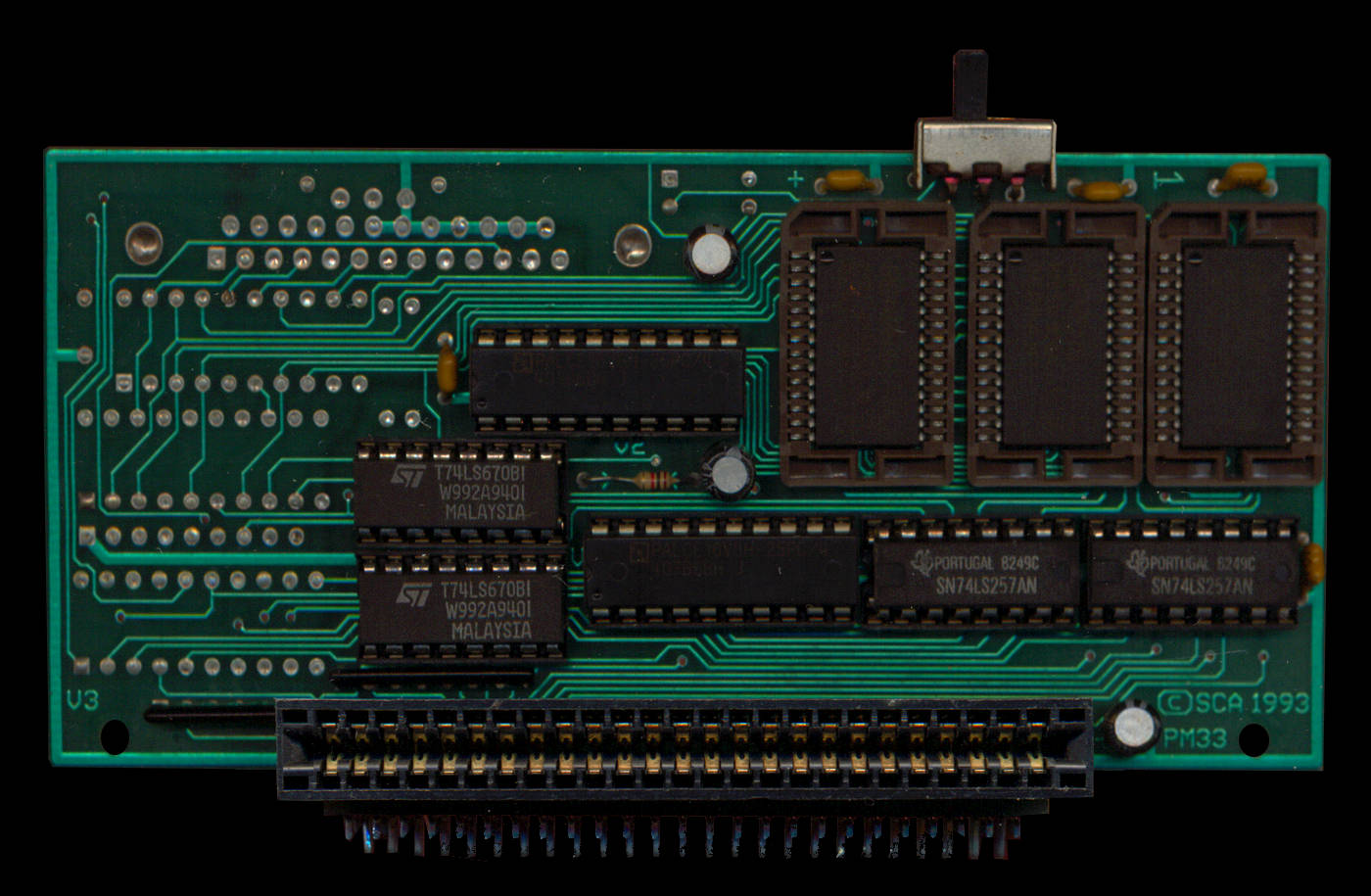
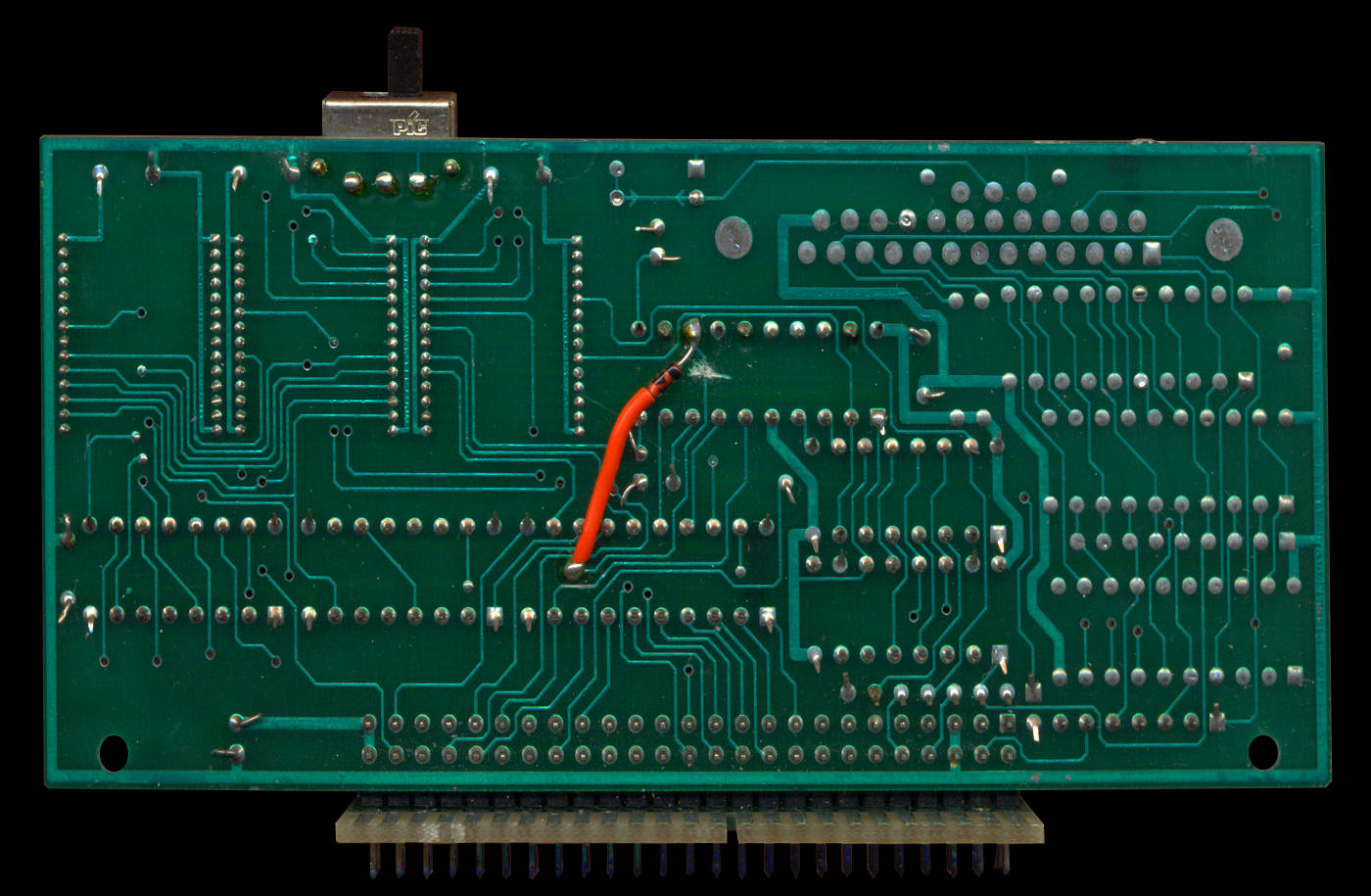
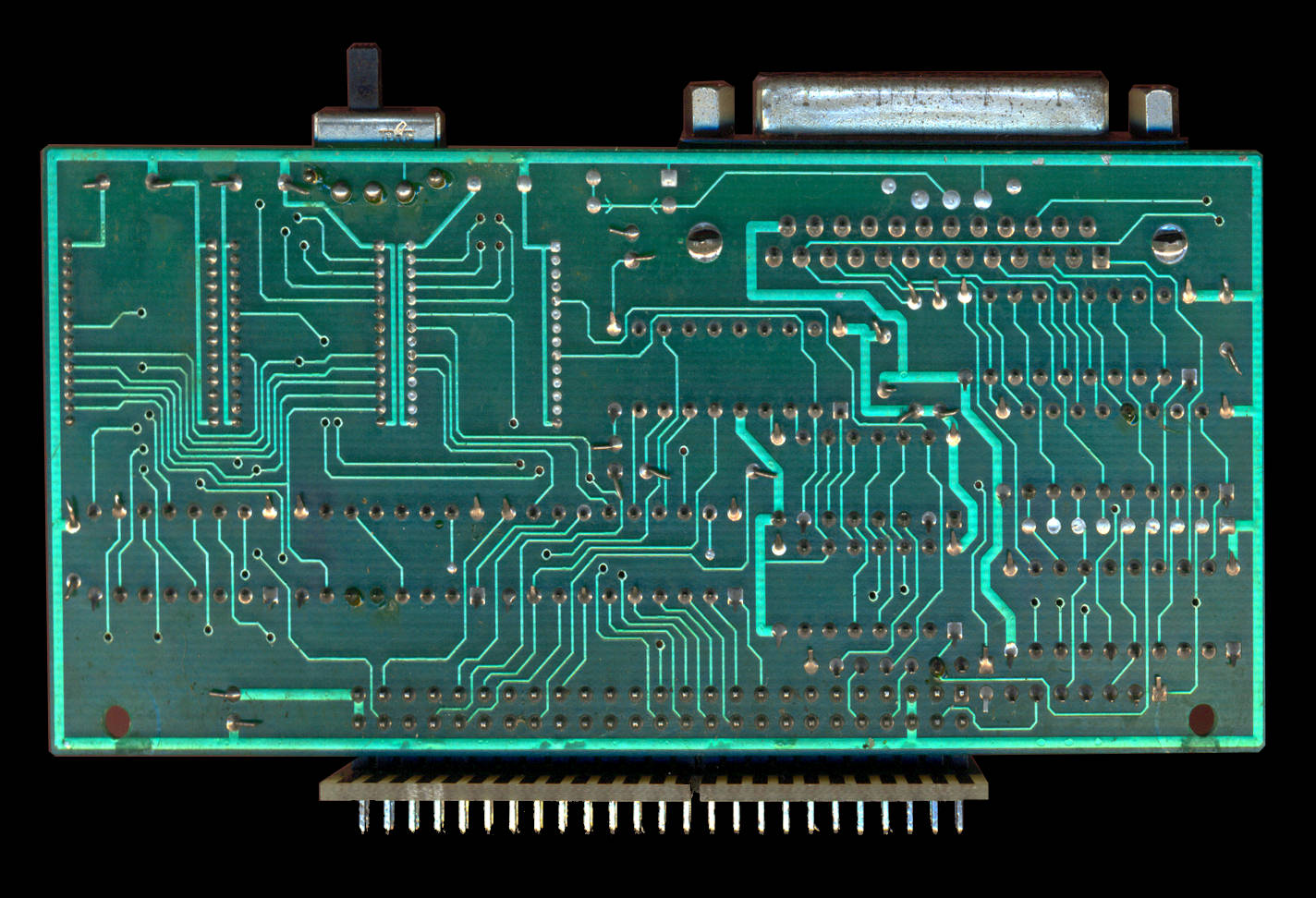
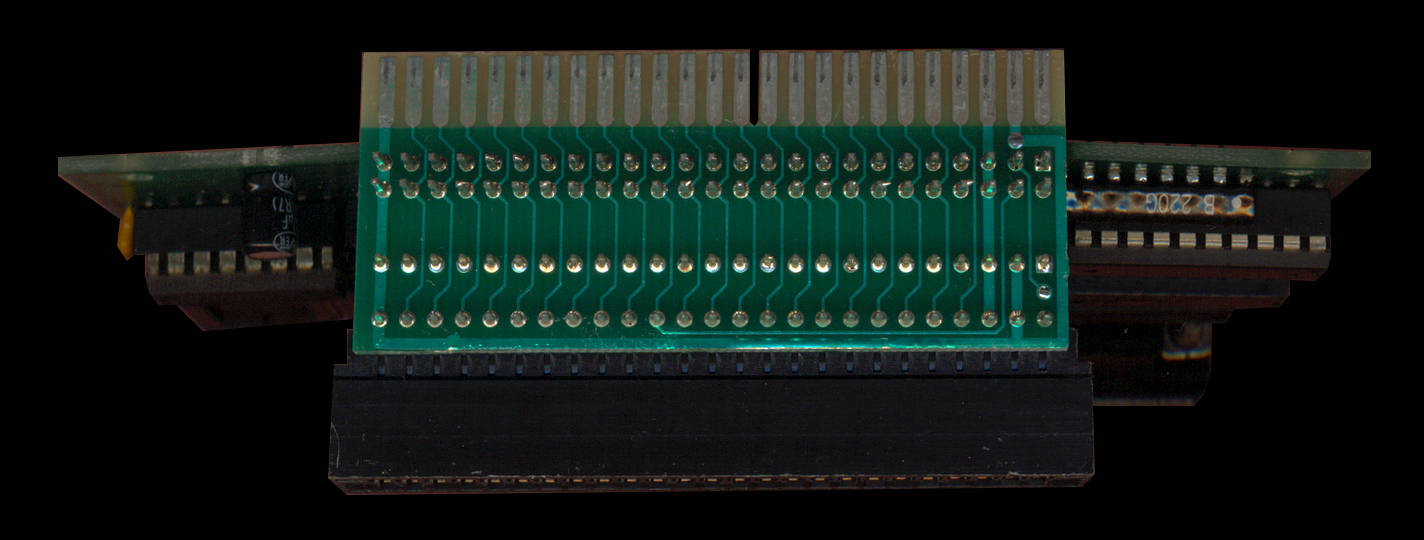
A> RAMPAC INTERFACE
Model without serial port
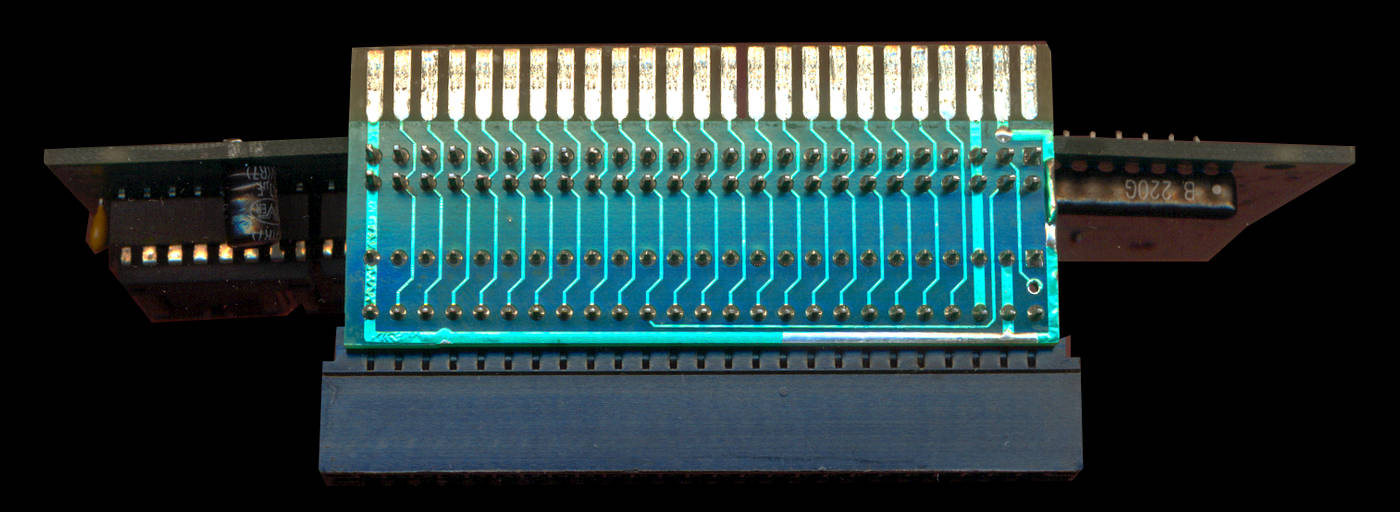
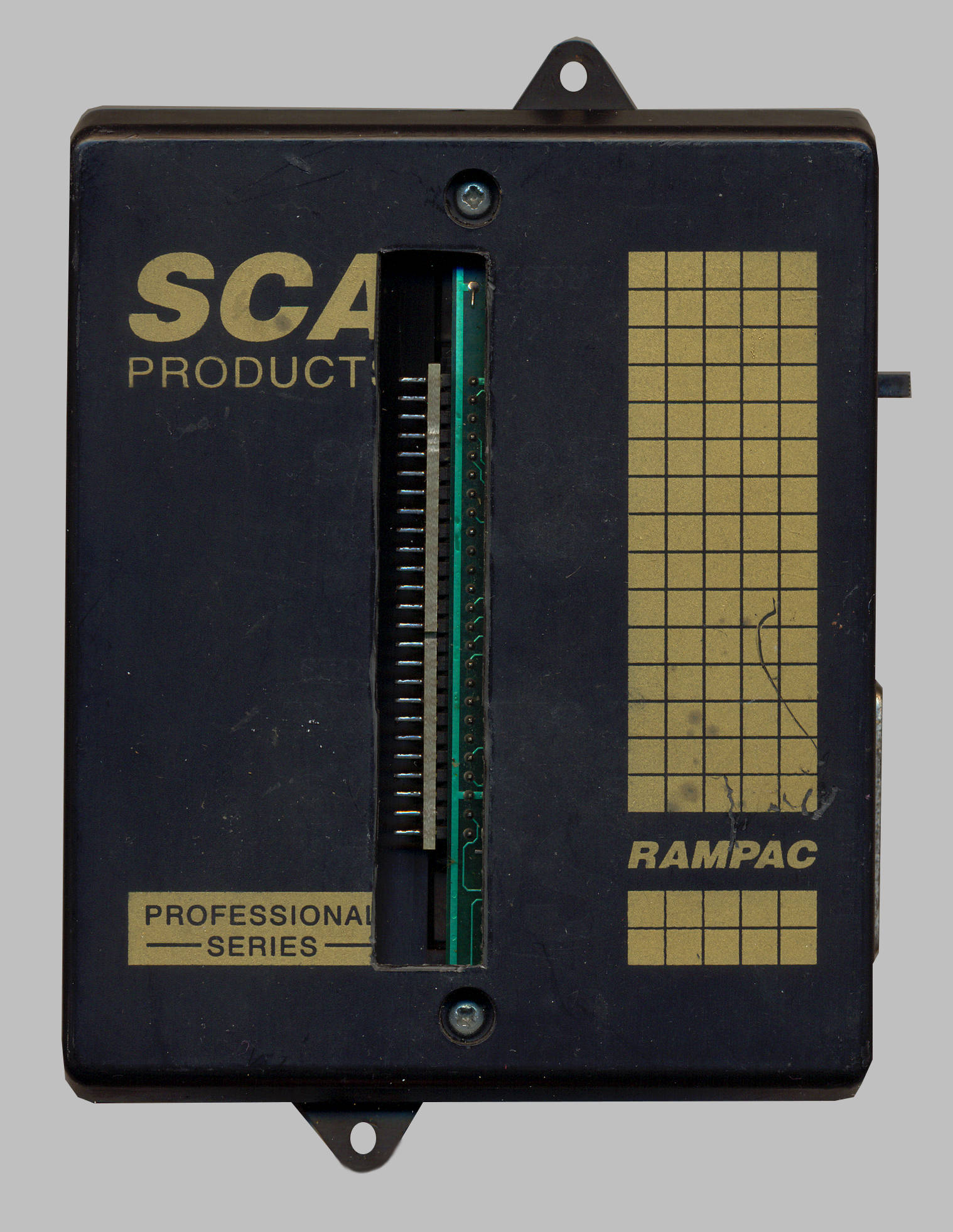
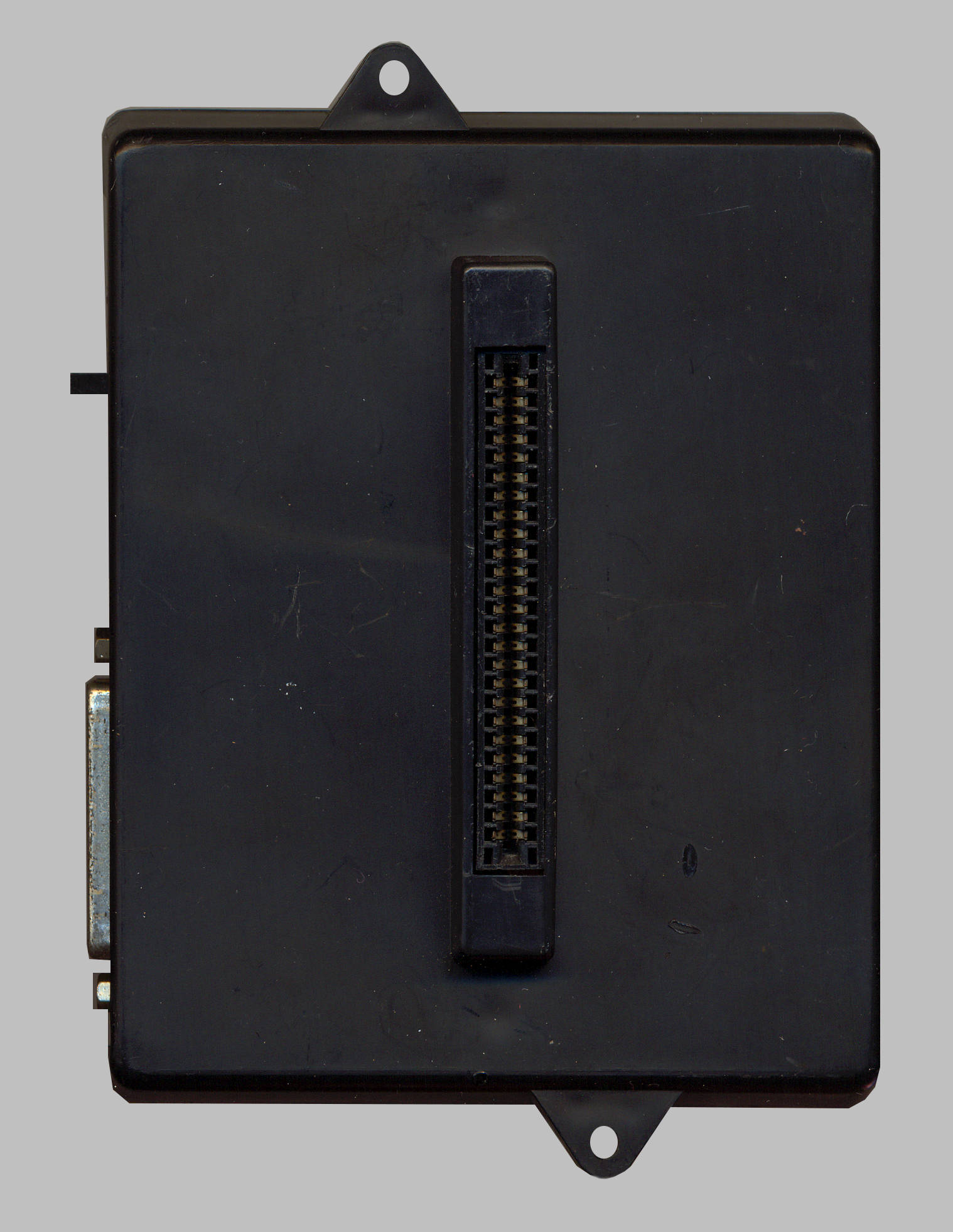
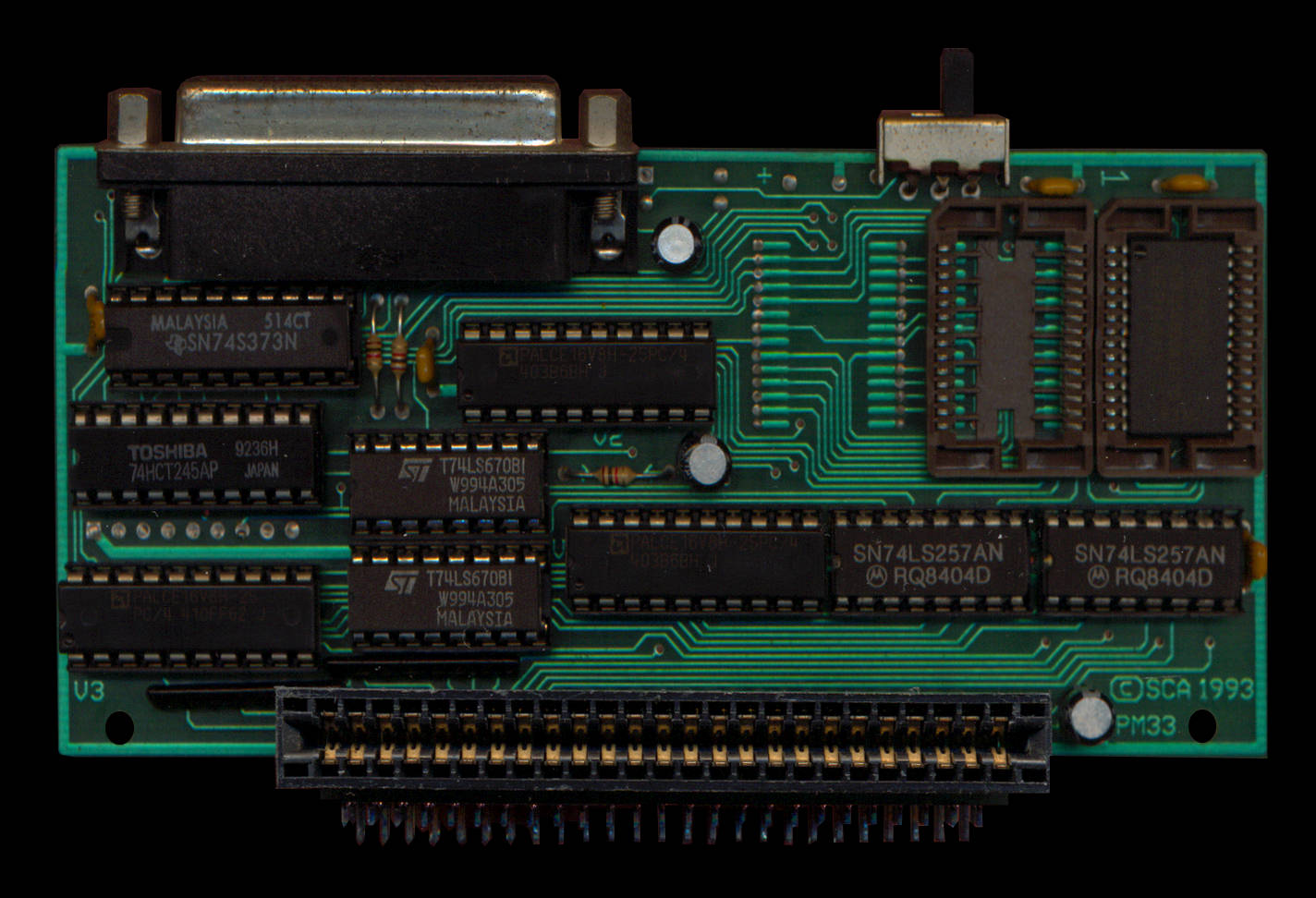
Front CaseRear CasePCB FrontPCB RearPCB BottomModel with serial port
Front CaseRear CasePCB FrontPCB RearPCB BottomDescription, Context and Silicon Engineering by SCA Systems
The Rampac expansion line constitutes one of the most sophisticated hardware developments by the renowned firm SCA Systems (frequently cataloged in the desktop publishing market as SCA Products) for the Amstrad PCW 8000 series. Traditionally confused in collecting circles with modules from third-party companies, the component tracing on both the top and bottom PCBs confirms SCA Systems' authorship. The device was marketed under two physical commercial variants with distinct features: the basic model (intended for silicon memory expansion and printer control) and the premium model (which incorporated synchronous serial communications circuitry).
The engineering premise of the Rampac was to equip the PCW 8256 with a total workstation in a single pass-through expansion peripheral. The main bottleneck of the CP/M Plus operating system when executing heavily documented applications, such as the LocoScript word processor or design suites, was the physical slowness and constant mechanical access to the 3-inch floppy disks. By injecting a massive expansion of 512 KB of dynamic RAM inside the peripheral chassis, the computer instantly gained a high-speed electronic storage volume. This silicon block allowed the creation of transparent and persistent virtual disks (RAM Disks) that multiplied the machine's data transfer rates without overloading the bus.
Electronic Architecture and I/O Register Mapping (Low-Level)
At the level of discrete TTL and CMOS integrated circuits visible in the component and solder side PCB captures, the PRO Rampac interface precisely manages the addressing of the Zilog Z80 processor:
- Memory Bank Switching Mechanism (Banked Paging): Since the Z80 microprocessor has a native address bus limited to a concurrent maximum of 64 KB, SCA Systems implemented an intermediate logical decoder circuit. This system monitors the bus signals and intercepts native memory, opening logical "windows" in the high Input/Output (I/O) address space. Through this hardware mapping, the CPU could cycle through the pages of the Rampac's 512 KB dynamic RAM at high speed, utilizing them as a software execution buffer or as an integrated massive RAM disk.
- UART and Symmetrical Voltage Subsystem (Variant 2): The version equipped with a serial port mounts a dedicated UART controller integrated circuit. This chip autonomously manages the RS-232 data flow, stop bits, and Baud Rate towards modems or office terminals of the era. To comply with the international communications standard, the variant 2 PCB incorporates an internal voltage converter/inverter circuit. This module cleanly generates the required -12V electrical rail from the positive voltages supplied by the computer, removing the need for external power supplies.
- Parallel Port Logic and Factory Compatibility: The parallel port is governed by 74LSxx series data latch registers. It captures the bytes from the PCW data bus (
D0toD7) and monitors the physical Centronics handshake lines (such asBUSYor the/ACKpulse). SCA Systems decoded these registers by strictly replicating the official Amstrad port range (0E0hto0E3h), allowing LocoScript to recognize the interface automatically without altering a single line of code in the system disks. - Pass-Through Expansion Connector: The interface couples directly to the lateral 50-pin expansion bus of the PCW. The robust board incorporates double-sided reinforced pass-through traces on its rear edge, preventing the port from being blocked and allowing the user to chain additional peripherals simultaneously (such as Kempston-compatible joystick interfaces).
en/hardware/perifericos/rampac.txt · Última modificación: por jesus