TECHNICAL DATA

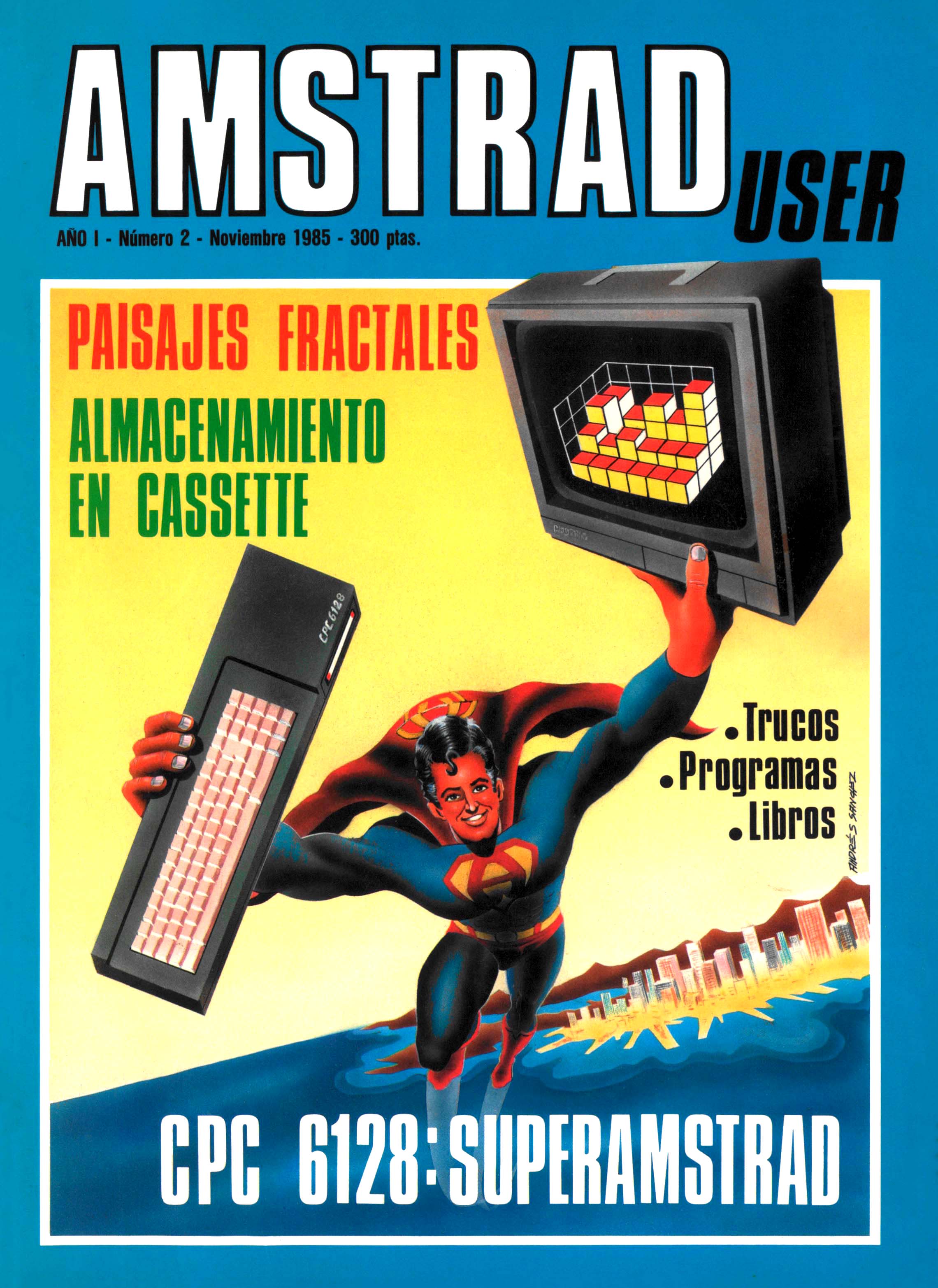
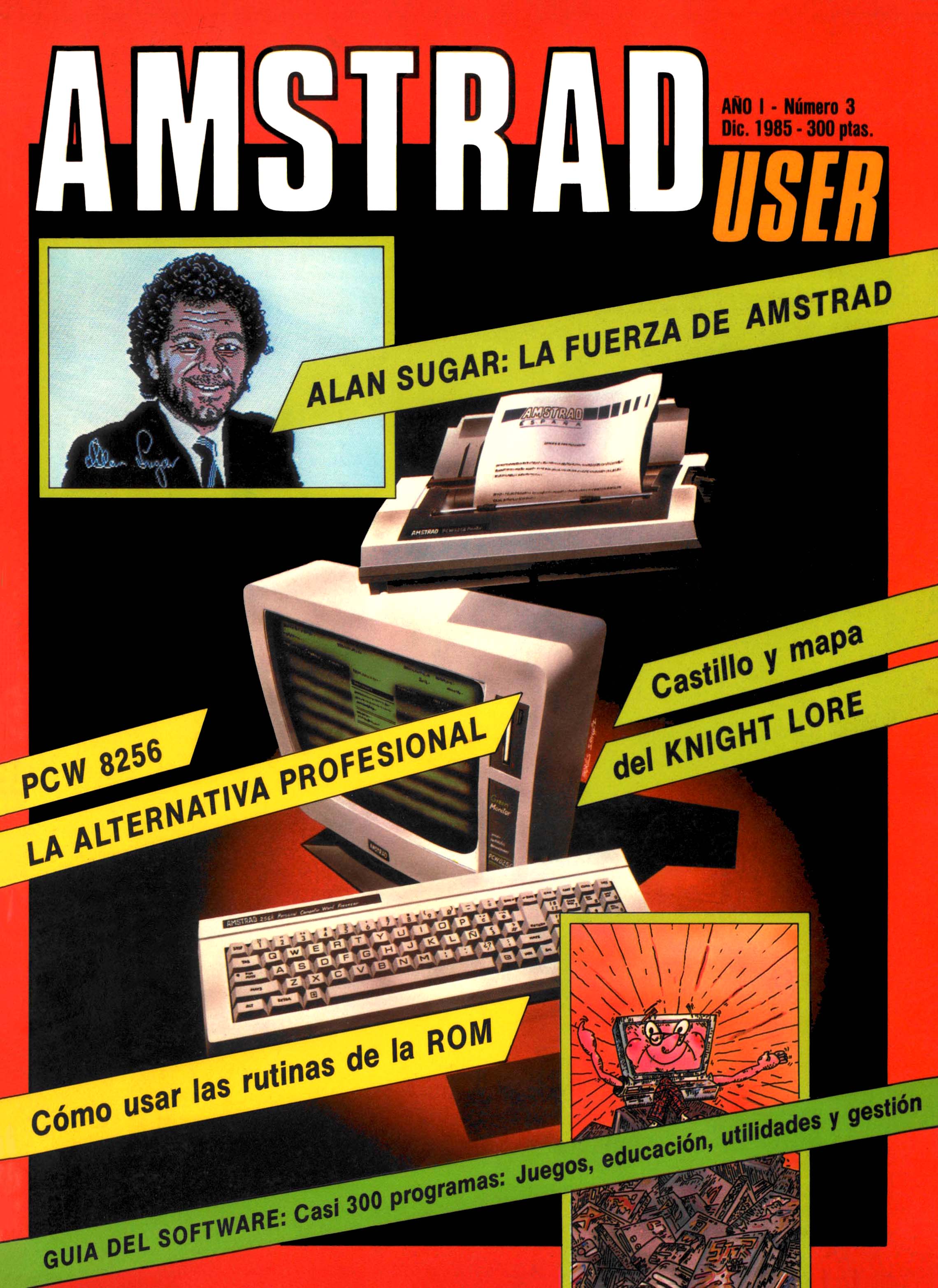
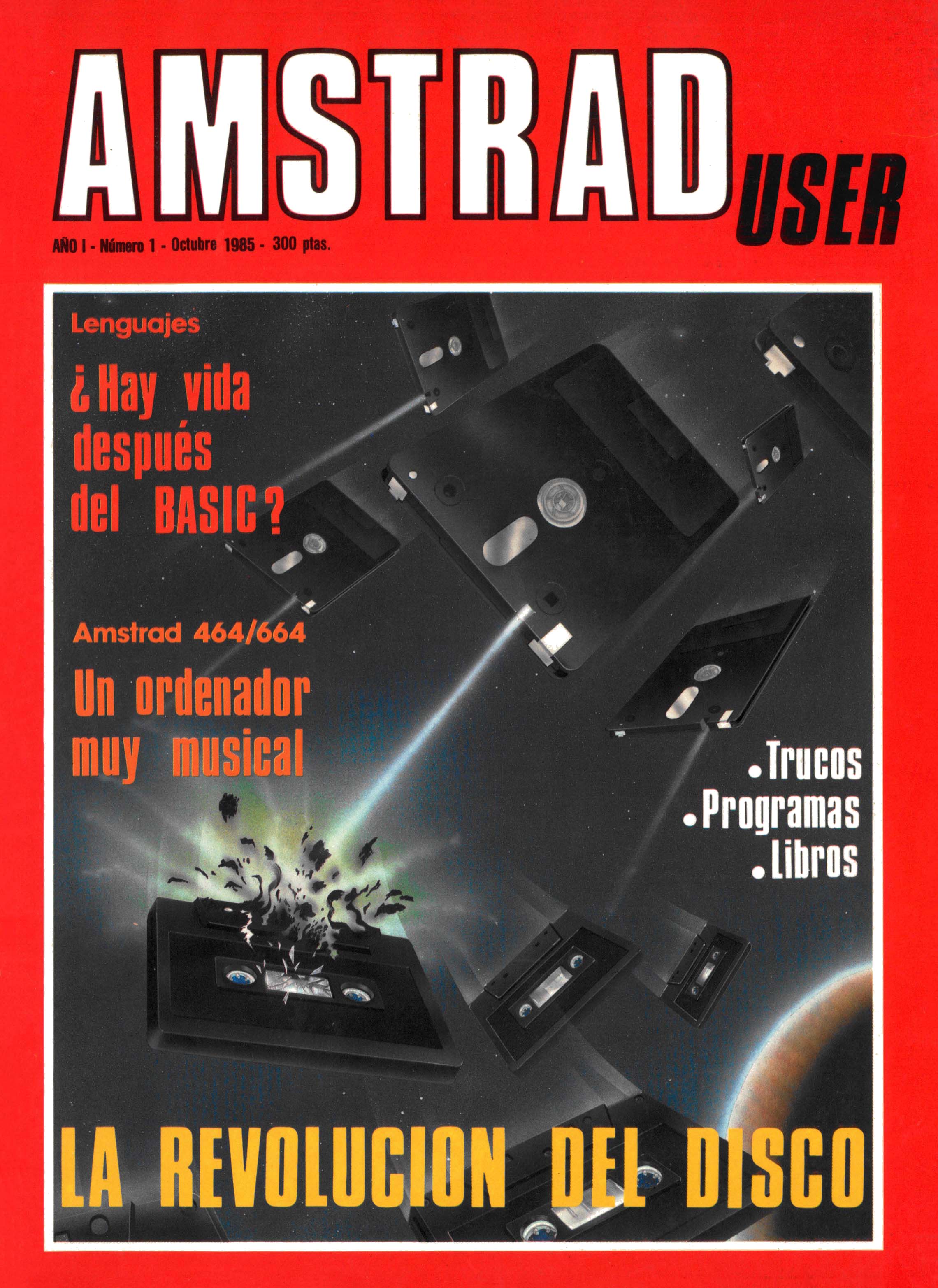
Amstrad User holds the honor of having been the official flagship magazine par excellence for Alan Sugar's computing universe in Spanish territory. Its birth in 1985 was closely linked to Indescomp, a company led by José Luis Domínguez that introduced and popularized the Amstrad brand in Spain before the multinational itself absorbed the infrastructure to establish Amstrad España, S.A. This background guaranteed it a direct information channel, constant exclusives on hardware launches, and an absolute leadership position on newsstands during the early stages of the 8-bit revolution.
Unlike competitors with an exclusively entertainment-oriented approach, Amstrad User strongly committed to an educational, mature, and multiplatform content structure. The magazine's pages served to technically train both the teenager unraveling Locomotive BASIC on their CPC 464, and the accountant, clerk, or writer starting to computerize their office using a PCW 8256 under the CP/M operating system. The magazine provided countless code listings (type-ins), assembly language courses, thorough peripheral analyses, and exhaustive breakdowns of office software and advanced programming languages.
EVOLUTION AND HISTORICAL LEGACY
Throughout its 41 issues, the magazine underwent notable changes in design and layout parallel to the technological maturation of the Spanish market:
- [#] The Indescomp Era (Issues 1 to 12): Focused on laying the foundations of the CPC and supporting early users with an abundance of utility software and their own code listings.
- [#] Official Consolidation (Issues 13 to 28): Now under the direct seal of Amstrad España. This was the period of greatest technical splendor, incorporating extensive sections on the PCW range (LocoScript, CP/M) and the new compatible PC market (PC1512).
- [#] Transition and Closure (Issues 29 to 41): A stage characterized by a more aggressive and commercial cover style, which attempted to coexist with the push of the pure video game press until its final farewell at the end of 1989.
A PILLAR OF PRESERVATION
Its cessation of publication marked the end of a golden era of direct corporate support. Today, the collection of Amstrad User is studied by researchers and retrocomputing enthusiasts to understand the implementation of home, professional, and school computing in 1980s Spain, standing as a historical document of incalculable value.
[ SELECT AN ISSUE TO DOWNLOAD ]