TECHNICAL FILE

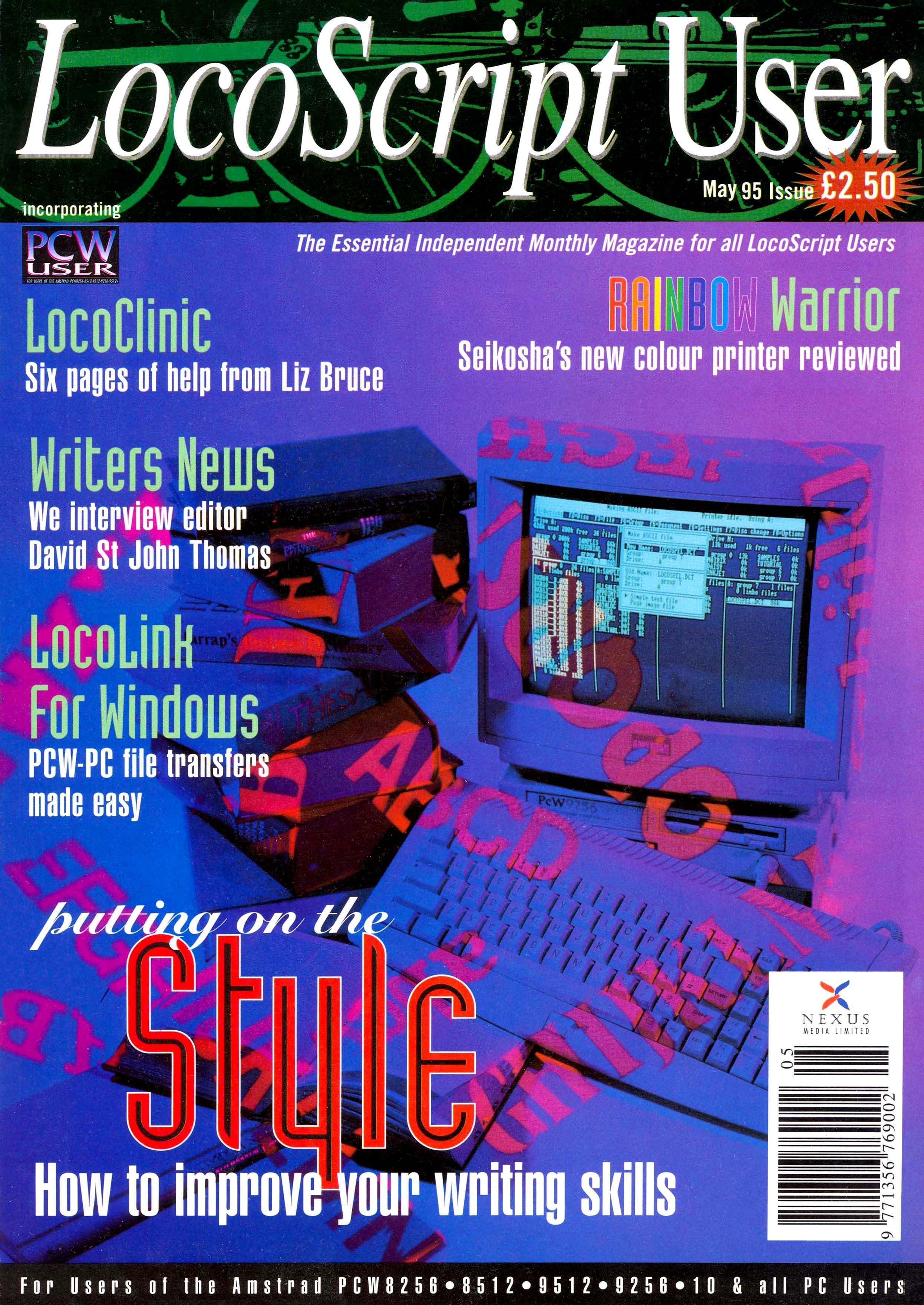
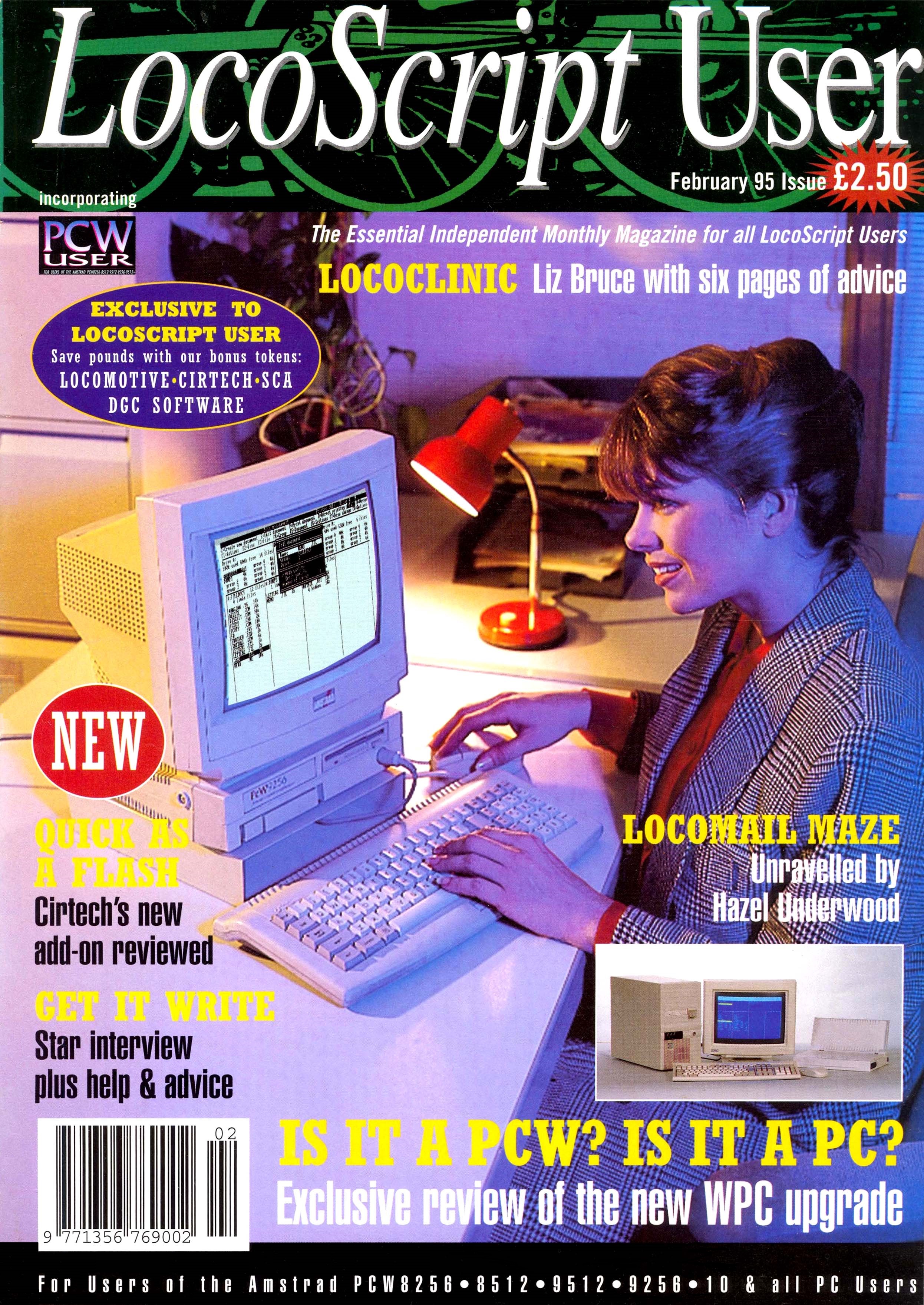
LocoScript User magazine, published by the LocoScript User Group (LUG), emerged as a natural evolution to support the community following Amstrad's commercial era. Unlike Script (Locomotive Software's direct newsletter), this publication began as a user-led initiative to delve into the advanced use of the word processor, becoming a meeting point for professional, administrative, and literary environments.
Issue 1 was published in 1994 as the spiritual successor to Script magazine (which ended in 1992). Despite being born when the PCW was already considered a niche system, the publication maintained an impressive run for over a decade, officially closing its cycle in December 2005 with Issue 44. This figure has been verified as the final end of the printed support era for the platform.
CHRONOLOGY AND PERIODICITY
The magazine's 11-year longevity is explained by its quarterly/triannual frequency (3 issues per year), which allowed for a stability that monthly newsstand magazines could not sustain. Issue 44 is recognized by the community as the system's "technical testament," featuring a cumulative index of a decade's worth of tricks, patches, and hardware solutions.
TECHNICAL RESISTANCE AND LATE SUPPORT
During its final stage (2000-2005), the magazine focused on hardware survival and adaptation to modern times:
- [#] Drive Adaptation: Essential guides for replacing original 3" drives with standard 3.5" PC drives.
- [#] Modern Drivers: Distribution of patches allowing LocoScript 4 to print on contemporary Inkjet and Laser machines.
- [#] LUG Library: Access to a vast library of public domain software and utility discs exclusive to subscribers.
EVOLUTION AND LINK TO SD MICROSYSTEMS
Following the cessation of Locomotive Software, the rights were transferred to Steve Denson (SD Microsystems) in 1999. The LUG worked closely with him to ensure the supply of consumables and official technical assistance long after Amstrad had discontinued the machines.
TYPICAL TECHNICAL CONTENT
- [#] LocoScript 3 and 4: Use of scalable fonts, columns, and management of the 10 copy/paste buffers.
- [#] Interoperability: Tutorials for moving documents between PCW and Windows using LocoLink.
- [#] Maintenance: Cleaning techniques and preservation of drive heads and reading units.
THE LOCOSCRIPT SOFTWARE LEGACY
Thanks to the loyalty of the LUG, the LocoScript Software brand continued to operate for years, preserving the ecosystem's copyright. This has allowed much of the material to be preserved today under permissive licenses, with LocoScript User serving as the final historical record of a community that refused to abandon its technology after the closure of its final printed issue in 2005.
[ EXPLORE THE COMPLETE COLLECTION ORGANIZED BY TECHNICAL STAGES ]