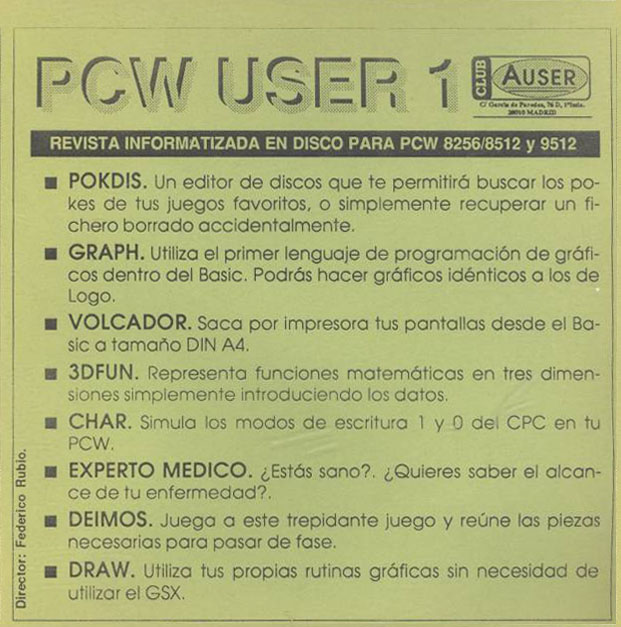
TECHNICAL DATA

In September 1989, the second magazine on disk support for Amstrad PCW users was released in the Spanish market. After the failure of the first Spanish disk magazine dedicated entirely to the Amstrad PCW called "[[en:tu_amstrad_pcw|Tu Amstrad PCW]]", another attempt was made to keep the PCW afloat by attracting the attention and demand of the users of these machines.
The magazine focused solely on the PCW range, receiving an enormous acceptance from PCW users, which led Club Auser to decide to continue with future releases. Many users demanded an exclusive magazine for the PCW, as the main magazines of the time had very scarce articles and dedication to this range compared to other Amstrad computers, such as the CPCs, which occupied almost all the pages.
The collection consists of 5 issues, released as follows:
- Issue 1 - September 1989.
- Issue 2 - November 1989.
- Issue 3 - January 1990.
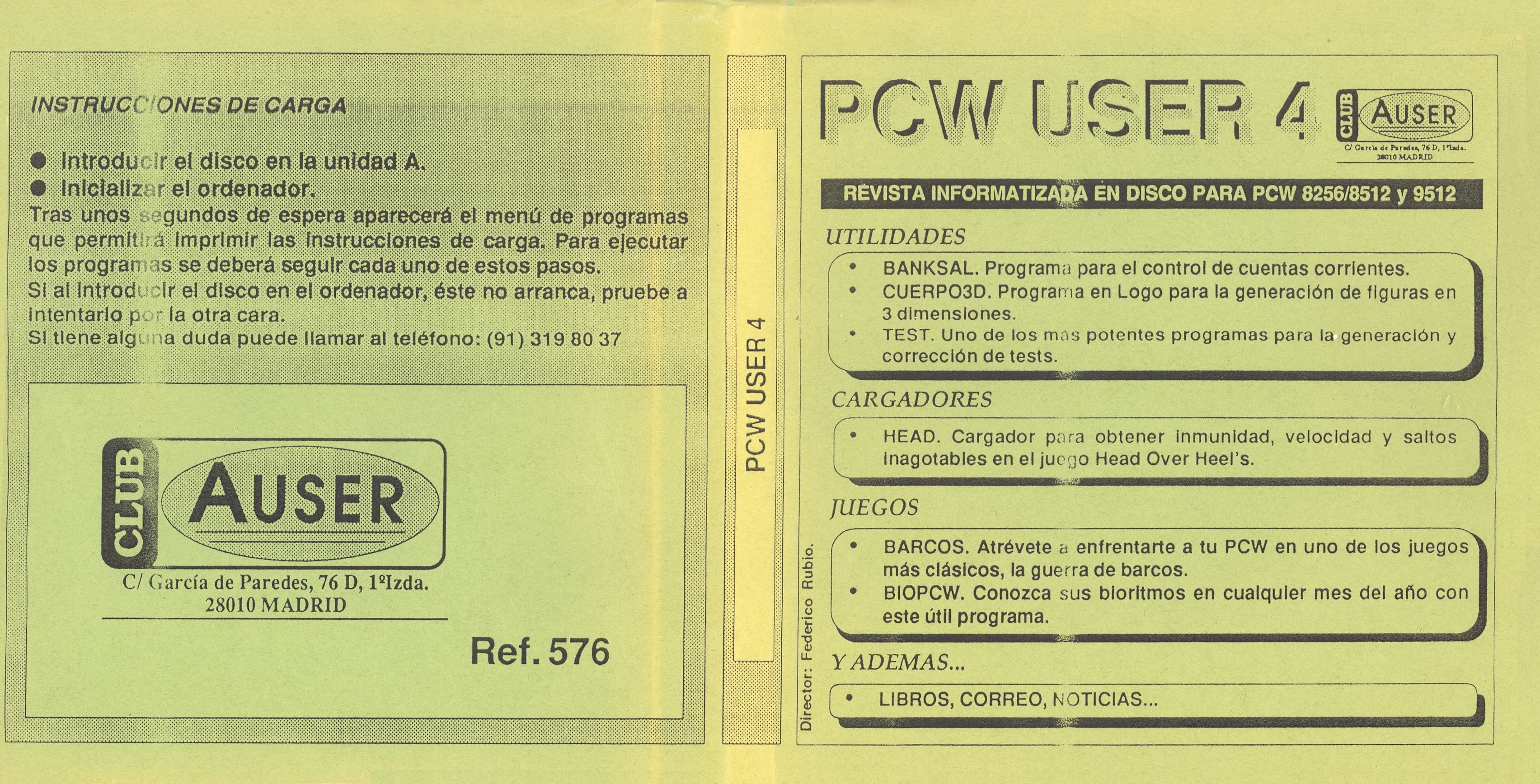
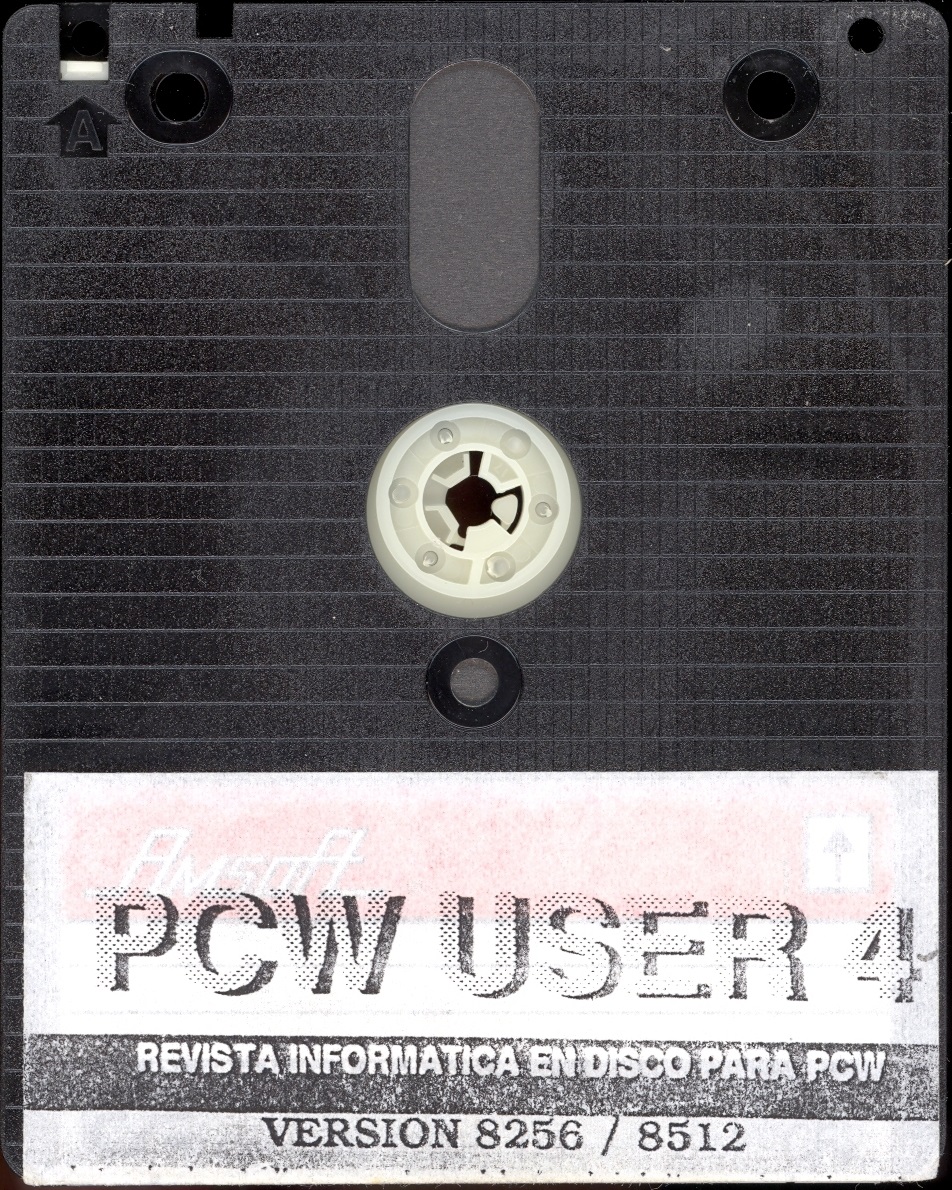
- Issue 4 - April 1990.
- Issue 5 - June 1990.
- Issue 6 - August 1990. Its launch was announced, although this last issue never saw the light of day.
It was one of the most interesting software collections for PCW 8256, PCW 8512, and PCW 9512 users. The magazine was maintained thanks to the programs and information contributed by the users themselves.
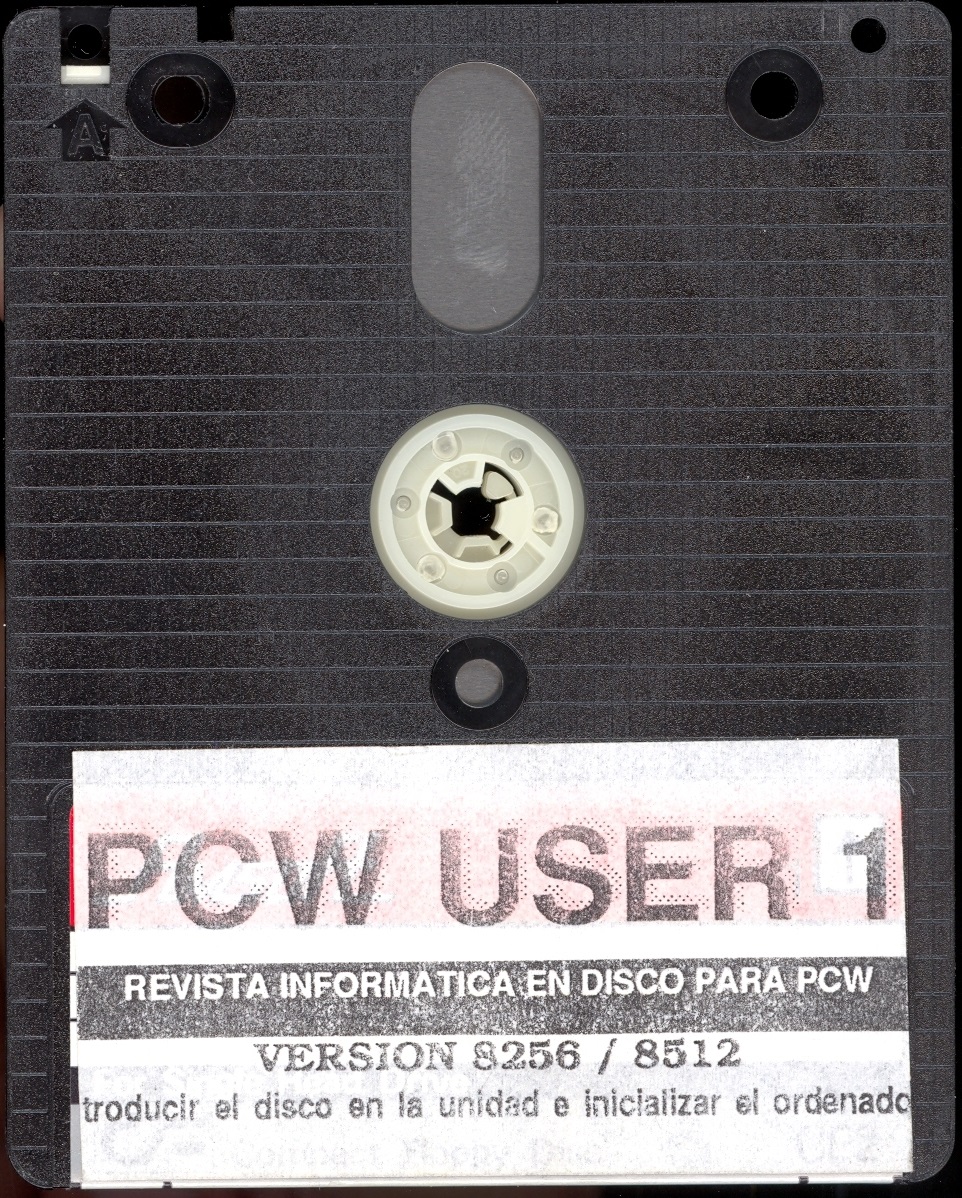
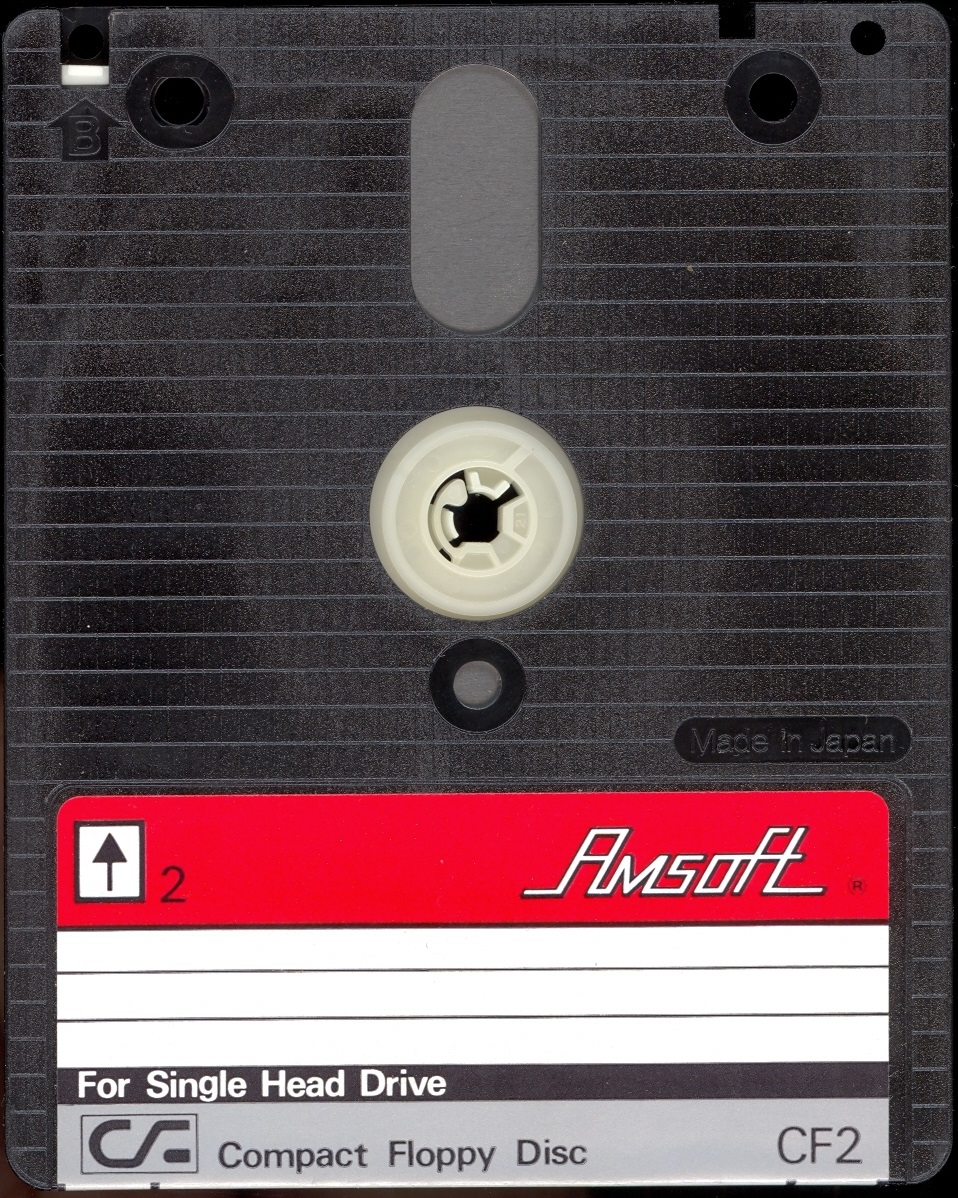
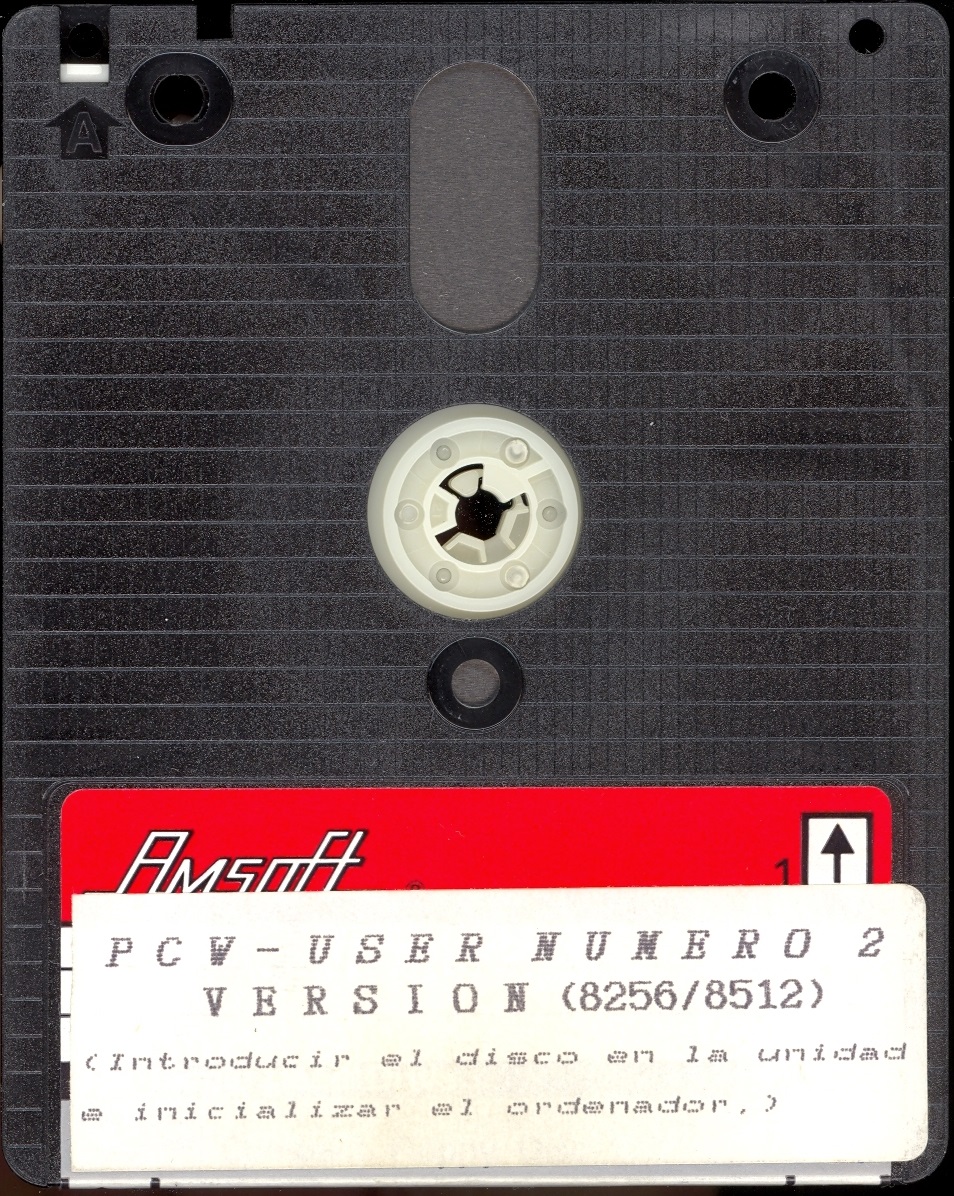
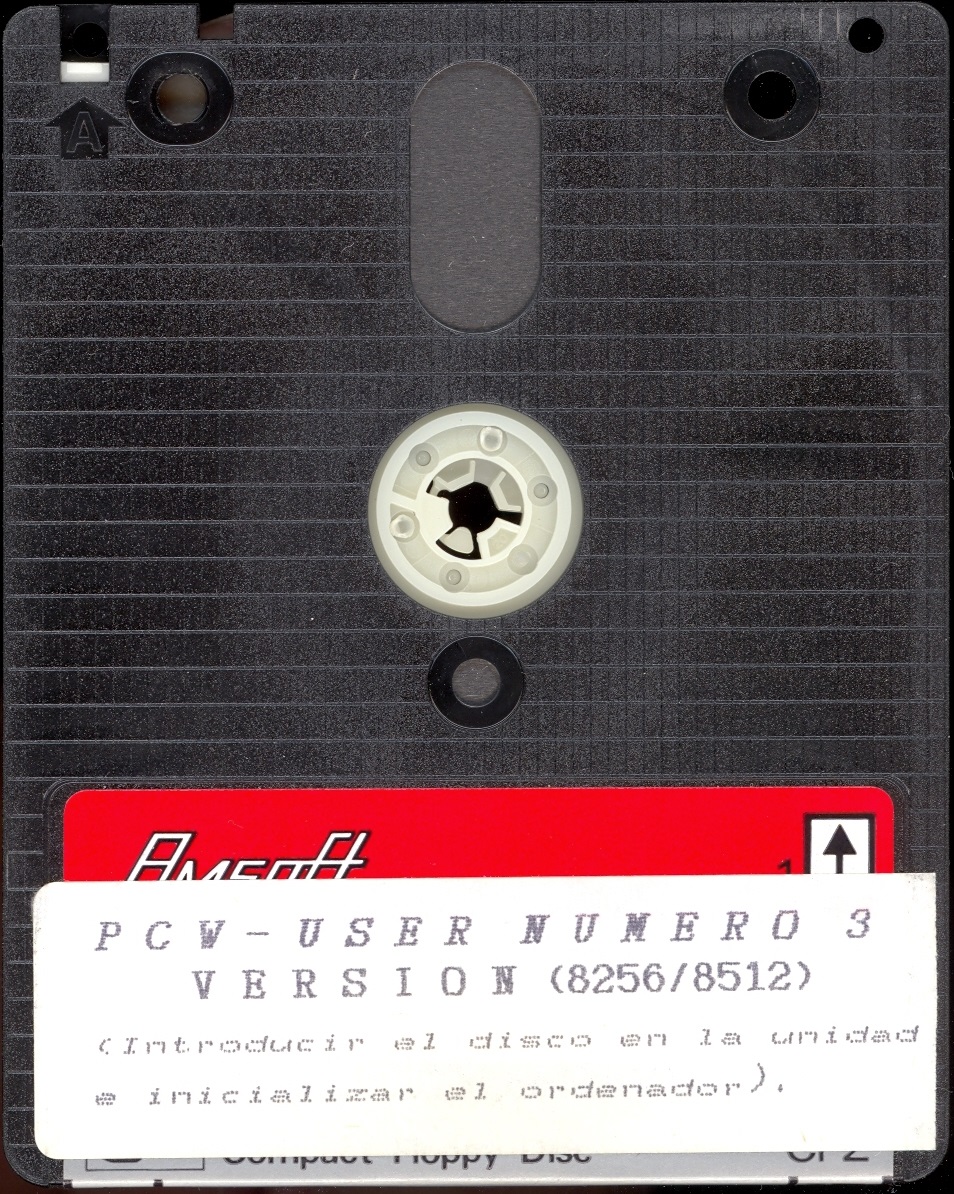
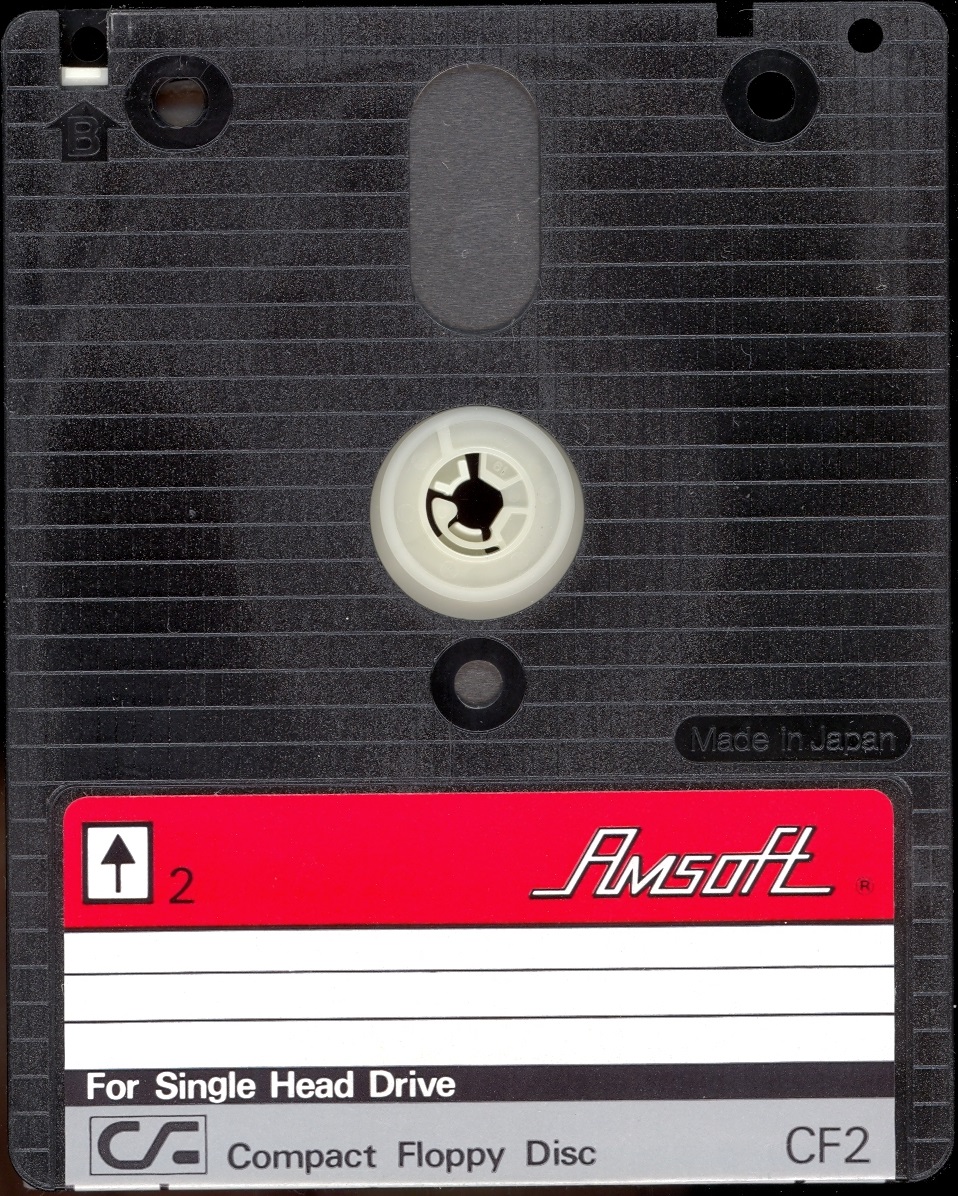
It was one of the most complete magazines on 3" disk support, in double-sided, single-density CF2 format recorded on both sides, with unique and exclusive content for PCW. Its content was very varied and extensive, creating more enthusiasts and making it one of the most important magazines for this range of computers.
Some of its contents included: pokes or loaders for some games (very necessary due to the difficulty of finishing some of them), programs including utilities, graphics, educational tools, etc., programming languages, games and programs in Mallard BASIC, Logo, information on the latest news, mail, books, applications, and a long etcetera.
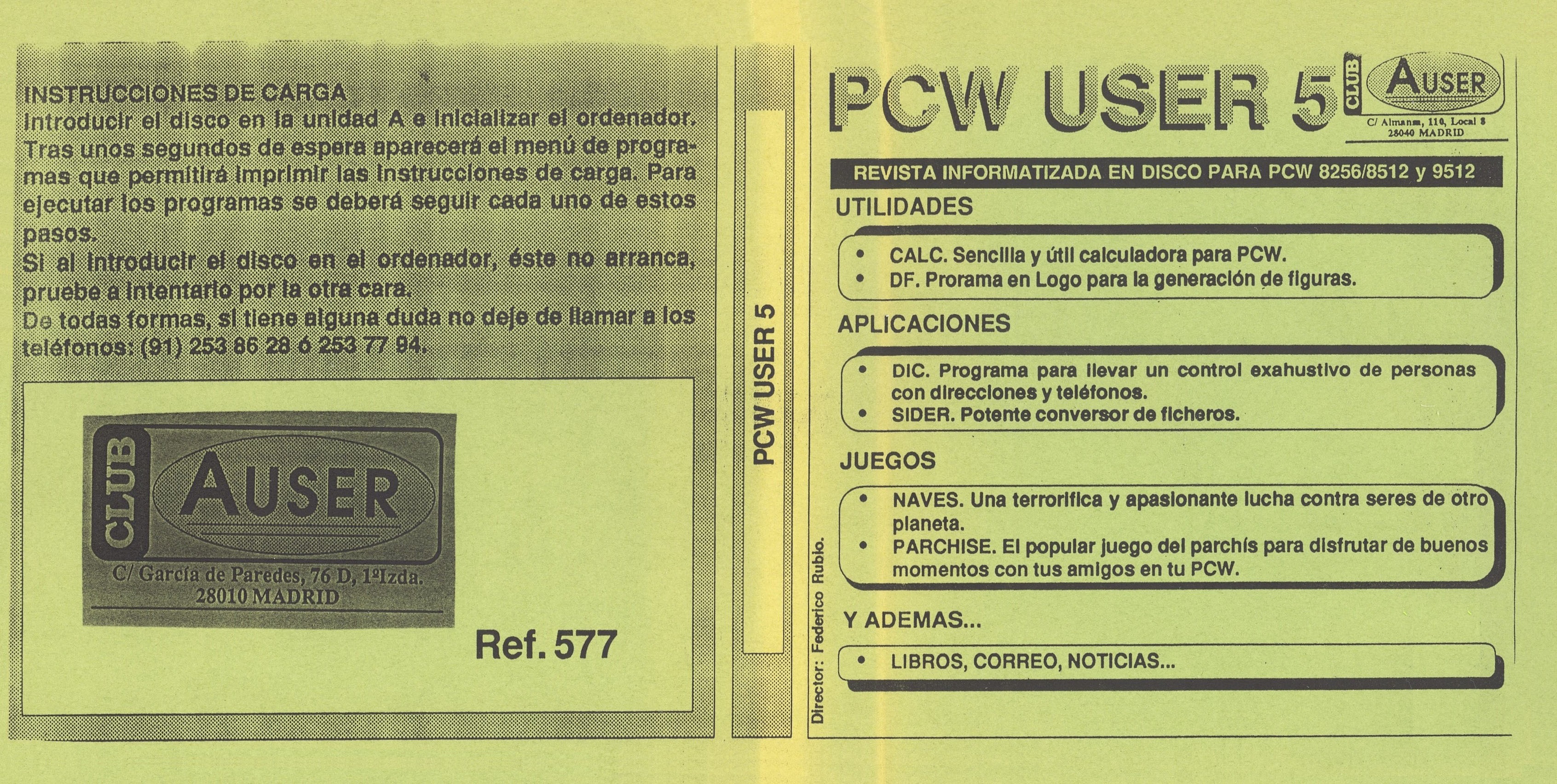
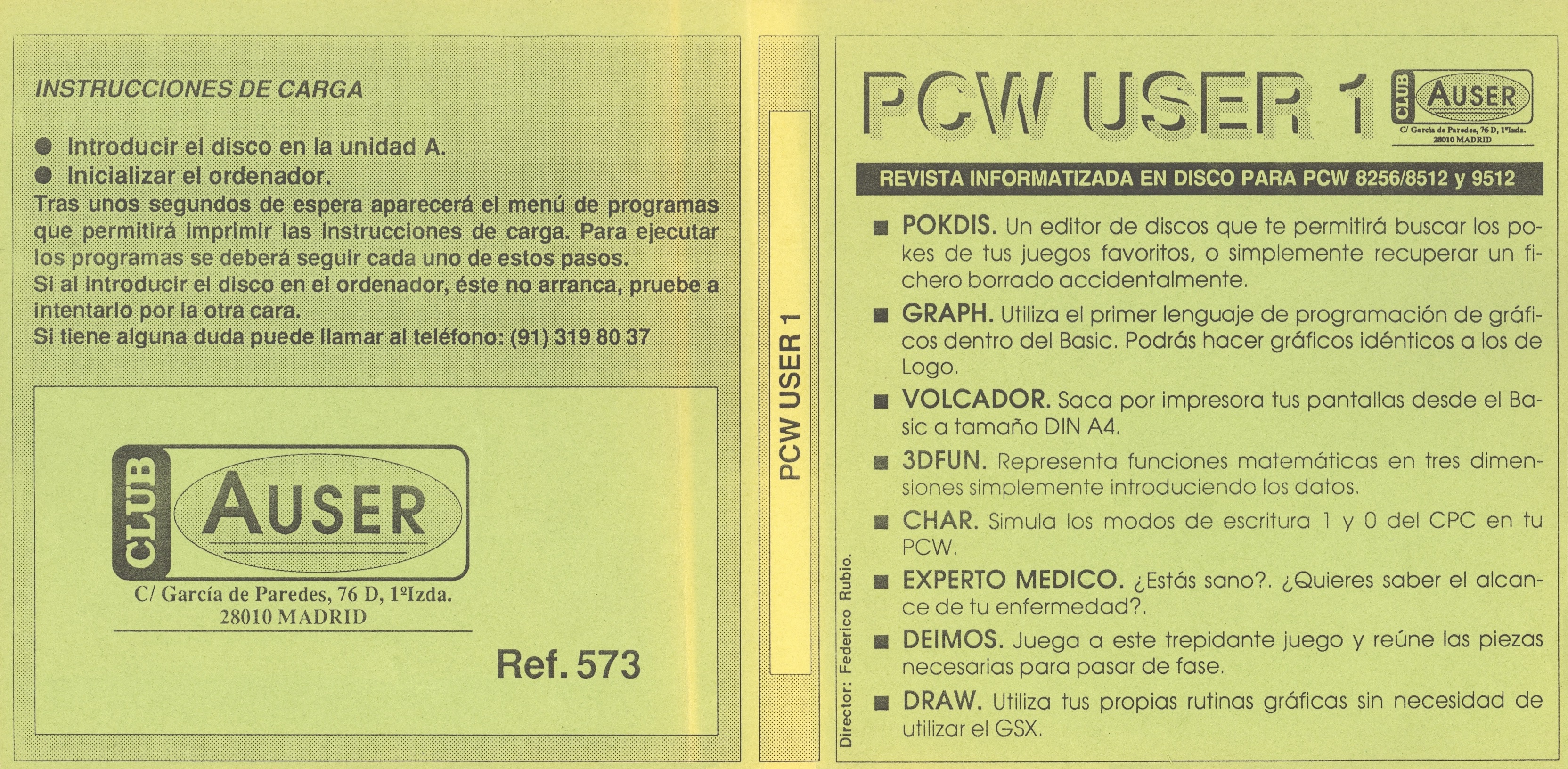
Loading Instructions:
• Insert the disk into drive A (Side A).
• Reset the computer.
• After a few seconds, the program menu will appear, allowing you to print the loading instructions. To run the programs, each of these steps must be followed.
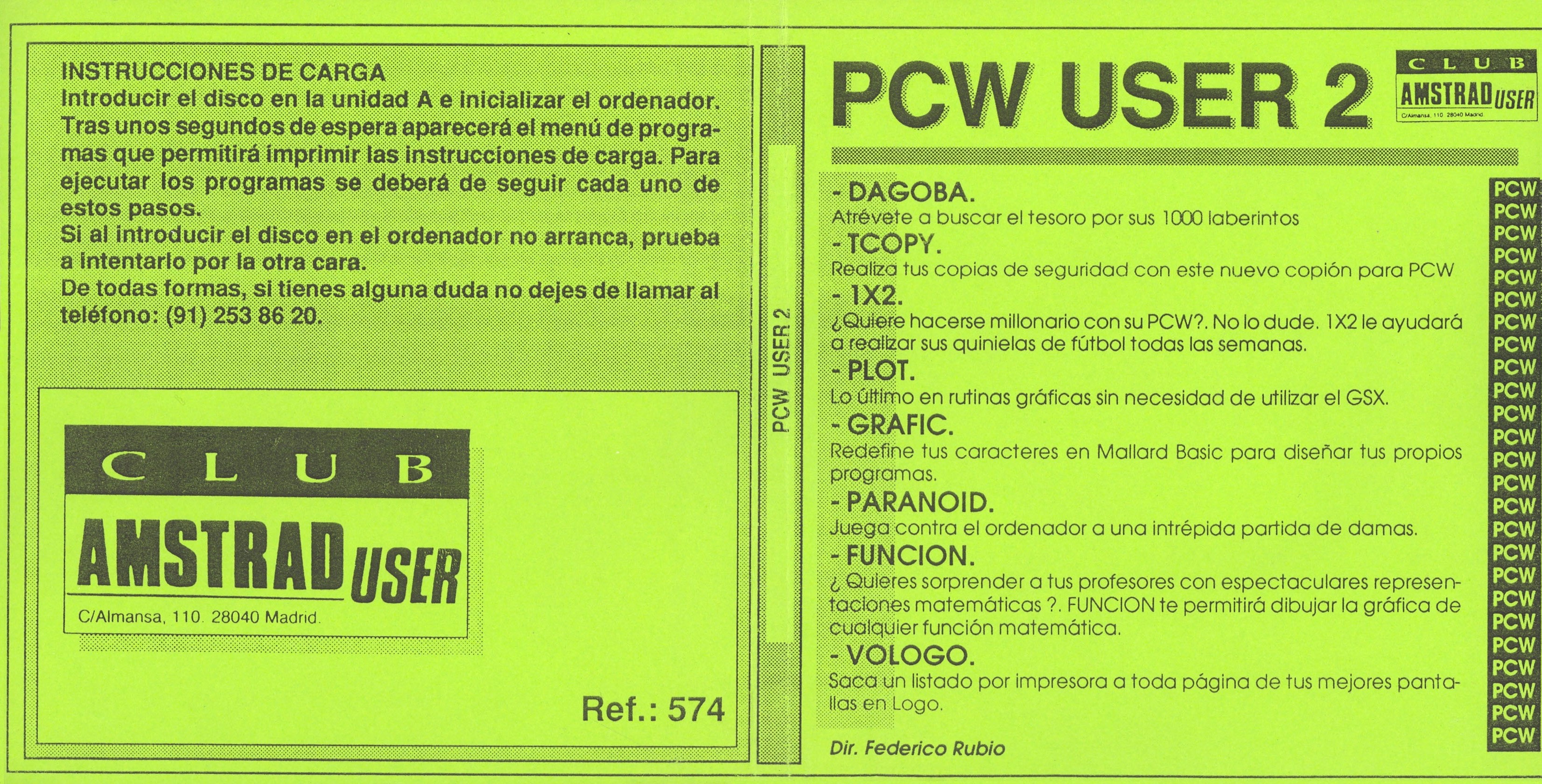
- 3DFun: Program for creating 3D graphical representations of functions.
- Graph: The first graphics programming language.
- Pokdis: Essential program for searching for pokes.
- Volcador: Utility for printer screen dumps.
- Char: Letter generator for CPC modes 1 and 2.
- Medico: Medical program to diagnose any disease.
- Deimos: Game where we must face a thousand mazes.
- Draw: Set of routines that generate Plot and Draw instructions.
- Paranoid: Intrepid game of checkers.
- Plot: The latest in graphic routines without the need to use GSX.
- Volcador: Prints a full-page listing of your best Logo screens.
- Pixmap: Redefine your own characters and use them later in your programs.
- Funcion: Spectacular mathematical representations in a graphical mode.
- Copyd: Copier for making backup copies.
- 1X2: Program that will help us fill out our football pools.
- Dagoba: Game of thousands of mazes in search of lost treasure.
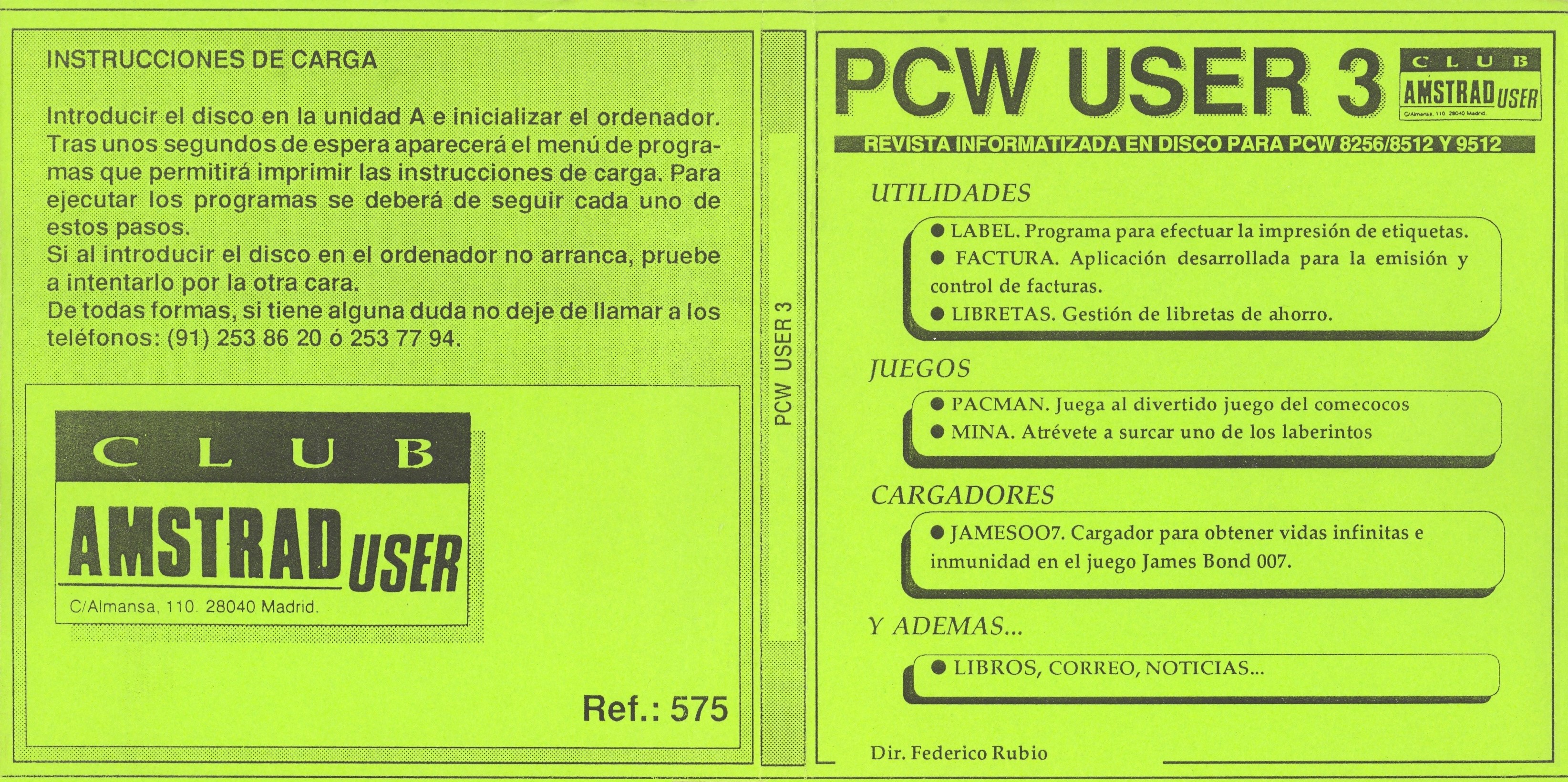
- Facturas: Application developed for issuing and controlling invoices.
- Libreta: Savings account management.
- TRJB: Loader to obtain infinite lives in the game James Bond 007.
- Mina: Game where we must navigate dangerous mazes.
- Sub: Fun "Pac-Man" style game but in a more original way.
- Label: Program for printing labels.
- Banksal: Program for controlling current accounts.
- TRHH: Loader to obtain infinite lives and immunity in the game Head Over Heels.
- Test: Powerful program for generating and correcting tests.
- Barcos: Classic battleship game.
- Biopcw: Generator to know your biorhythms at all times.
- Sider: Powerful file converter.
- Parchise: The popular game of Parcheesi.
- Naves: Exciting game of fighting against beings from another planet.
- Calc: Simple and useful calculator.
- Dic: Program to manage contacts with addresses and telephone numbers.
- Df: Logo program for generating shapes.