
en:software:nuevos_desarrollos:goldenaze
GOLDEN AXE
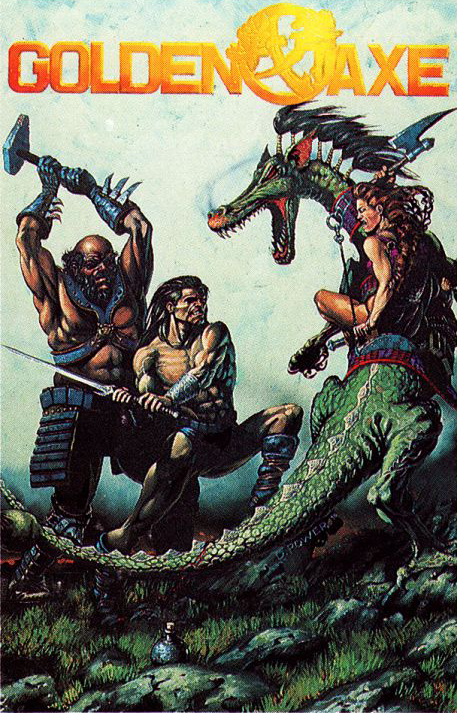
TECHNICAL SHEET

Company:Virgin Games / SEGA
Publisher:Virgin Games / SEGA
Production Team:Original Design: Makoto Uchida (SEGA)
8-Bit Programming: Probe Software
8-Bit Programming: Probe Software
Ported By:Enrique G. Gálvez (EnriqueGGalvez Itch.io)
Release Year:1989 (Arcade) / 1990-1991 (8-Bit Home Computers)
Port Year:2026
Compatibility:Amstrad PCW (Minimum 512K RAM) / PCW# mini Hardware
Peripherals:Keyboard / Joystick Support / DK'Sound Audio
Boot Type:Autoboot
Genre:Beat 'em up / Hack and Slash / Fantasy Action
Language:English
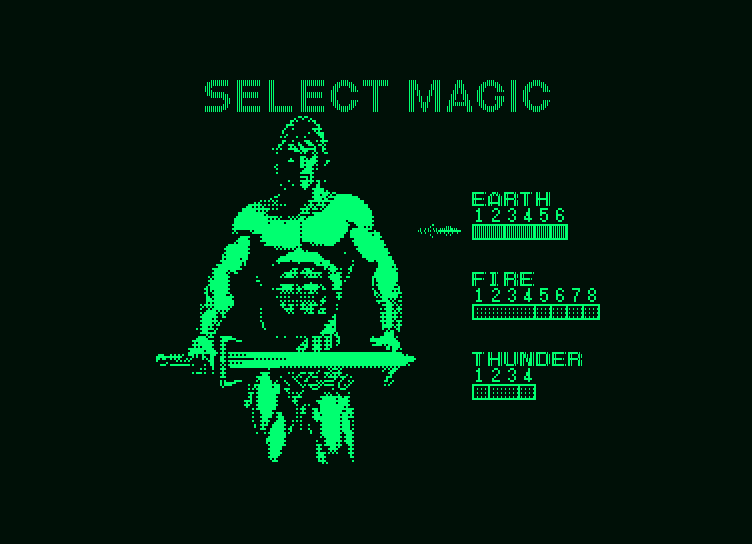
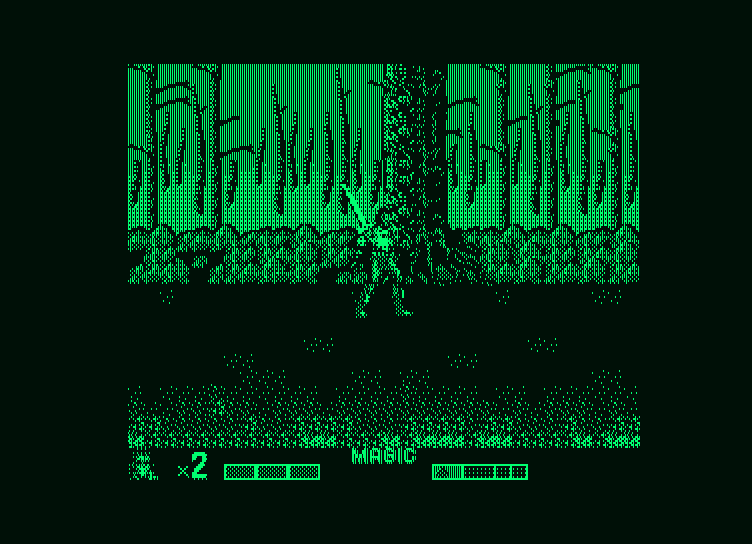
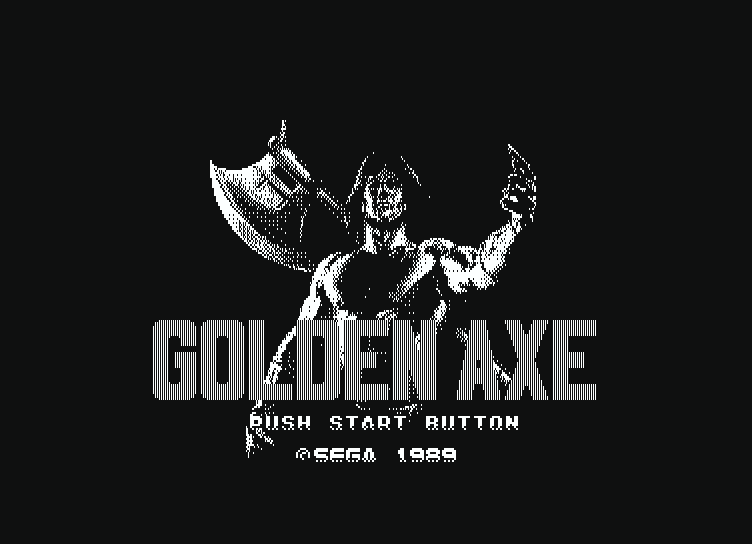
Screenshots
 |
 |
 |
 |
 |
 |
 |
 |
Description
Golden Axe stands as one of the greatest milestones in arcade history. Created by Makoto Uchida for SEGA in 1989 on the legendary System 16-B board, it set the structural foundations for the sword and sorcery subgenre within the beat 'em up scene. The plot immerses us in the devastated realm of Yuria, tyrannized by the ruthless Death Adder, who holds the King and Princess captive after seizing the ceremonial Golden Axe. Players take control of three warriors driven by absolute vengeance: Ax Battler, the barbarian whose mother was murdered; Tyris Flare, the amazon who witnessed her parents' execution; and Gilius Thunderhead, the axe-wielding dwarf whose brother fell to the tyrant's vanguard. Its massive commercial success spawned iconic European home computer ports distributed by Virgin Games and classic console conversions like the legendary Sega Master System II.
In the year 2026, tech-preservationist Enrique G. Gálvez shatters the technical boundaries of the retro scene with an extraordinary native port optimized for Amstrad PCW ecosystems and modern PCW# mini expanded hardware. Unlike early commercial office software designed for monoclinic high-density configurations, this homebrew architecture pushes the absolute limits of the physical Z80 processor. The core engine strictly requires a minimum of 512K RAM to hold the dynamic visual buffers and the comprehensive sprite collision table.
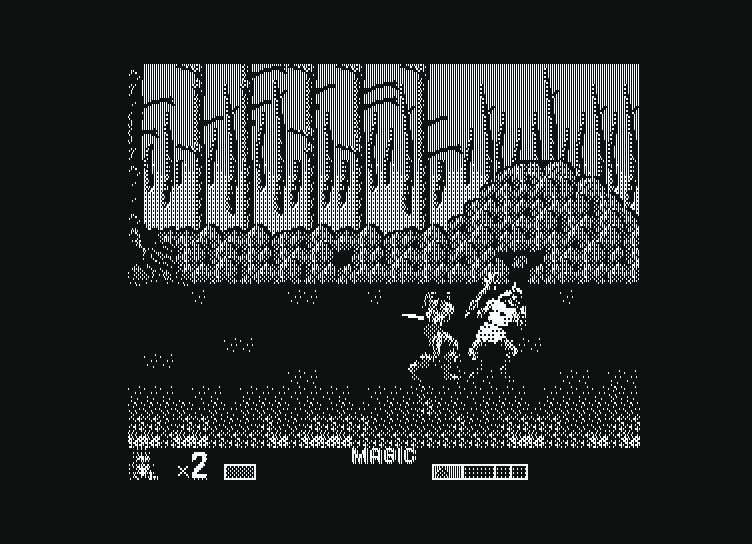
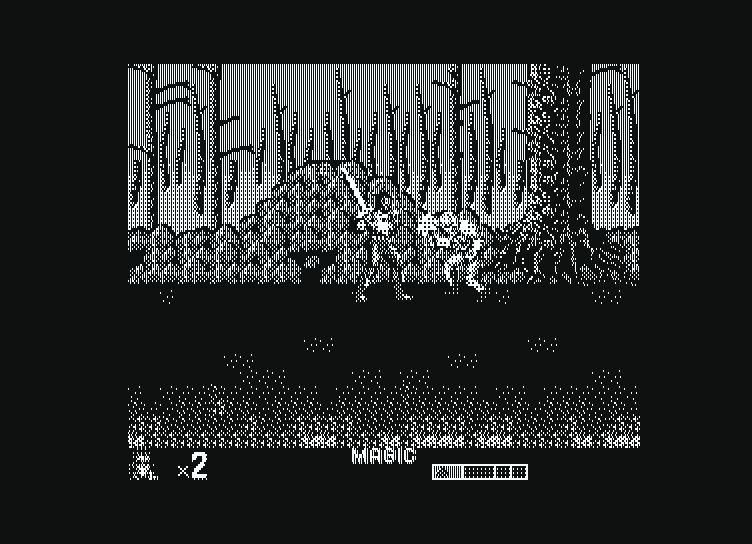
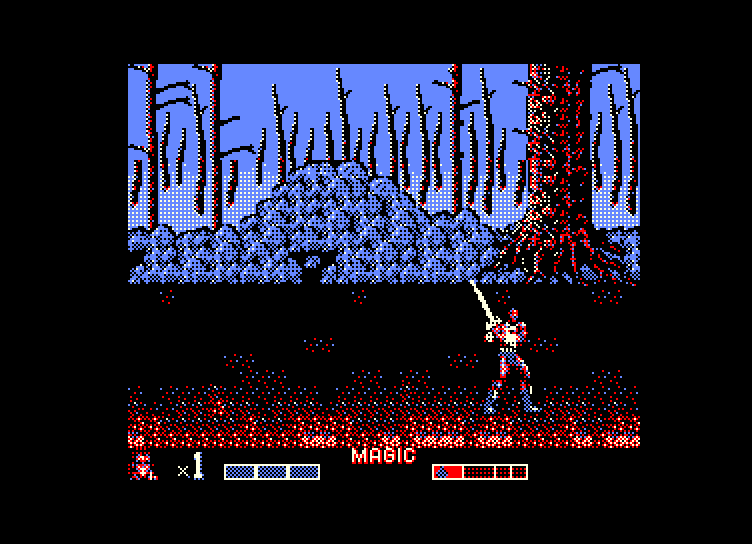
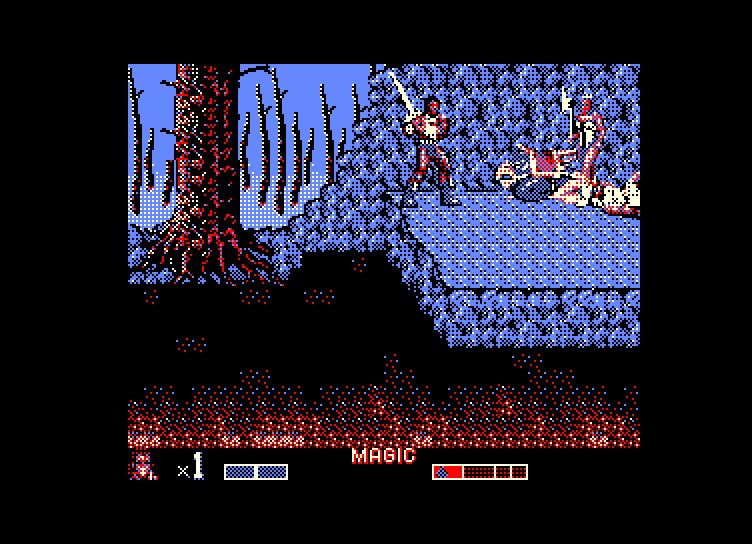
The port deploys an astonishing display of machine-code optimization. On classic stock PCW rigs, it provides smooth combat scroll mechanics along with a tailored dithering filter mapping for crisp green-phosphor display output. However, the definitive breakthrough arrives with its plug-and-play compatibility with the next-gen PCW# mini hardware, where the engine unlocks a custom full-screen 4-color mode that mirrors the visual style of early 8-bit home consoles. The arcade experience is rounded out by full integrated support for legacy Atari-standard Joysticks and multichannels music routines routed via the DK'Sound peripheral interface, delivering an authentic reproduction of the original soundtrack.
In the year 2026, tech-preservationist Enrique G. Gálvez shatters the technical boundaries of the retro scene with an extraordinary native port optimized for Amstrad PCW ecosystems and modern PCW# mini expanded hardware. Unlike early commercial office software designed for monoclinic high-density configurations, this homebrew architecture pushes the absolute limits of the physical Z80 processor. The core engine strictly requires a minimum of 512K RAM to hold the dynamic visual buffers and the comprehensive sprite collision table.
The port deploys an astonishing display of machine-code optimization. On classic stock PCW rigs, it provides smooth combat scroll mechanics along with a tailored dithering filter mapping for crisp green-phosphor display output. However, the definitive breakthrough arrives with its plug-and-play compatibility with the next-gen PCW# mini hardware, where the engine unlocks a custom full-screen 4-color mode that mirrors the visual style of early 8-bit home consoles. The arcade experience is rounded out by full integrated support for legacy Atari-standard Joysticks and multichannels music routines routed via the DK'Sound peripheral interface, delivering an authentic reproduction of the original soundtrack.
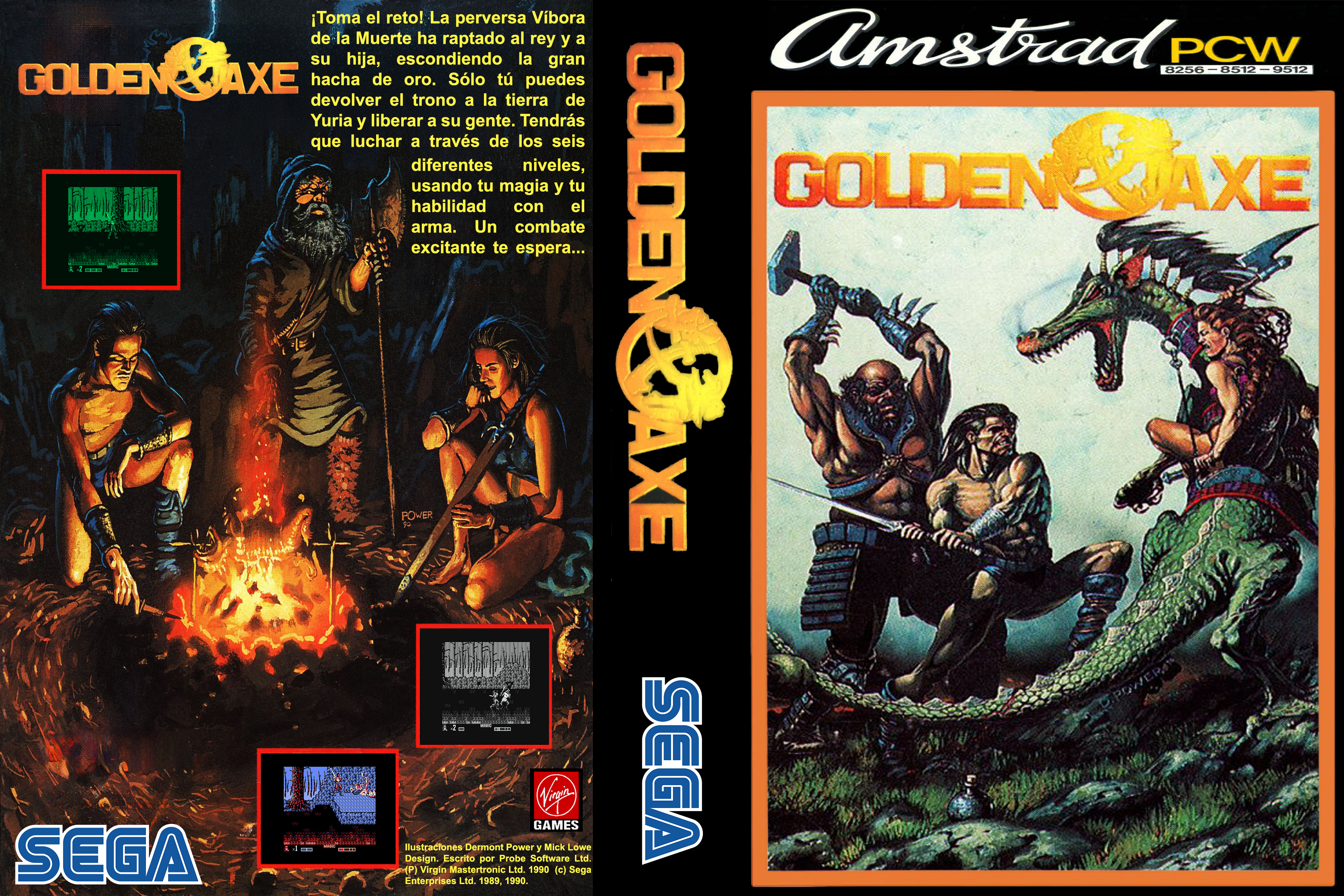
Box Art
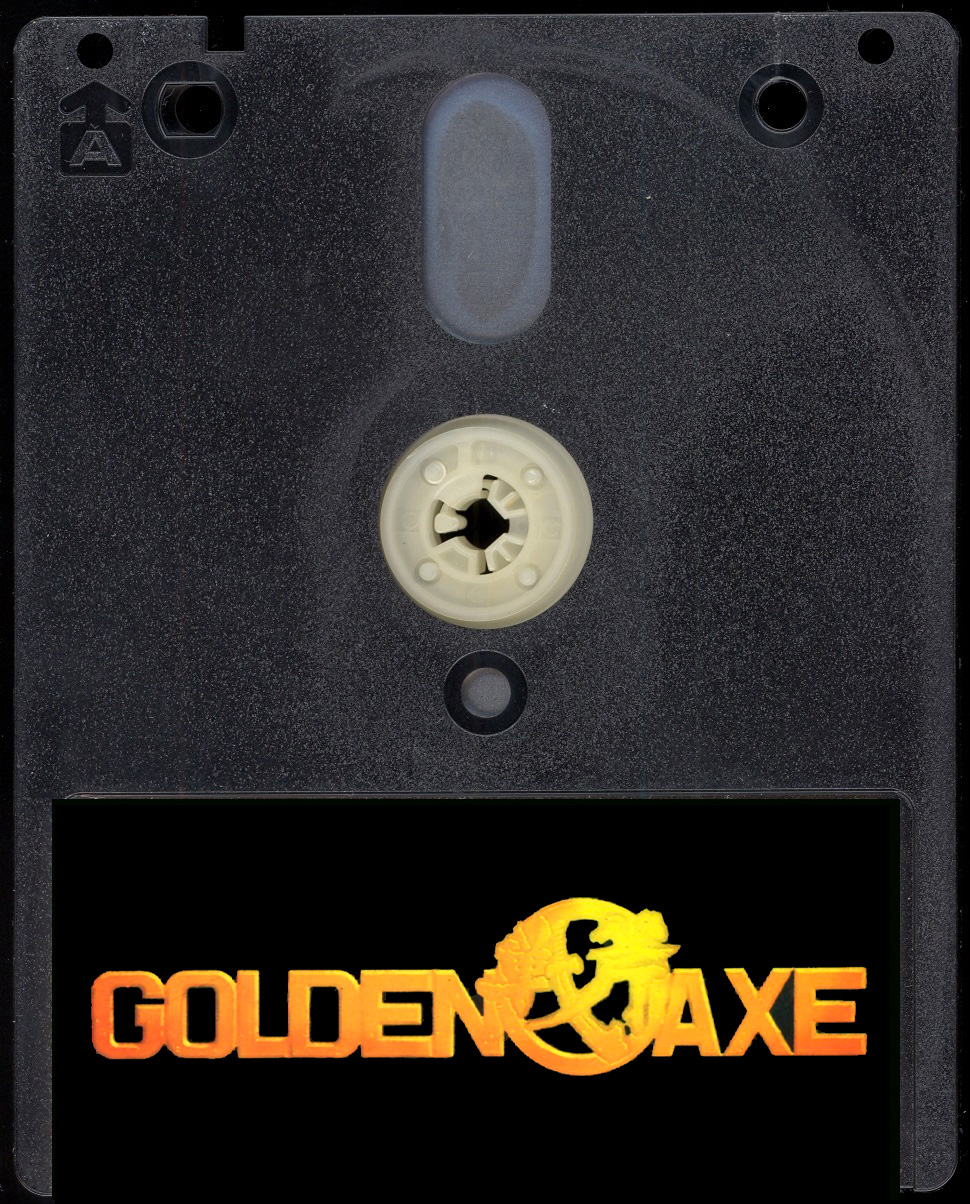
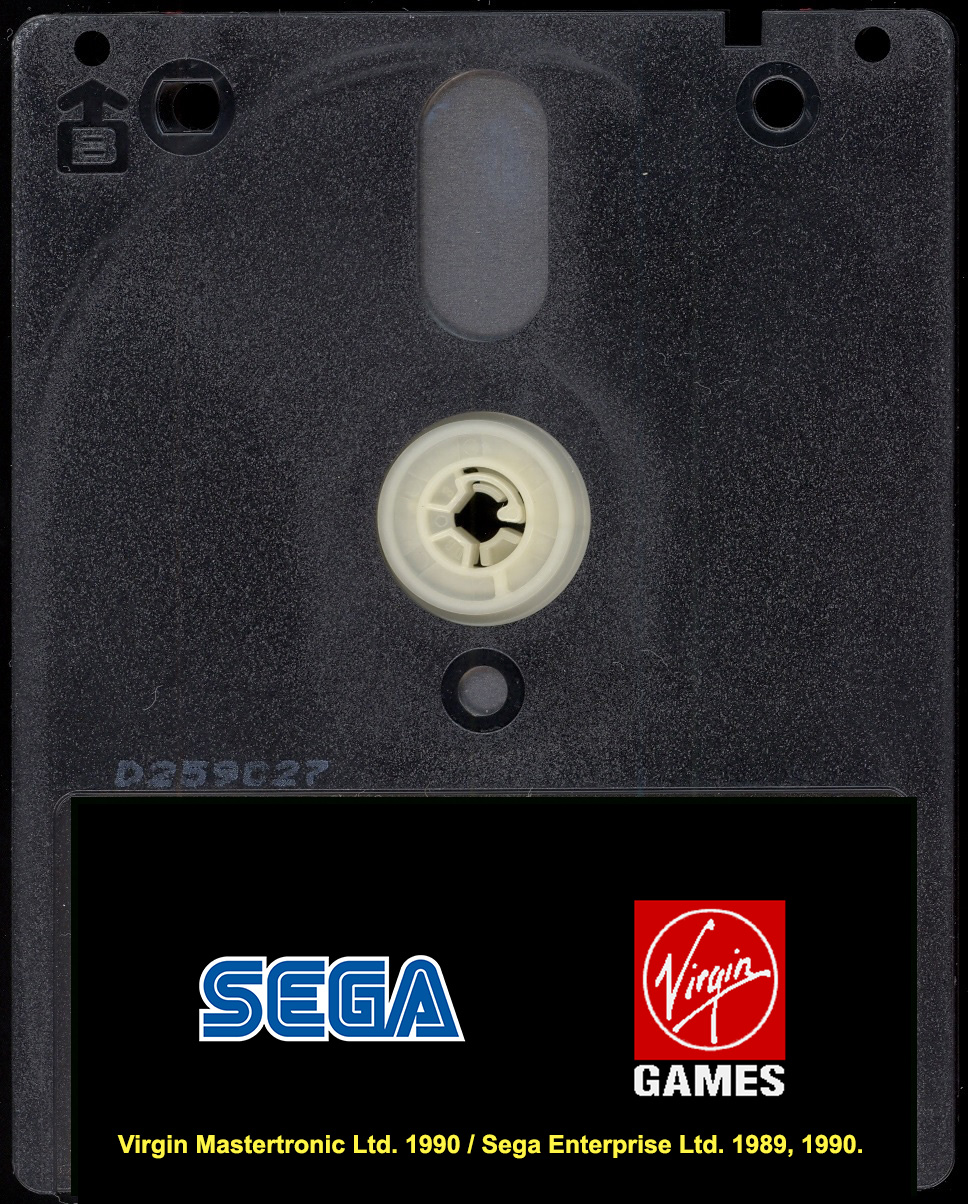
Disks

Disk Labels
Standardized sizing framework for Amstrad 3-inch floppy diskettes: Height: 7.00 cm - Width: 7.10 cm.
Input Configuration and Keyboard Framework
Movement:Cursor arrow keys to move up, down, left, and right / Support for legacy Atari Joysticks.
Weapon Attack:X key to use weapon and interact within close-quarters combat.
Tactical Jump:Z key to jump (vital to evade incoming enemy charges or trigger air strikes).
Cast Magic:Enter key to consume magic pots and unleash full-screen elemental magic graphics.
Extras
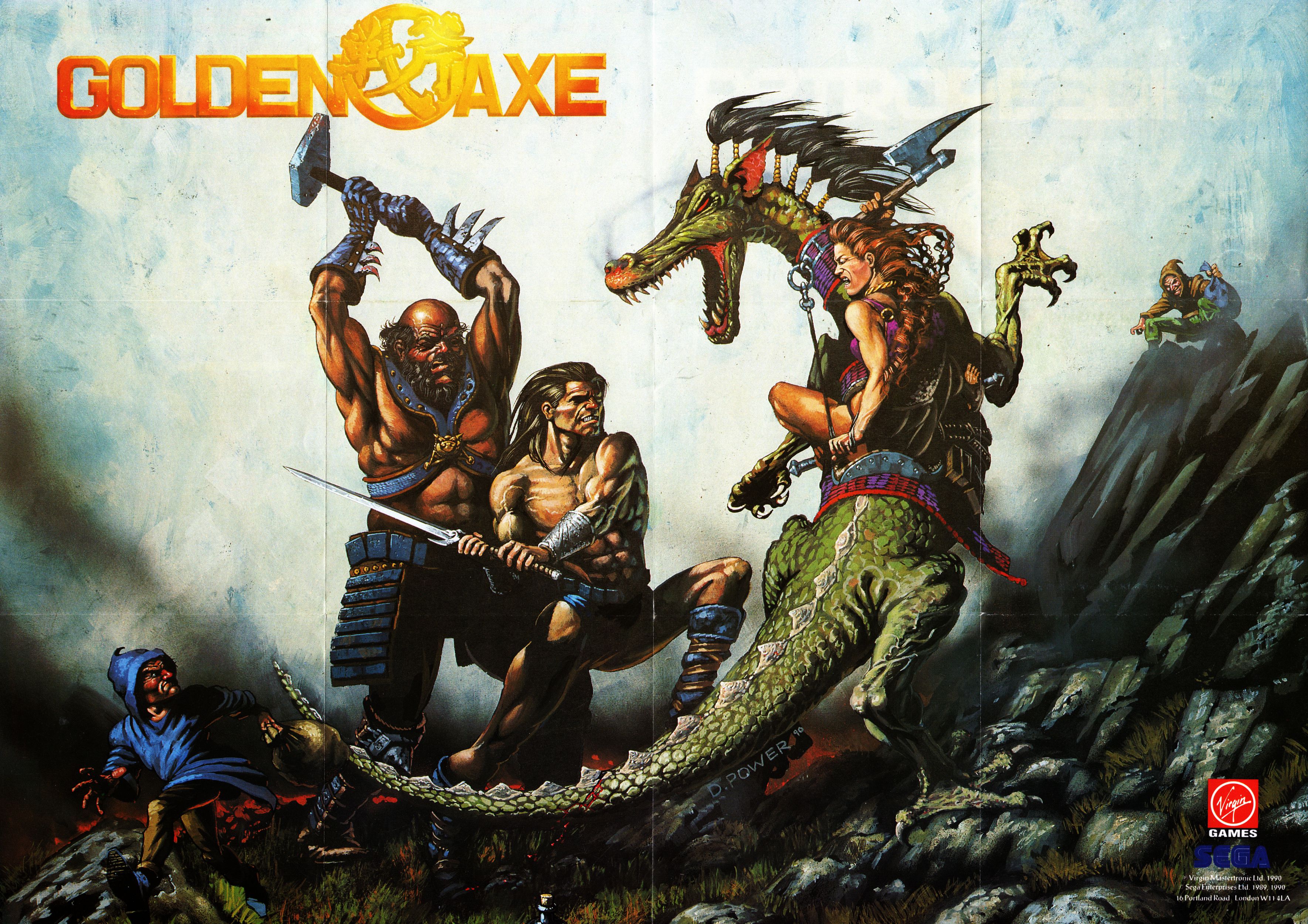
Historical Preservation Poster
The legendary hero-fantasy artwork included inside the classic European Virgin Games and SEGA publishing catalogs, preserved in high definition.
Downloads Available
Game File
Manuals
Videos
en/software/nuevos_desarrollos/goldenaze.txt · Última modificación: por jesus