
en:software:nuevos_desarrollos:goldenaze
¡Esta es una revisión vieja del documento!
GOLDEN AXE
TECHNICAL SHEET

Company:Virgin Games / SEGA
Publisher:Virgin Games / SEGA
Production Team:Original Design: Makoto Uchida (SEGA)
8-Bit Programming: Probe Software
8-Bit Programming: Probe Software
Ported By:Enrique G. Gálvez (EnriqueGGalvez Itch.io)
Release Year:1989 (Arcade) / 1990-1991 (8-Bit Home Computers)
Port Year:2026
Compatibility:Amstrad PCW (Minimum 512K RAM) / PCW# mini Hardware
Peripherals:Keyboard / Joystick Support / DK'Sound Audio
Boot Type:Autoboot
Genre:Beat 'em up / Hack and Slash / Fantasy Action
Language:English
Screenshots
 |
 |
 |
 |
 |
 |
 |
 |
Description
Golden Axe stands as one of the greatest milestones in arcade history. Created by Makoto Uchida for SEGA in 1989 on the legendary System 16-B board, it set the structural foundations for the sword and sorcery subgenre within the beat 'em up scene. The plot immerses us in the devastated realm of Yuria, tyrannized by the ruthless Death Adder, who holds the King and Princess captive after seizing the ceremonial Golden Axe. Players take control of three warriors driven by absolute vengeance: Ax Battler, the barbarian whose mother was murdered; Tyris Flare, the amazon who witnessed her parents' execution; and Gilius Thunderhead, the axe-wielding dwarf whose brother fell to the tyrant's vanguard. Its massive commercial success spawned iconic European home computer ports distributed by Virgin Games and classic console conversions like the legendary Sega Master System II.
In the year 2026, tech-preservationist Enrique G. Gálvez shatters the technical boundaries of the retro scene with an extraordinary native port optimized for Amstrad PCW ecosystems and modern PCW# mini expanded hardware. Unlike early commercial office software designed for monoclinic high-density configurations, this homebrew architecture pushes the absolute limits of the physical Z80 processor. The core engine strictly requires a minimum of 512K RAM to hold the dynamic visual buffers and the comprehensive sprite collision table.
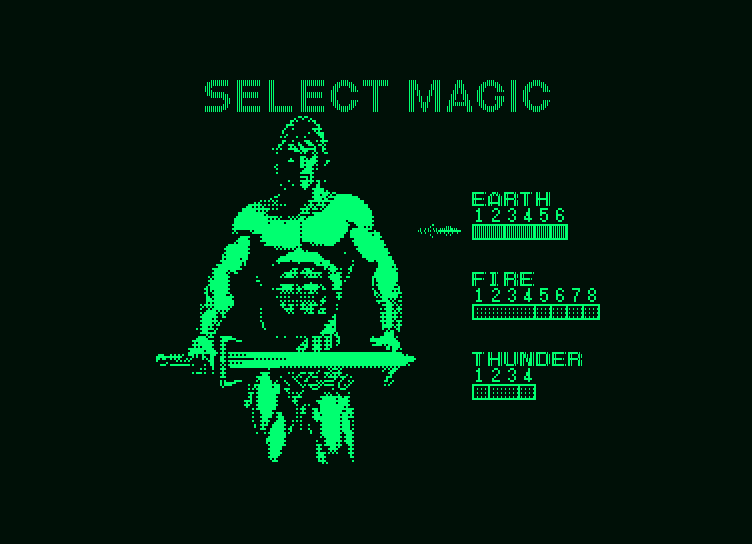
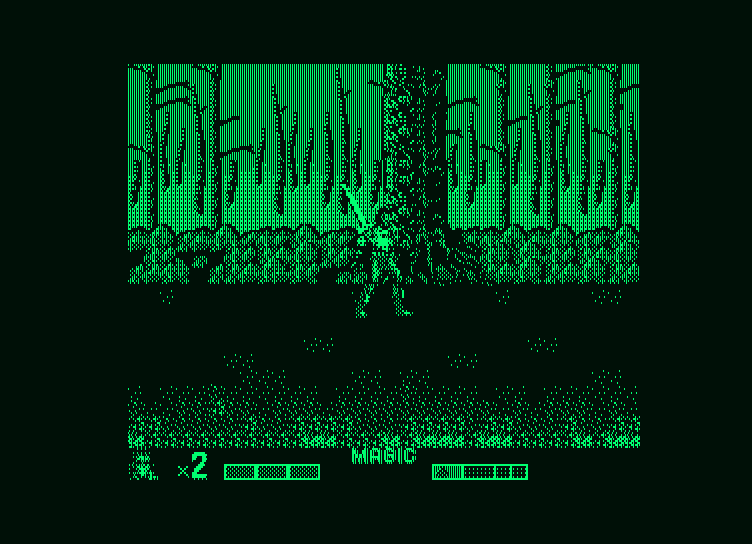
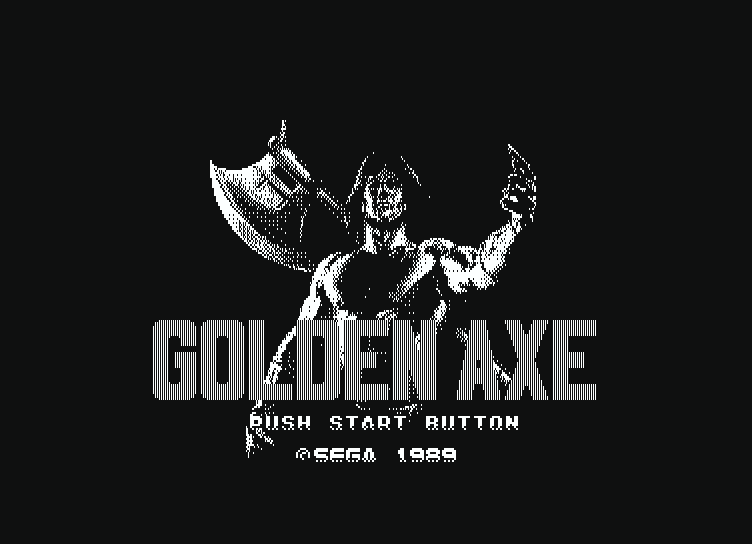
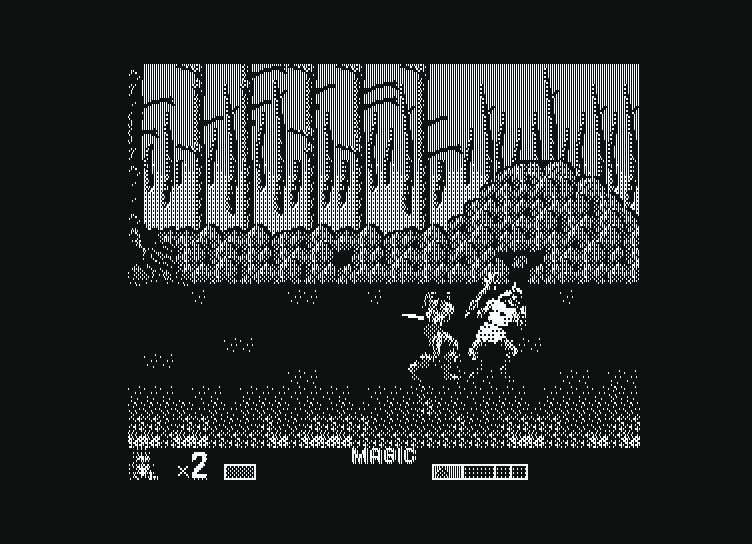
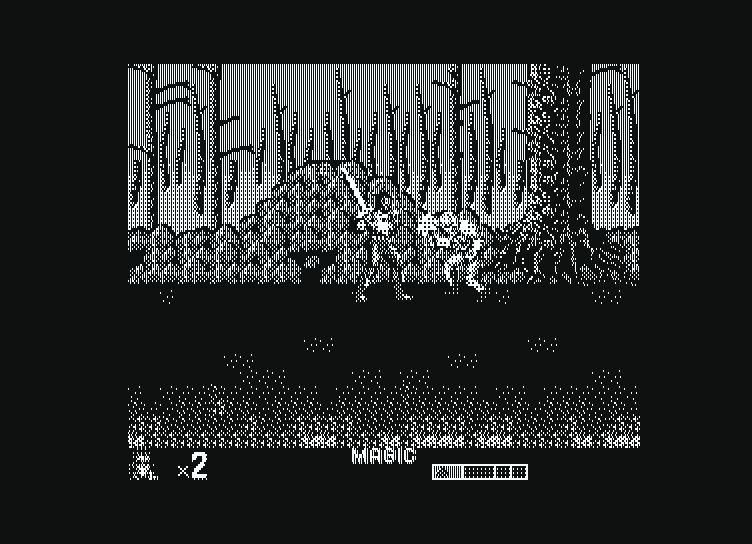
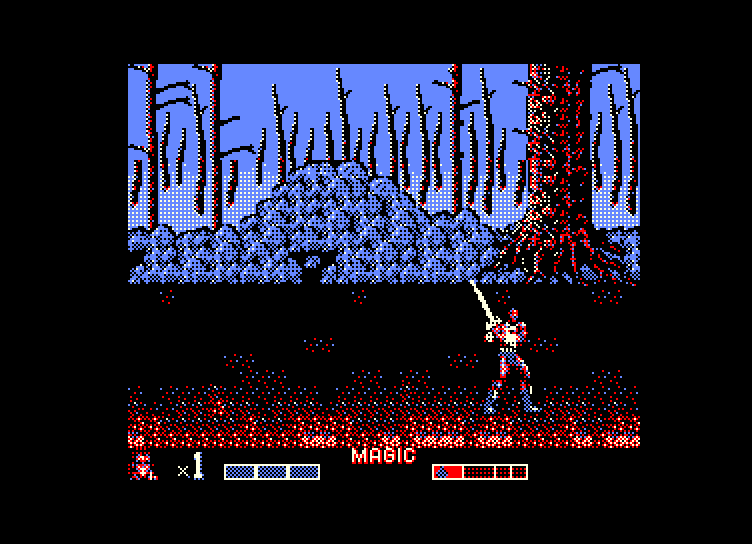
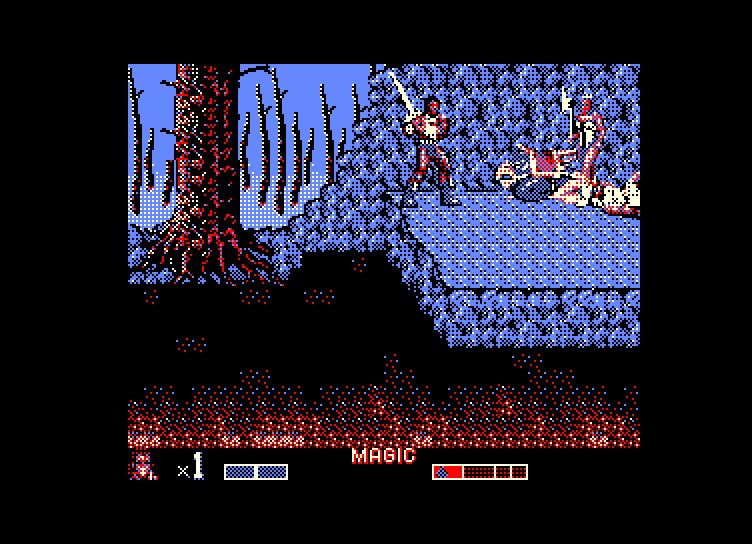
The port deploys an astonishing display of machine-code optimization. On classic stock PCW rigs, it provides smooth combat scroll mechanics along with a tailored dithering filter mapping for crisp green-phosphor display output. However, the definitive breakthrough arrives with its plug-and-play compatibility with the next-gen PCW# mini hardware, where the engine unlocks a custom full-screen 4-color mode that mirrors the visual style of early 8-bit home consoles. The arcade experience is rounded out by full integrated support for legacy Atari-standard Joysticks and multichannels music routines routed via the DK'Sound peripheral interface, delivering an authentic reproduction of the original soundtrack.
In the year 2026, tech-preservationist Enrique G. Gálvez shatters the technical boundaries of the retro scene with an extraordinary native port optimized for Amstrad PCW ecosystems and modern PCW# mini expanded hardware. Unlike early commercial office software designed for monoclinic high-density configurations, this homebrew architecture pushes the absolute limits of the physical Z80 processor. The core engine strictly requires a minimum of 512K RAM to hold the dynamic visual buffers and the comprehensive sprite collision table.
The port deploys an astonishing display of machine-code optimization. On classic stock PCW rigs, it provides smooth combat scroll mechanics along with a tailored dithering filter mapping for crisp green-phosphor display output. However, the definitive breakthrough arrives with its plug-and-play compatibility with the next-gen PCW# mini hardware, where the engine unlocks a custom full-screen 4-color mode that mirrors the visual style of early 8-bit home consoles. The arcade experience is rounded out by full integrated support for legacy Atari-standard Joysticks and multichannels music routines routed via the DK'Sound peripheral interface, delivering an authentic reproduction of the original soundtrack.
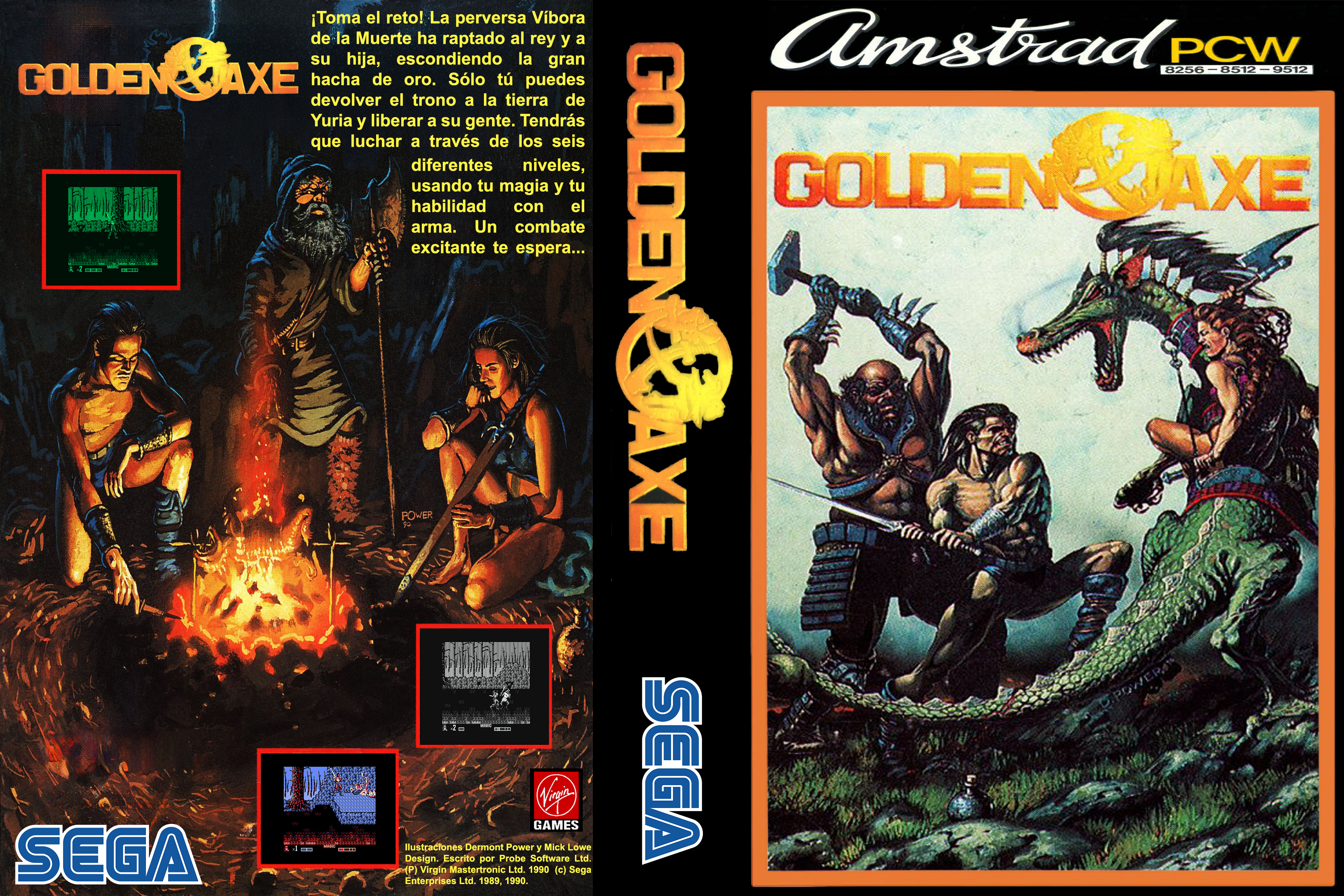
Box Art
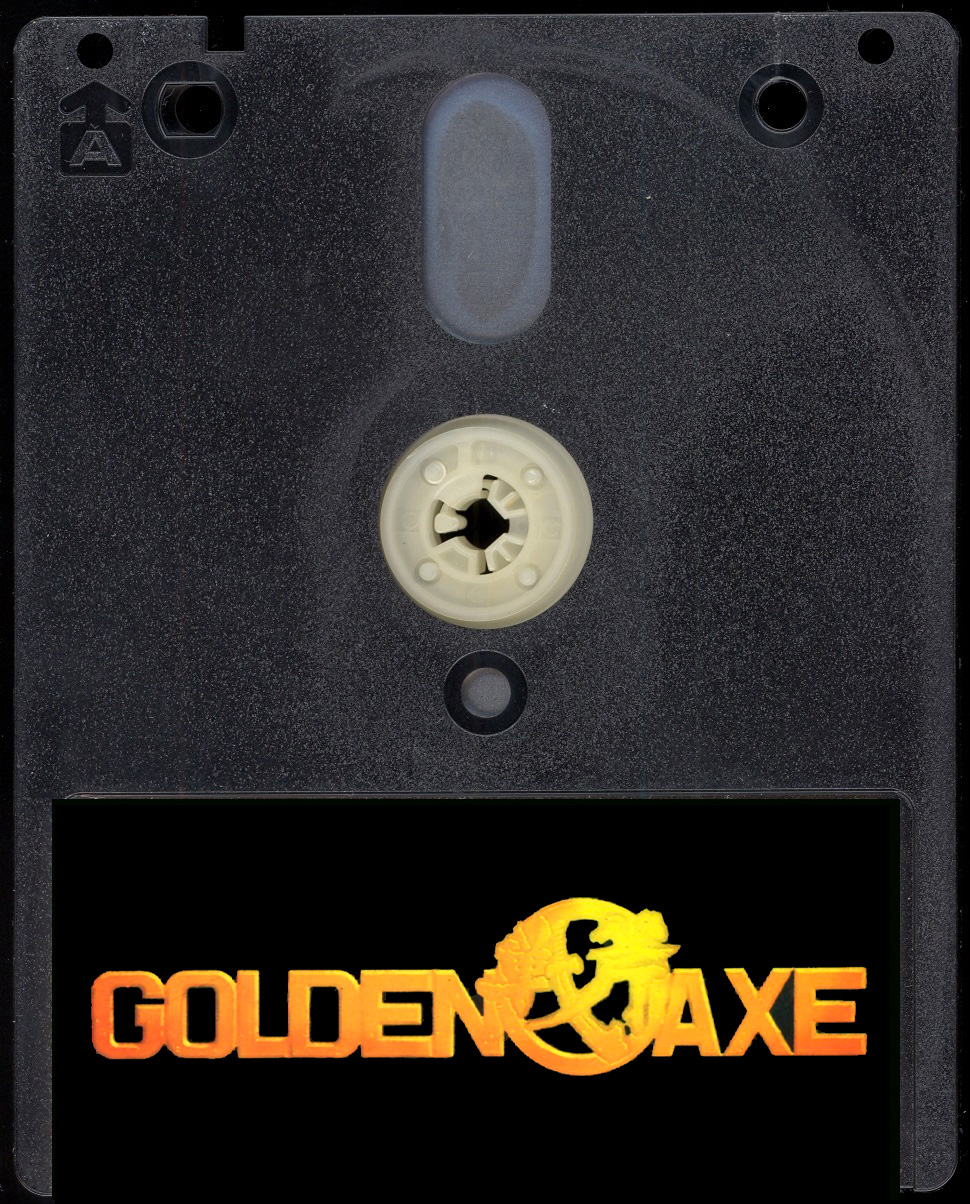
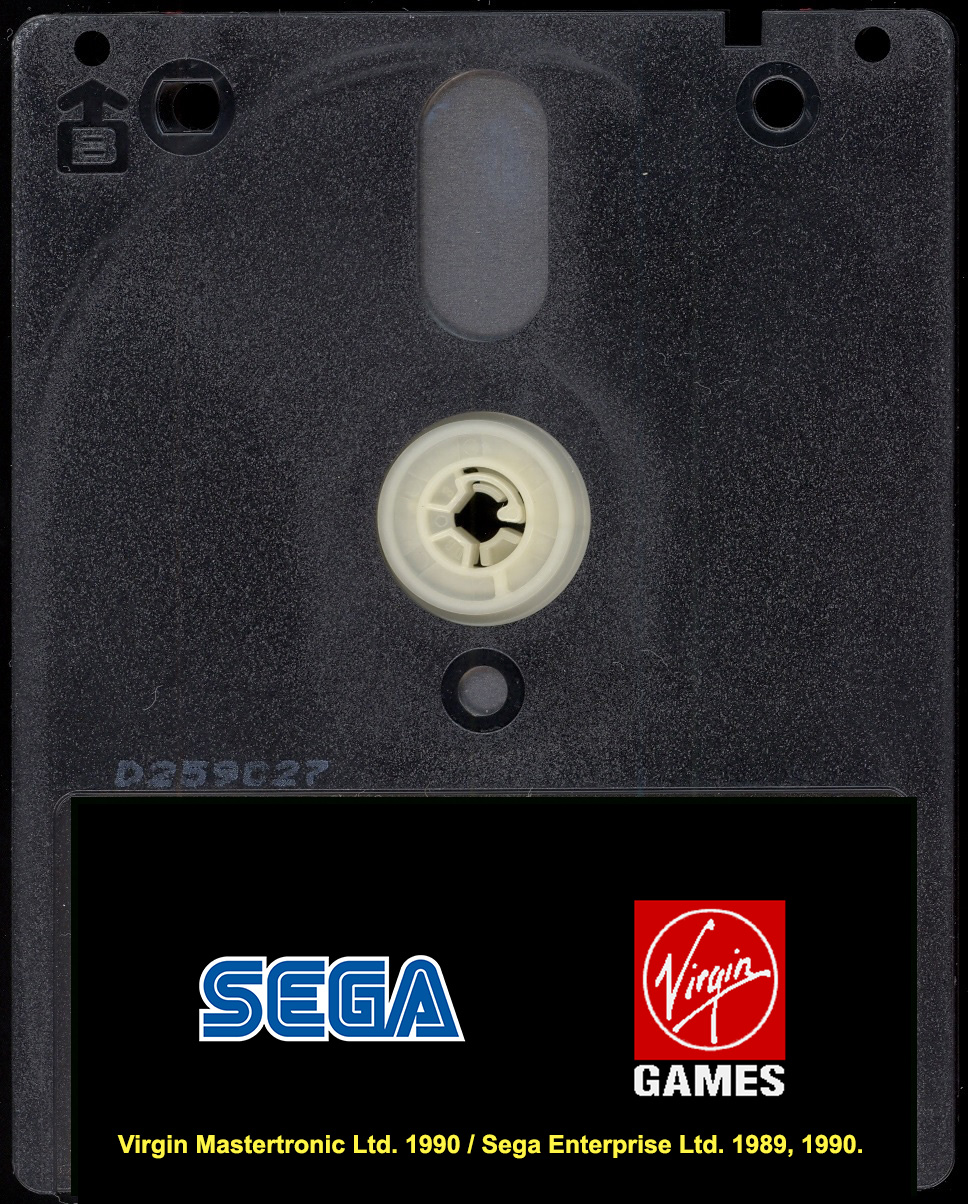
Disks

Disk Labels
Standardized sizing framework for Amstrad 3-inch floppy diskettes: Height: 7.00 cm - Width: 7.10 cm.
Input Configuration and Keyboard Framework
Movement:Keyboard Cursors for axial grid mapping / Native support for Atari-standard Joysticks.
Physical Attack:Spacebar or Button 1 to slash or execute close-quarters judo throws.
Tactical Jump:Alt/M key or Button 2 to jump (vital to evade incoming chargers or trigger air strikes).
Cast Magic:Enter key to consume magic pots and unleash full-screen elemental magic graphics.
Advanced Strategies, Mechanics and Complete Cheat Guide
• Mathematical Character Selection: Each hero shifts the underlying difficulty algorithm. Gilius Thunderhead is highly recommended for beginners due to his excellent weapon range and fast block-recovery frames, though his rock magic caps out at a modest 4 pots. Tyris Flare has low physical defenses but her fire spells scale up to a devastating Level 6 dragon summon, capable of wipes on boss encounters. Ax Battler provides a balanced archetype with steady Level 4 ground magic arrays.
• Dash Spamming and Bizarros (Mounts): Charging attacks (double-tapping a direction key) represent the safest approach in the game; successful hits knock down any standard mob instantly. Capitalize on stolen mounts: Cockatrices (scorpion tails) keep armor-clad knights at bay, while Fire Dragons let you poke targets from safe screen-buffer distances.
• Bonus Phase Management: During nocturnal campfire intervals, small thieves will raid your stash. Avoid frantic button mashing; delay your strikes to force them into dropping maximum item yields, splitting magic pots and healing meat items evenly. Entering subsequent stages with optimized spell meters is paramount.
• HISTORICAL CHEAT COMPENDIUM (Completion Guide):
- Port Stage Select: On the main title prompt, hold down the keys P - C - W simultaneously before hitting the start trigger; a numerical sub-routine counter will reveal itself to pick your insertion phase.
- God Mode (Infinite Vitality Blocks): While the Sega/Virgin intro screen is caching, quickly execute the classic direction string:
- Extra Credits Override (Sega/Master System Legacy Leak): When the "Game Over" layout prompt displays, hold down
• Dash Spamming and Bizarros (Mounts): Charging attacks (double-tapping a direction key) represent the safest approach in the game; successful hits knock down any standard mob instantly. Capitalize on stolen mounts: Cockatrices (scorpion tails) keep armor-clad knights at bay, while Fire Dragons let you poke targets from safe screen-buffer distances.
• Bonus Phase Management: During nocturnal campfire intervals, small thieves will raid your stash. Avoid frantic button mashing; delay your strikes to force them into dropping maximum item yields, splitting magic pots and healing meat items evenly. Entering subsequent stages with optimized spell meters is paramount.
• HISTORICAL CHEAT COMPENDIUM (Completion Guide):
- Port Stage Select: On the main title prompt, hold down the keys P - C - W simultaneously before hitting the start trigger; a numerical sub-routine counter will reveal itself to pick your insertion phase.
- God Mode (Infinite Vitality Blocks): While the Sega/Virgin intro screen is caching, quickly execute the classic direction string:
Up, Down, Left, Right followed by the Spacebar. A green color flash confirms total invulnerability.- Extra Credits Override (Sega/Master System Legacy Leak): When the "Game Over" layout prompt displays, hold down
Down-Left on your cursor array along with the primary attack trigger. This compels the Z80 execution matrix to grant up to 9 bonus continues for full completion walkthroughs.
Extras
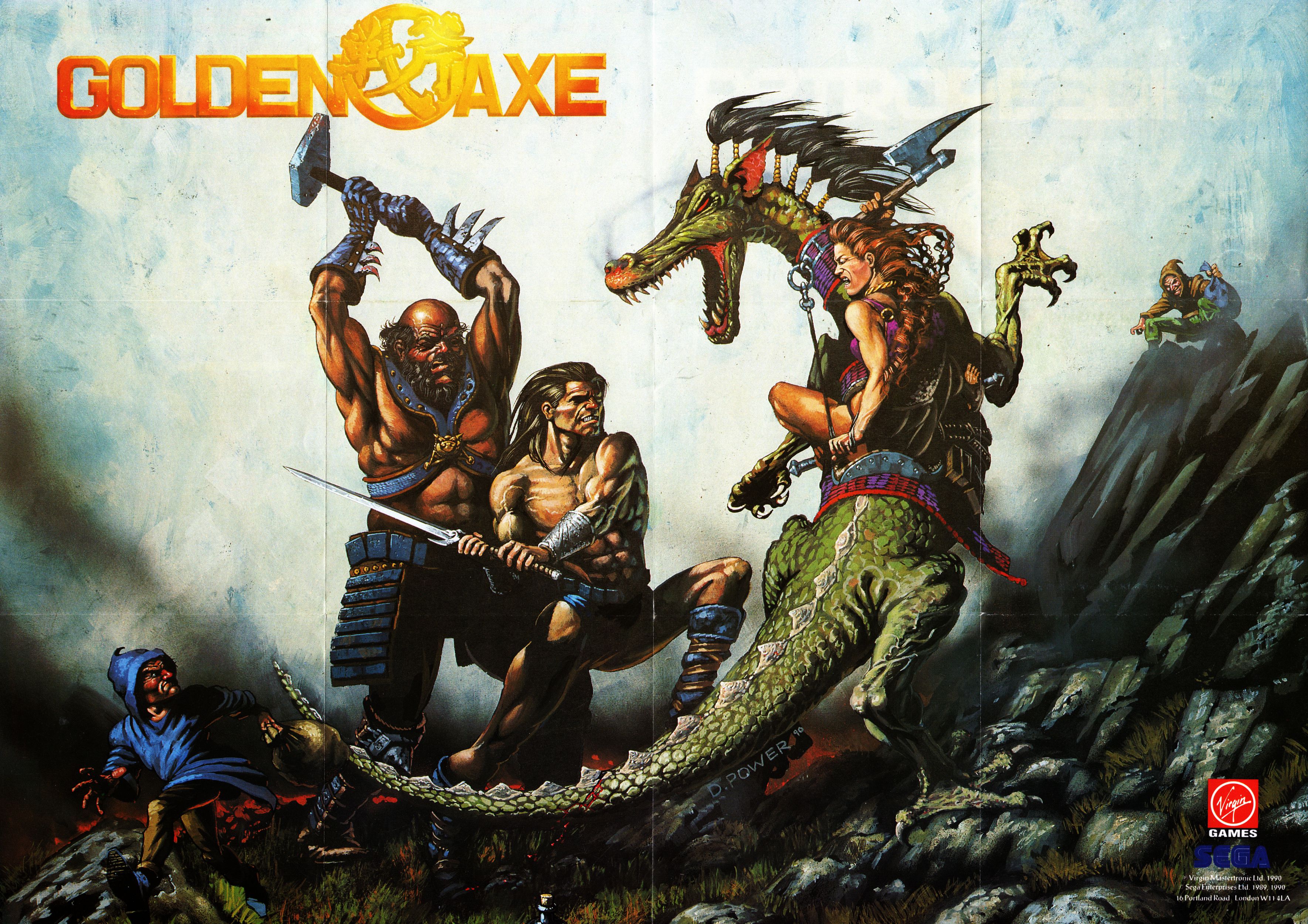
Historical Preservation Poster
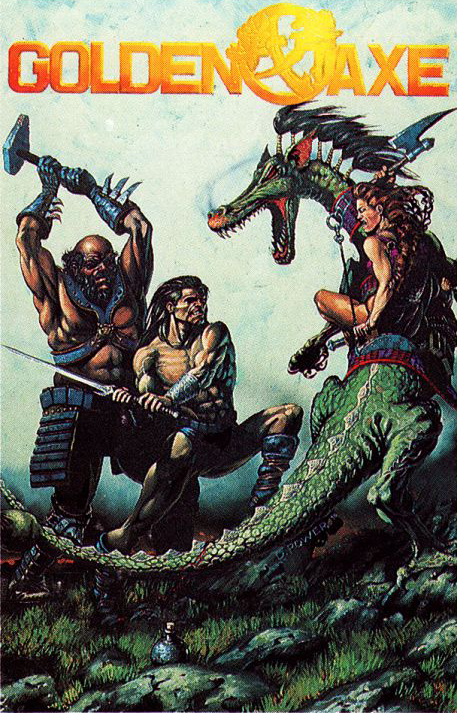
The legendary hero-fantasy artwork included inside the classic European Virgin Games and SEGA publishing folders, preserved in high definition.
Downloads Available
Game File
Manuals
Videos
en/software/nuevos_desarrollos/goldenaze.1788256711.txt.gz · Última modificación: por jesus