
en:software:nuevos_desarrollos:hero_quest
HEROQUEST
TECHNICAL SPECIFICATIONS

Developer:Gremlin Graphics
Publisher:Gremlin Graphics
Production Team:Original Programming: The Rowlands Brothers (Nick & Chris Rowlands)
Original Music: Barry Leitch
Original Music: Barry Leitch
Ported by:HabiSoft (https://habisoft.com)
Release Year:1991 (Original)
Port Year:2016
Compatibility:Amstrad PCW 8256 - PCW 8512 - PCW 9256 - PCW 9512
Peripherals:Keyboard / Joystick (Dk'Tronics)
Boot Type:Autoboot
Genre:Role-Playing / Isometric Strategy / Board Game
Language:Spanish
Screenshots
 |
 |
 |
 |
 |
 |
 |
 |
Description
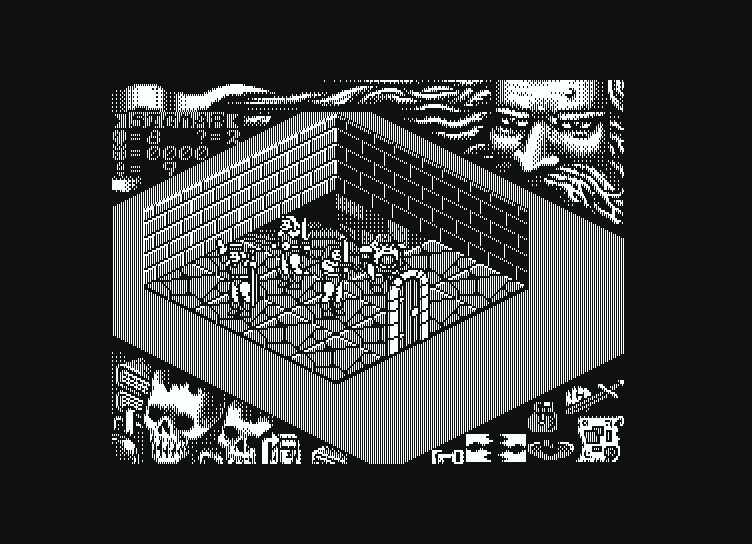
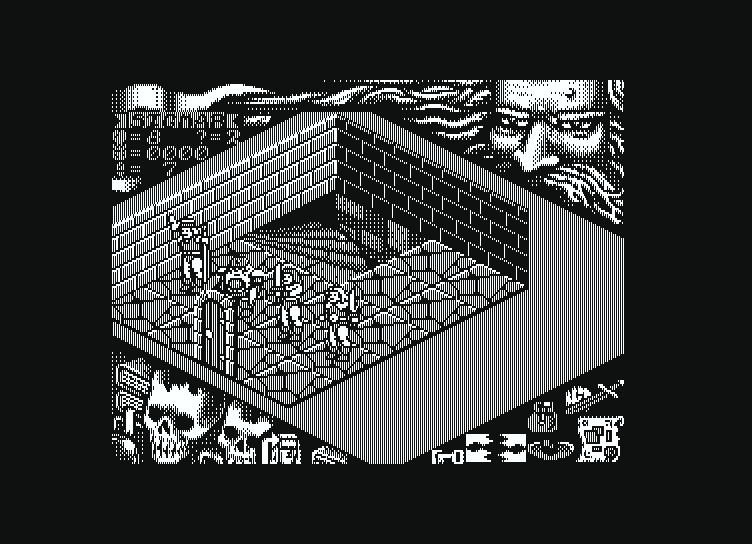
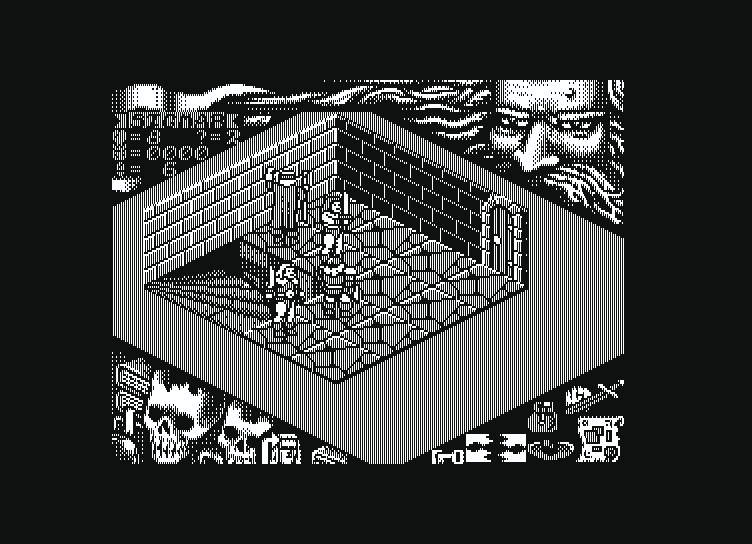
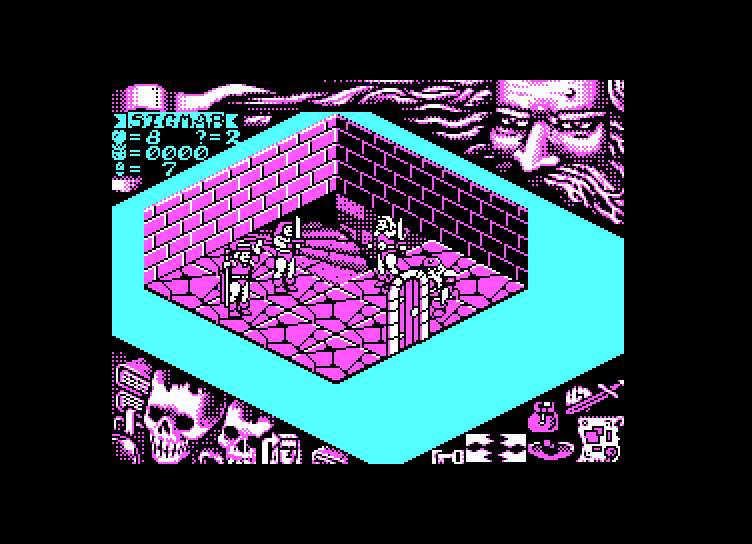
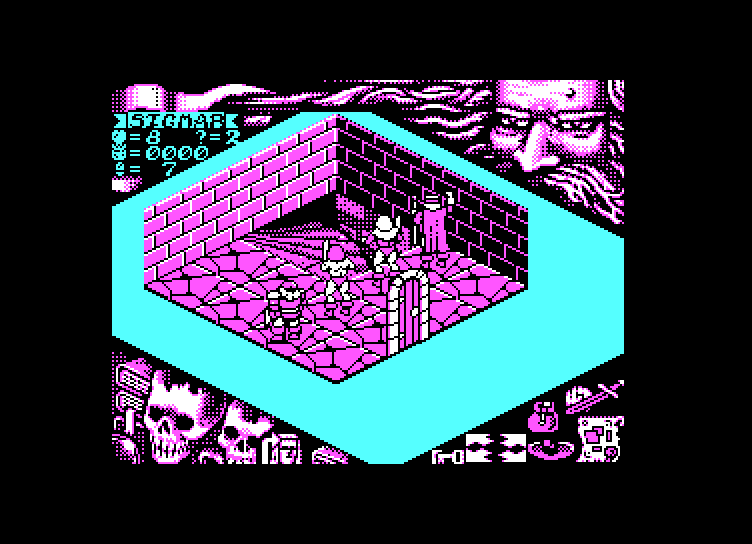
HeroQuest is the definitive official computer adaptation of the legendary dungeon board game designed by Milton Bradley and Games Workshop. Originally published by Gremlin Graphics in 1991, the title became an instant classic on 8-bit systems due to its superb isometric three-dimensional recreation of scenarios, quests, and hero miniatures (the Barbarian, the Dwarf, the Elf, and the Wizard). The fidelity with which the game replicated the tactical role-playing atmosphere, combat dice, and hidden exploration through underground corridors marked an era.
This spectacular native version for the Amstrad PCW range was developed in 2016 by the tireless preservationist HabiSoft. Technically, it is a portentous conversion effort carried out from the Amstrad CPC source code. Interestingly, the original commercial version for CPC suffered from severe optimization issues: the original developers at Gremlin (the Rowlands brothers) reused the isometric three-dimensional routines created for the ZX Spectrum color spectrum, causing extreme slowdowns when processing and dumping graphic buffers onto CPC screens. HabiSoft completely restructured and patched this bottleneck in Z80 machine code.
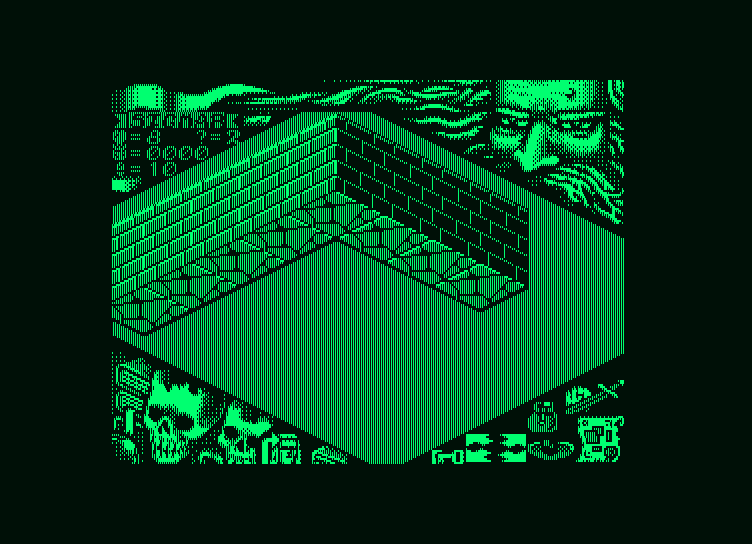
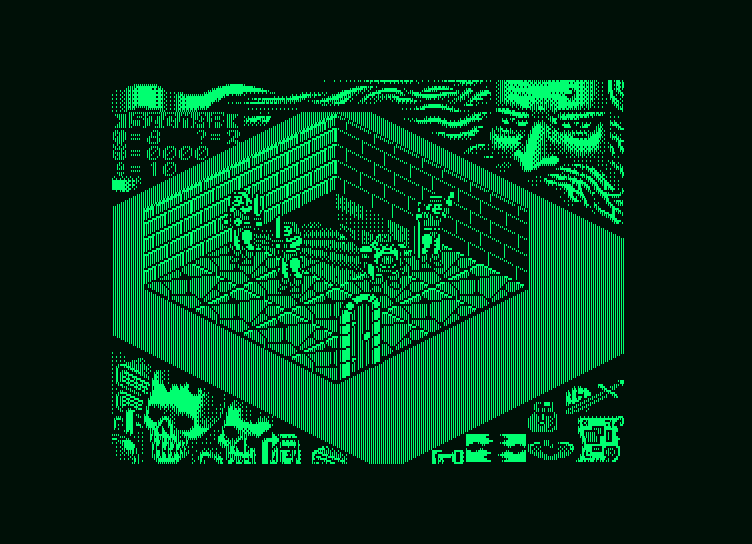
By optimizing the rendering algorithms, HabiSoft achieved a very unusual feat in the retro scene: the Amstrad PCW version of HeroQuest runs significantly faster, smoother, and more efficiently than on the original Amstrad CPC. The entire interface for inventory, compass, and searching for treasures, traps, or secret doors has been redesigned to look crisp on classic green phosphor monitors. The port also includes full sound support adapted for the Dk'Tronics musical interface and immediate compatibility with its joystick. A milestone in software engineering that does justice to one of the best board games in history.
This spectacular native version for the Amstrad PCW range was developed in 2016 by the tireless preservationist HabiSoft. Technically, it is a portentous conversion effort carried out from the Amstrad CPC source code. Interestingly, the original commercial version for CPC suffered from severe optimization issues: the original developers at Gremlin (the Rowlands brothers) reused the isometric three-dimensional routines created for the ZX Spectrum color spectrum, causing extreme slowdowns when processing and dumping graphic buffers onto CPC screens. HabiSoft completely restructured and patched this bottleneck in Z80 machine code.
By optimizing the rendering algorithms, HabiSoft achieved a very unusual feat in the retro scene: the Amstrad PCW version of HeroQuest runs significantly faster, smoother, and more efficiently than on the original Amstrad CPC. The entire interface for inventory, compass, and searching for treasures, traps, or secret doors has been redesigned to look crisp on classic green phosphor monitors. The port also includes full sound support adapted for the Dk'Tronics musical interface and immediate compatibility with its joystick. A milestone in software engineering that does justice to one of the best board games in history.
Cover Art
Disks

Labels
Standardized dimensions for Amstrad 3-inch floppy disks: Height: 7.00 cm - Width: 7.10 cm.
Extras
Historical Preservation Poster
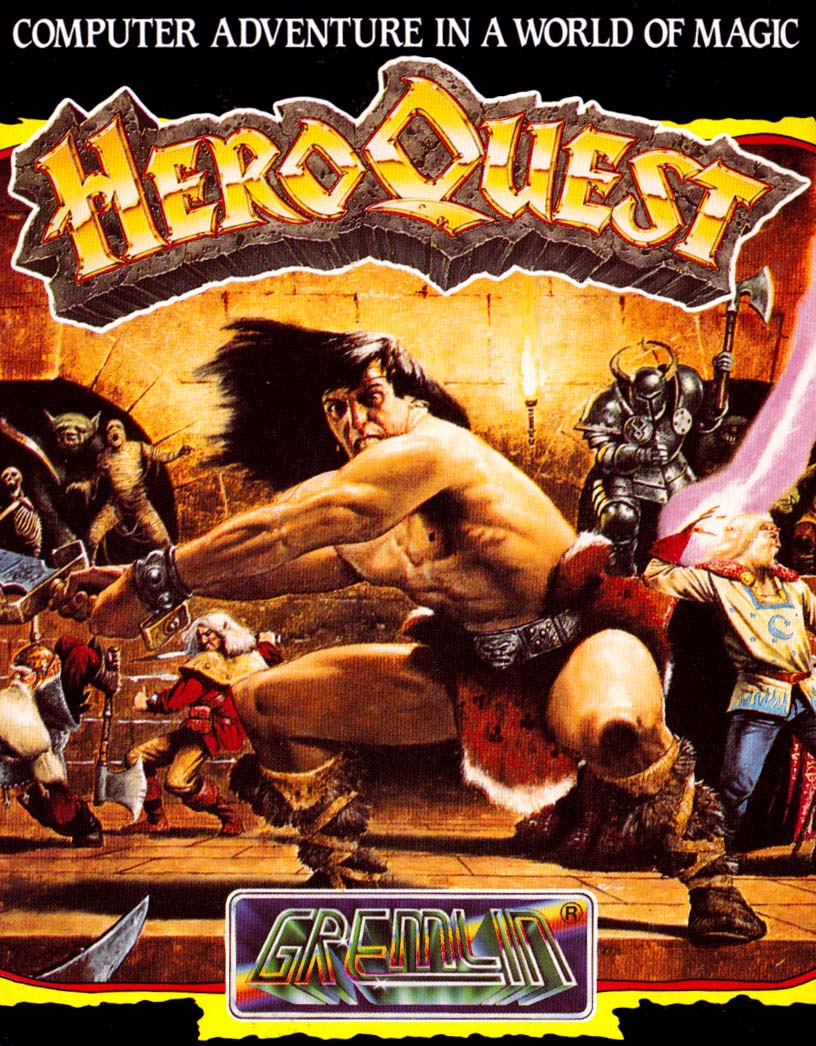
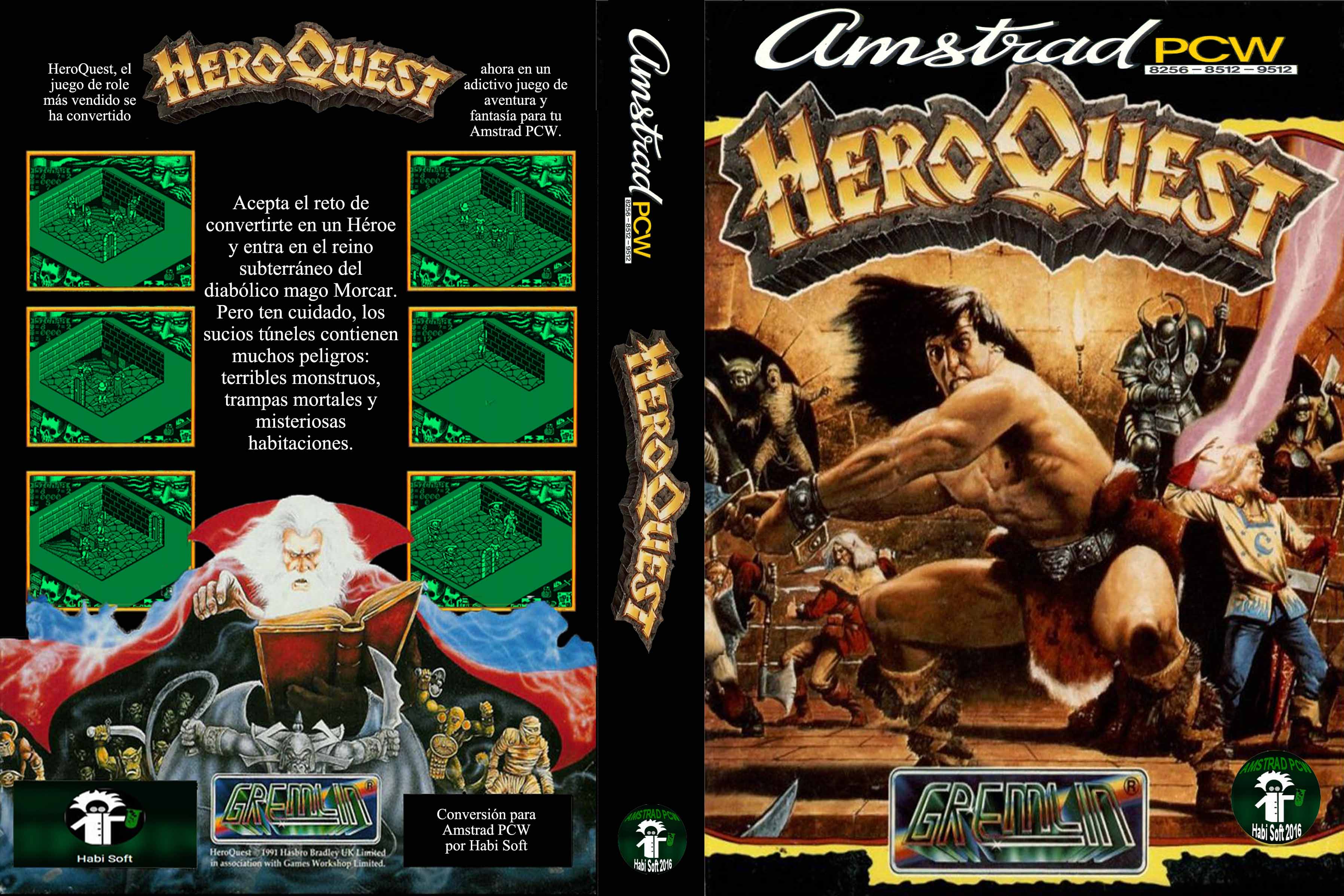
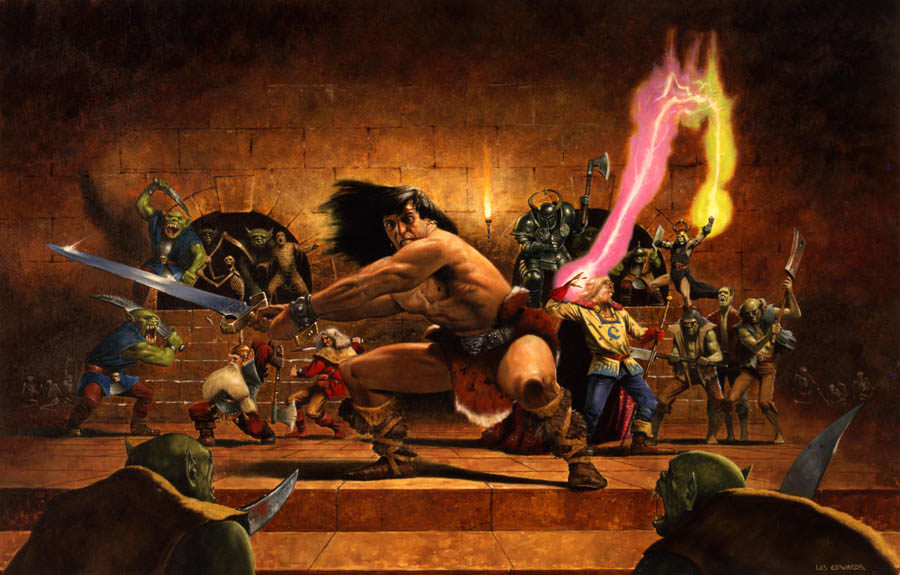
The original artwork that illustrated the box cover and the printed promotional material from Gremlin Graphics is attached, digitalized at high resolution for database safeguarding. Click on the thumbnail to expand it in the integrated viewer.
Map
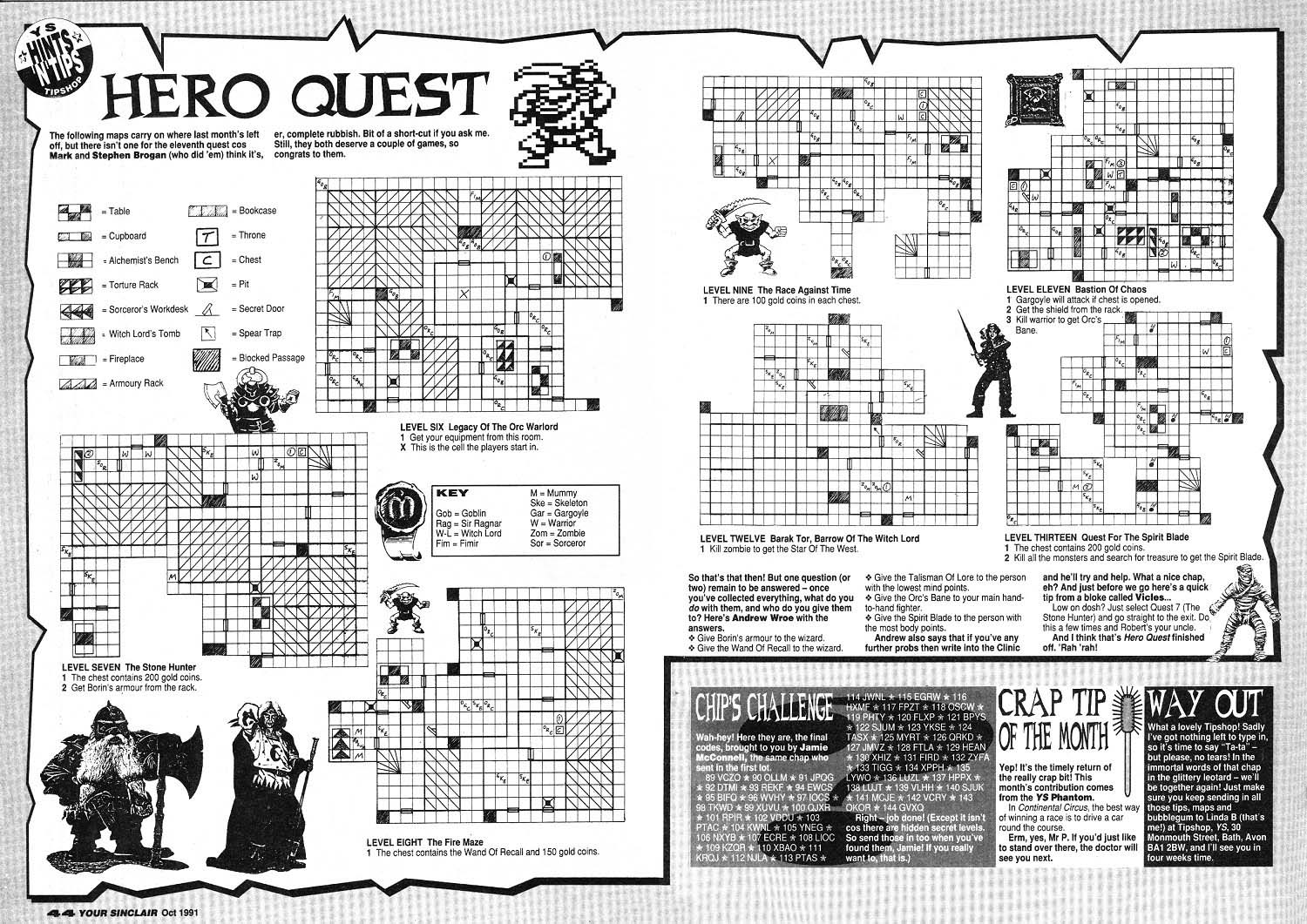
The complete tactical layout of the game board is included, essential for planning exploration paths and anticipating the strategic positioning of the dungeon rooms.
Control Settings and Redefinable Keyboard
Direction / Cursor:Move the tactical pointer across the board squares using the Keyboard Arrows / Support for Dk'Tronics Joystick.
Selection / Action:Spacebar or Joystick Fire Button to interact with menus and action icons.
Pause Shortcut:P key to halt game logic during turns.
Quick Menu:Immediate access via visual icons to character sheets (Status, Gold, Weapons, and Spells).
Strategies, Board Rules, and Dungeon Mechanics
• Party Management: Each of the four characters has a mathematical and critical role in the expedition. The Barbarian excels in raw offensive strength (ideal for clearing corridors guarded by Orcs), the Dwarf possesses the innate ability to disarm traps without tools, the Elf balances physical agility with minor spells, and the Wizard commands the most destructive arsenal of elemental spells in exchange for alarming fragility in close-quarters combat.
• Systematic Search for Traps and Secrets: Advancing blindly through rooms is a direct ticket to defeat. Before moving your characters into an unexplored area, it is mandatory to execute the "Search for Traps" and "Search for Secret Doors" actions from the isometric menu. The game engine will read adjacent squares and reveal hidden hazards before irreversible body point damage is sustained.
• Combat Dice and Shields Mechanics: Encounters against Morcar's hordes are governed by a randomized system that emulates the official board game dice. When attacking, you need to roll skull symbols to inflict damage. The defender (whether hero or monster) will automatically roll their shield dice: white shields save adventurers, while black shields defend creatures of Chaos.
• Inventory and Spell Administration: Mind and body points dictate the survival of your heroes. Make sure to loot chests by executing the "Search for Treasure" action, but beware, as the game's logical engine can trigger event cards that summon wandering monsters into your very room. Distribute accumulated gold between quests to purchase plate armors and broadswords in the integrated shop.
• Systematic Search for Traps and Secrets: Advancing blindly through rooms is a direct ticket to defeat. Before moving your characters into an unexplored area, it is mandatory to execute the "Search for Traps" and "Search for Secret Doors" actions from the isometric menu. The game engine will read adjacent squares and reveal hidden hazards before irreversible body point damage is sustained.
• Combat Dice and Shields Mechanics: Encounters against Morcar's hordes are governed by a randomized system that emulates the official board game dice. When attacking, you need to roll skull symbols to inflict damage. The defender (whether hero or monster) will automatically roll their shield dice: white shields save adventurers, while black shields defend creatures of Chaos.
• Inventory and Spell Administration: Mind and body points dictate the survival of your heroes. Make sure to loot chests by executing the "Search for Treasure" action, but beware, as the game's logical engine can trigger event cards that summon wandering monsters into your very room. Distribute accumulated gold between quests to purchase plate armors and broadswords in the integrated shop.
Available Downloads
⬇ HeroQuest
Compatible Amstrad disk image (.ZIP)
📄 Rulebook
Original scanned edition at 300 dpi (PDF)
Videos
en/software/nuevos_desarrollos/hero_quest.txt · Última modificación: por jesus