
en:software:nuevos_desarrollos:phantis
PHANTIS

TECHNICAL DATA

Company:Dinamic Software
Publisher:Dinamic Software
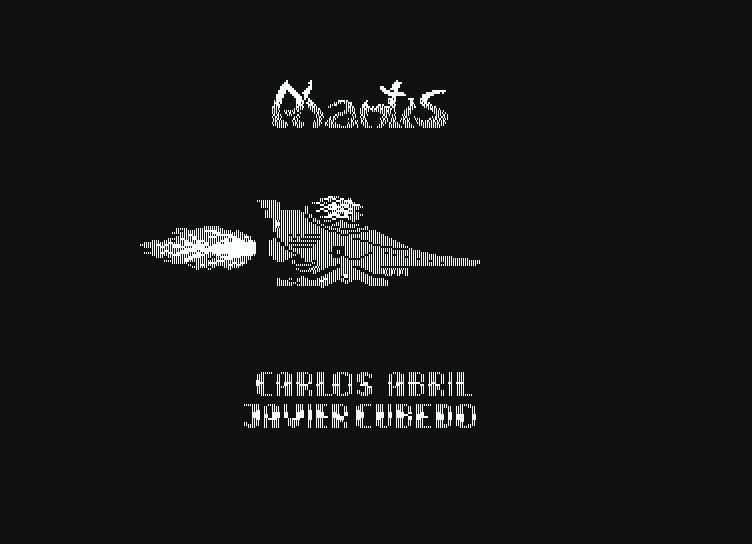
Production Team:Original Design: Carlos Abril & Javier Cubedo
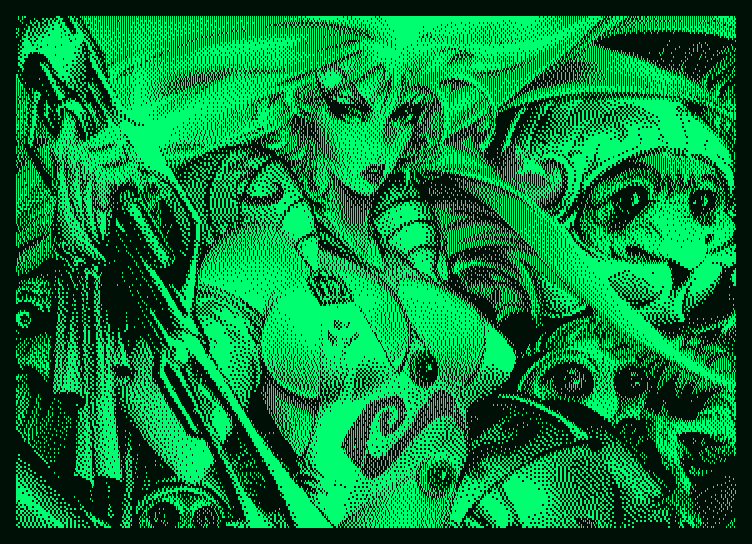
Cover Illustration: Alfonso Azpiri
Cover Illustration: Alfonso Azpiri
Ported by:Enrique G. Gálvez (https://itch.io)
Release Year:1987 (Original)
Port Year:2025
Compatibility:Amstrad PCW 8256 / 8512 / 9512 & PCW Plus
Peripherals:Redefinable Keyboard / DK'Tronics Joystick
Boot Type:Autoboot (Integrated CP/M)
Genre:Arcade / Shoot 'em up / Platform Video-Adventure
Language:Spanish
Screenshots
 |
 |
 |
 |
 |
 |
 |
 |
Description
The unforgettable classic Phantis, originally developed in Spain in 1987 by Carlos Abril and Javier Cubedo under the golden seal of Dinamic Software, achieves a spectacular new native dimension on Amstrad PCW and PCW Plus systems. This outstanding conversion by scene programmer Enrique G. Gálvez rescues a historical masterpiece previously missing from the machine's official catalog. The software has been completely rewritten with intensive digital craftsmanship for the Z80 processor, squeezing out the hidden graphic capabilities and audio expansions of the Amstrad computing ecosystem.
The adventure puts us in the shoes of a bold space commander who must undertake a hazardous rescue raid on the inhospitable planet Phantis, a world besieged by fierce bio-organisms and hostile mechanized fortifications. Following Dinamic's classic "2-in-1" structural framework, the challenge is split into two completely distinct phases in terms of mechanics and environments. Part One is a fast-paced side-scrolling shoot 'em up where we pilot a galactic assault fighter and ride a swift alien creature ("Adrec"), dodging firewalls, meteorites, and plasma turrets in a desperate flight toward the planet's surface.
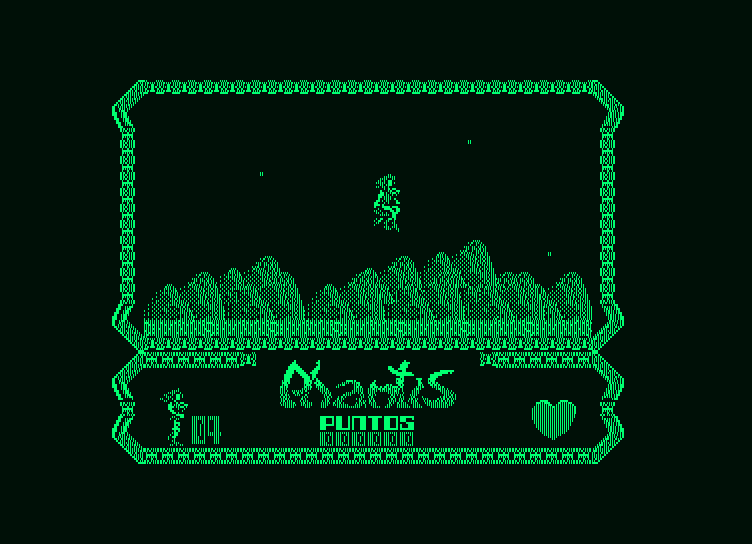
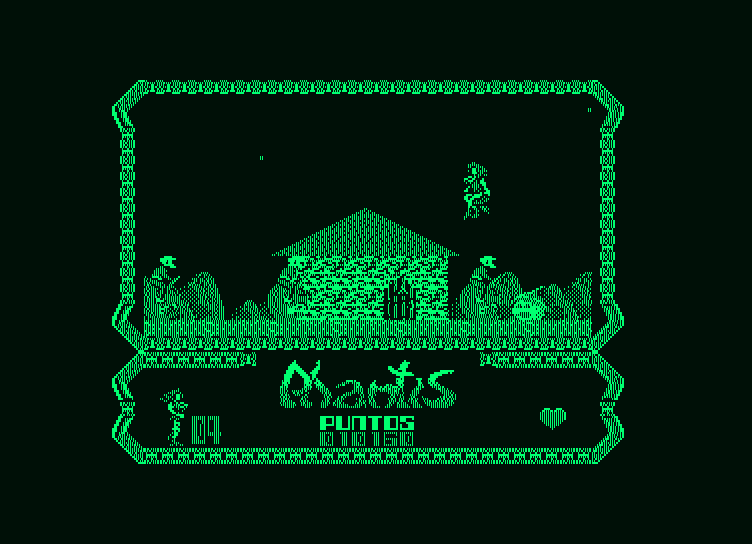
Part Two drastically transforms the game into a challenging, non-linear action and platforming video-adventure. Once inside the subterranean complex of Phantis, we advance on foot through a labyrinth of caverns guarded by hydraulic guillotines, lava monsters, and automated security systems. The commander must collect logic items, deactivate hydraulic locks, and demonstrate pixel-perfect jumping precision to infiltrate the prison core and rescue her captive companion before his vital energy is completely drained.
Enrique G. Gálvez's port delivers an unprecedented technical achievement by unifying both phases onto a single speed-optimized autoboot diskette. Furthermore, it introduces visual flexibility to the platform for the first time through three dynamic graphic modes integrated directly into the machine code, doing historical justice to Alfonso Azpiri's iconic artwork with breathtaking technical fluidity.
The adventure puts us in the shoes of a bold space commander who must undertake a hazardous rescue raid on the inhospitable planet Phantis, a world besieged by fierce bio-organisms and hostile mechanized fortifications. Following Dinamic's classic "2-in-1" structural framework, the challenge is split into two completely distinct phases in terms of mechanics and environments. Part One is a fast-paced side-scrolling shoot 'em up where we pilot a galactic assault fighter and ride a swift alien creature ("Adrec"), dodging firewalls, meteorites, and plasma turrets in a desperate flight toward the planet's surface.
Part Two drastically transforms the game into a challenging, non-linear action and platforming video-adventure. Once inside the subterranean complex of Phantis, we advance on foot through a labyrinth of caverns guarded by hydraulic guillotines, lava monsters, and automated security systems. The commander must collect logic items, deactivate hydraulic locks, and demonstrate pixel-perfect jumping precision to infiltrate the prison core and rescue her captive companion before his vital energy is completely drained.
Enrique G. Gálvez's port delivers an unprecedented technical achievement by unifying both phases onto a single speed-optimized autoboot diskette. Furthermore, it introduces visual flexibility to the platform for the first time through three dynamic graphic modes integrated directly into the machine code, doing historical justice to Alfonso Azpiri's iconic artwork with breathtaking technical fluidity.
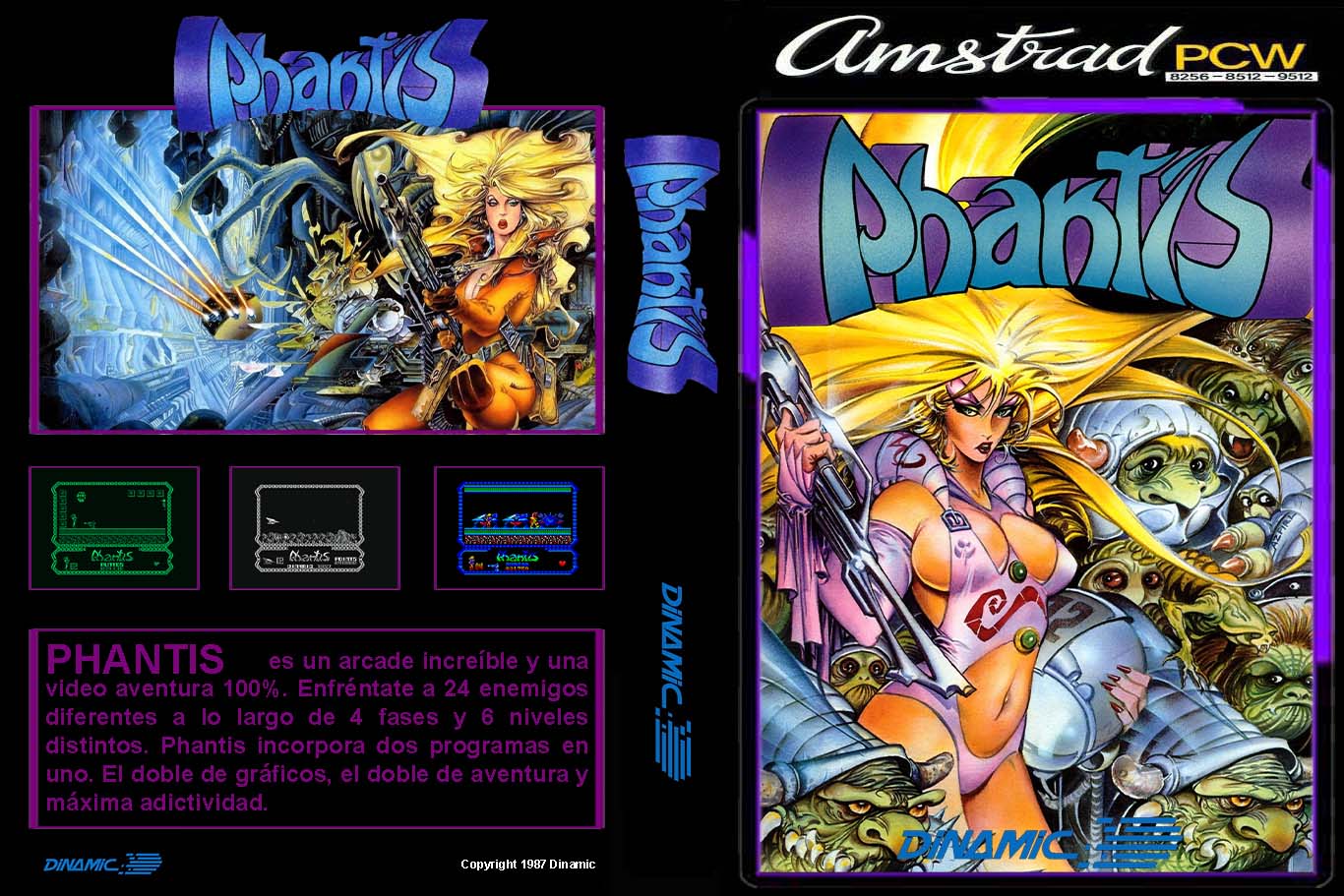
Cover
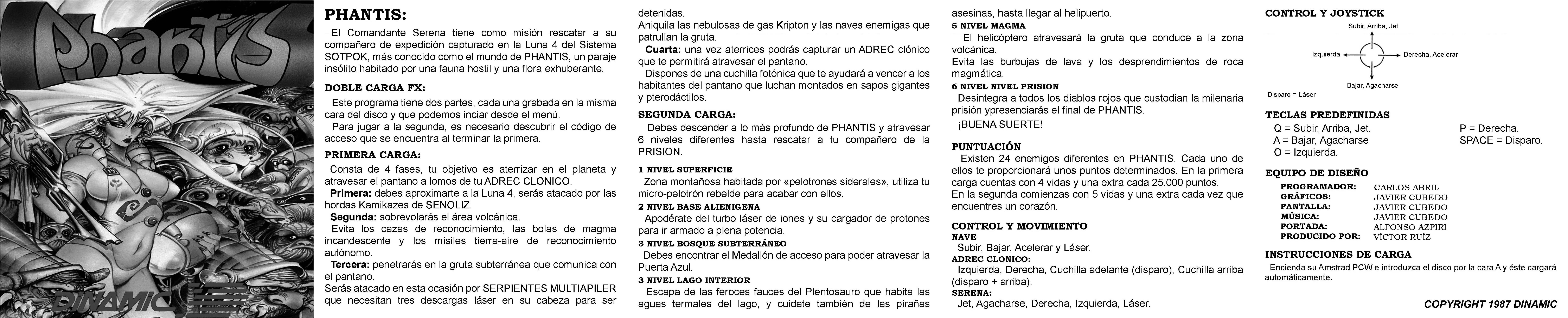
Manual
The official instruction manual cover and reference guide published by Dinamic, preserving the back-cover tactical layout and the space mission lore.
Disks
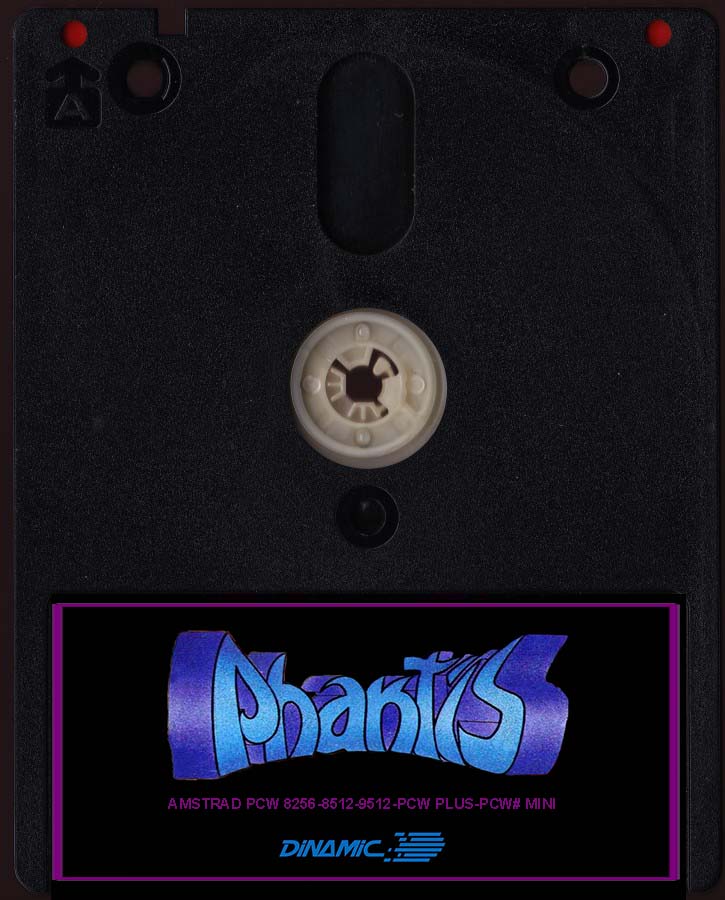
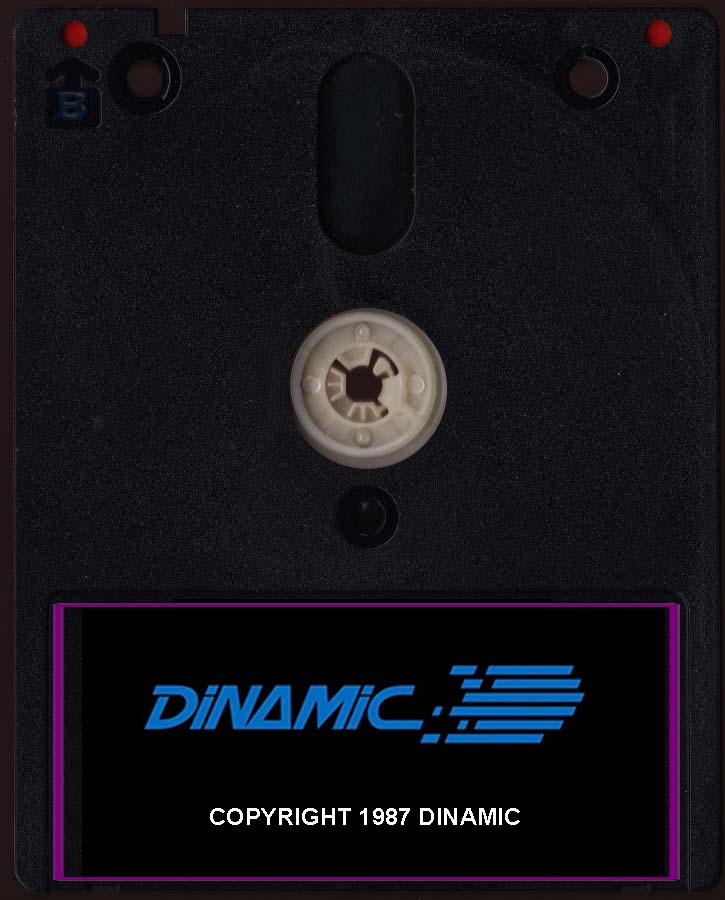

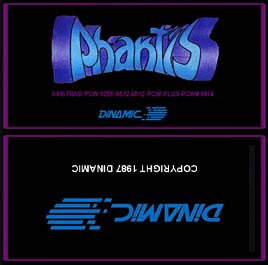
Disk Labels
Standard dimensions ready to print and fit on physical 3-inch Amstrad floppy diskette housings: Height: 7.00 cm - Width: 7.10 cm.
Extras
Configuration and Keyboard Options
Phantis features an integrated Redefinible Keyboard configuration menu accessible from the title's splash screen. This allows users to freely map any physical key on the Amstrad PCW to the five essential game actions, ensuring perfect compatibility with any mapping preference or emulation system.
Vertical Movement:Options for Up / Down (Configurable)
Horizontal Movement:Options for Left / Right (Configurable)
Weapon Action:Fire / Launch Onboard Armament (Configurable)
Typical Layout:Classic Q, A, O, P and SPACEBAR or the native PCW cursor keys
Tricks
Part 2 Access Code:84187 (Enter this passcode string to skip directly to the caverns phase)
Verified survival strategies and tactical recommendations from retro community forums:
• Fighter Stage (Part 1): Memorize the static spawn patterns of the enemy plasma turrets and maintain continuous firing lines. Keep your ship on the left side of the screen to secure maximum reaction time against incoming meteorites.
• Adrec Stage (Part 1): Carefully calculate your jumping arcs over the suspended platforms; the creature's momentum requires initiating your run-up a brief instant before reaching the lip of the lava chasm.
• Caverns Stage (Part 2): Do not rush through chambers containing hydraulic guillotines. Their dropping cycle is completely constant and demands precise synchronization; exploit the narrow safety nodes between hazards to pause.
• Energy Management: In the final cell block corridors, avoid unnecessary skirmishes with regenerating bio-organic drones and focus completely on clearing optimal paths to the captive companion before your vitality meter expires.
• Fighter Stage (Part 1): Memorize the static spawn patterns of the enemy plasma turrets and maintain continuous firing lines. Keep your ship on the left side of the screen to secure maximum reaction time against incoming meteorites.
• Adrec Stage (Part 1): Carefully calculate your jumping arcs over the suspended platforms; the creature's momentum requires initiating your run-up a brief instant before reaching the lip of the lava chasm.
• Caverns Stage (Part 2): Do not rush through chambers containing hydraulic guillotines. Their dropping cycle is completely constant and demands precise synchronization; exploit the narrow safety nodes between hazards to pause.
• Energy Management: In the final cell block corridors, avoid unnecessary skirmishes with regenerating bio-organic drones and focus completely on clearing optimal paths to the captive companion before your vitality meter expires.
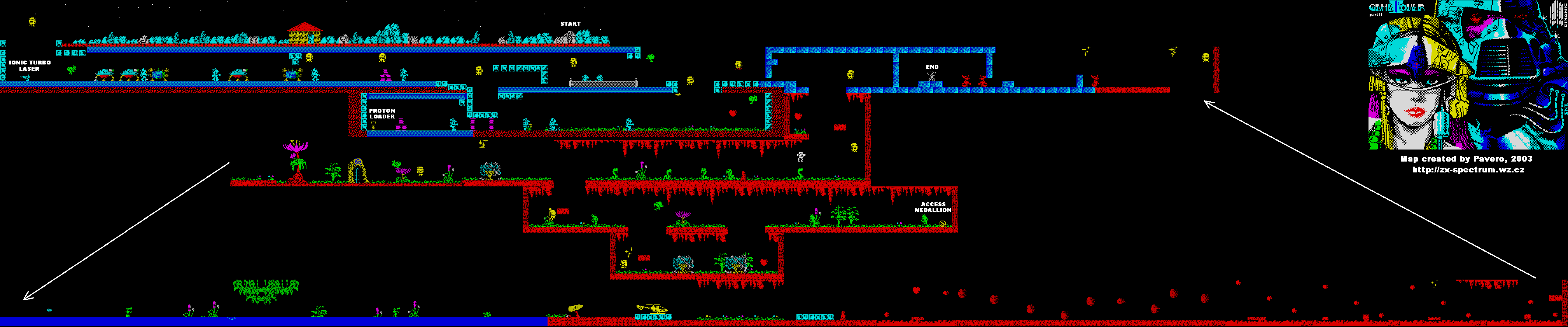
Structural Map of Phantis Caverns
Technical Notes on Enrique G. Gálvez's Port
• Critical Bug Fixing: Solved a severe memory leak in Part 1 that caused hard system crashes after playing several consecutive matches. Additionally, fixed a memory overflow related to loading the logical map engine in Part 2.
• Unification & Performance Optimization: Both parts of the original title have been heavily optimized for execution speed and compressed into pure machine code to fit efficiently inside a single 3-inch diskette image.
• 3 Integrated Display Graphic Modes:
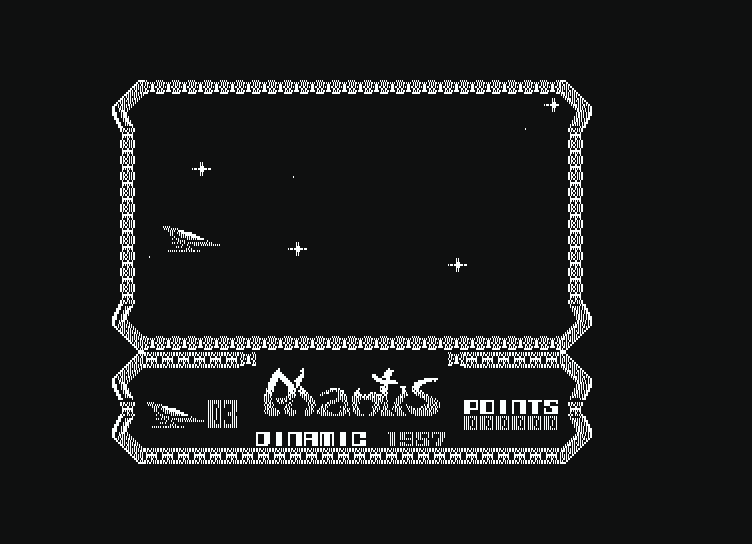
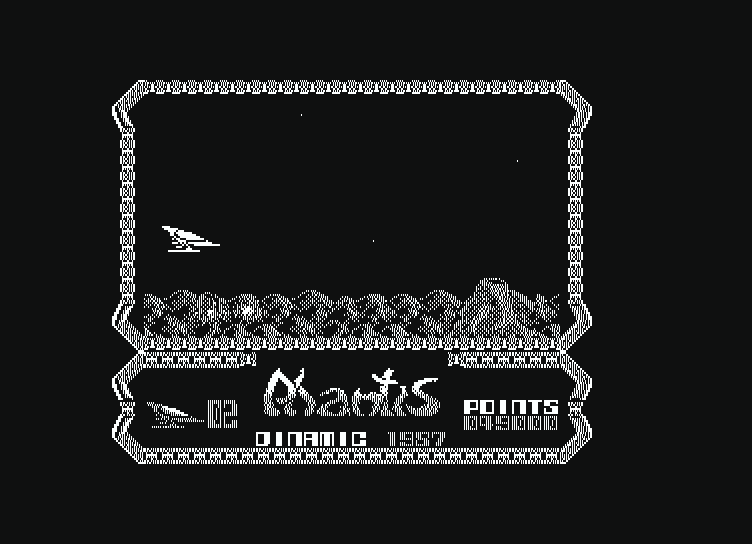
- Mode 0 (Standard Amstrad PCW): High-resolution 2-color rendering utilizing the native asset set from the original PC release.
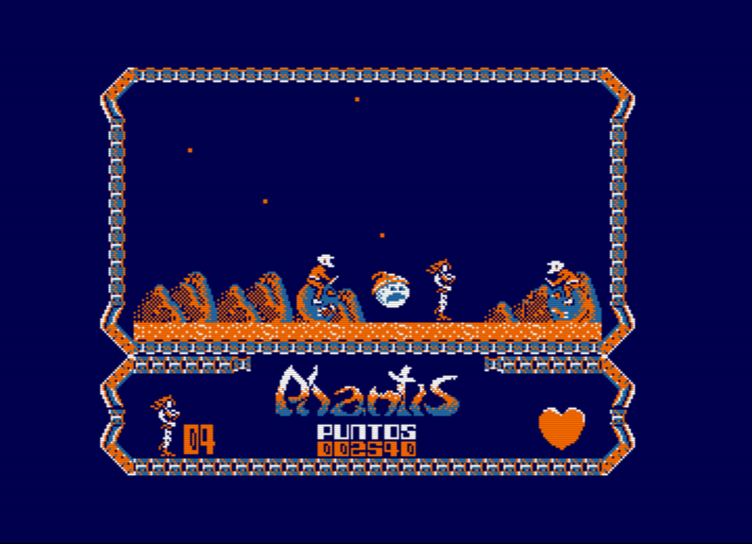
- Mode 1 (PCW Plus / PcW16): Advanced 4-color blended mode mirroring the classic PC structural graphics palette.
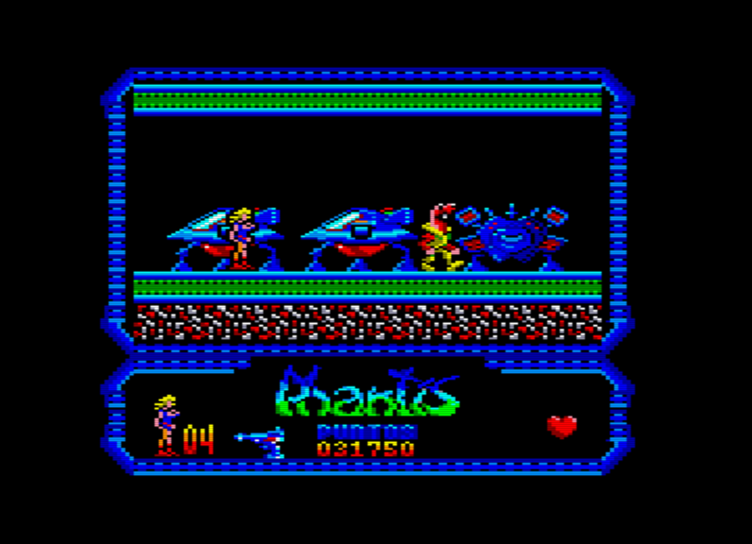
- Mode 2 (PCW Plus / PcW16): Extended 16-color display porting the iconic pixel-art graphics from the Amstrad CPC version.
• Hardware Audio Support: Full implementation of score melodies and FX sound channels compatible with the DK'Sound stereo audio expansion.
• Peripherals: Native digital and analog mapping support for hardware joystick rigs utilizing the classic DK'Tronics interface module.
• Unification & Performance Optimization: Both parts of the original title have been heavily optimized for execution speed and compressed into pure machine code to fit efficiently inside a single 3-inch diskette image.
• 3 Integrated Display Graphic Modes:
- Mode 0 (Standard Amstrad PCW): High-resolution 2-color rendering utilizing the native asset set from the original PC release.
- Mode 1 (PCW Plus / PcW16): Advanced 4-color blended mode mirroring the classic PC structural graphics palette.
- Mode 2 (PCW Plus / PcW16): Extended 16-color display porting the iconic pixel-art graphics from the Amstrad CPC version.
• Hardware Audio Support: Full implementation of score melodies and FX sound channels compatible with the DK'Sound stereo audio expansion.
• Peripherals: Native digital and analog mapping support for hardware joystick rigs utilizing the classic DK'Tronics interface module.
Official Promotional Poster

Official promotional artwork designed by Alfonso Azpiri for the 1987 Dinamic Software release. The composition perfectly captures the signature style of the author, rendering the ferocity of the planetary bio-fauna and the iconic sci-fi aesthetics of the Golden Age of Spanish Software.
Available Downloads
Compiled Game
Preserved Documentation
Videos
Visual walkthrough guides and full gameplay showcases showing the full playthrough across both structural phases composing Phantis under Enrique G. Gálvez's port.
Phantis - Part 1 (Amstrad PCW Gameplay)
Phantis - Part 2 (Amstrad PCW Gameplay)
en/software/nuevos_desarrollos/phantis.txt · Última modificación: por jesus